
Exhibitions
You are very welcome to visit our gallery in Eindhoven. Below you will find an overview of upcoming exhibitions.
Now & upcoming
Publication Open Call
Submit your book proposal through our Open Call all year around - next deadline 1 October 2026
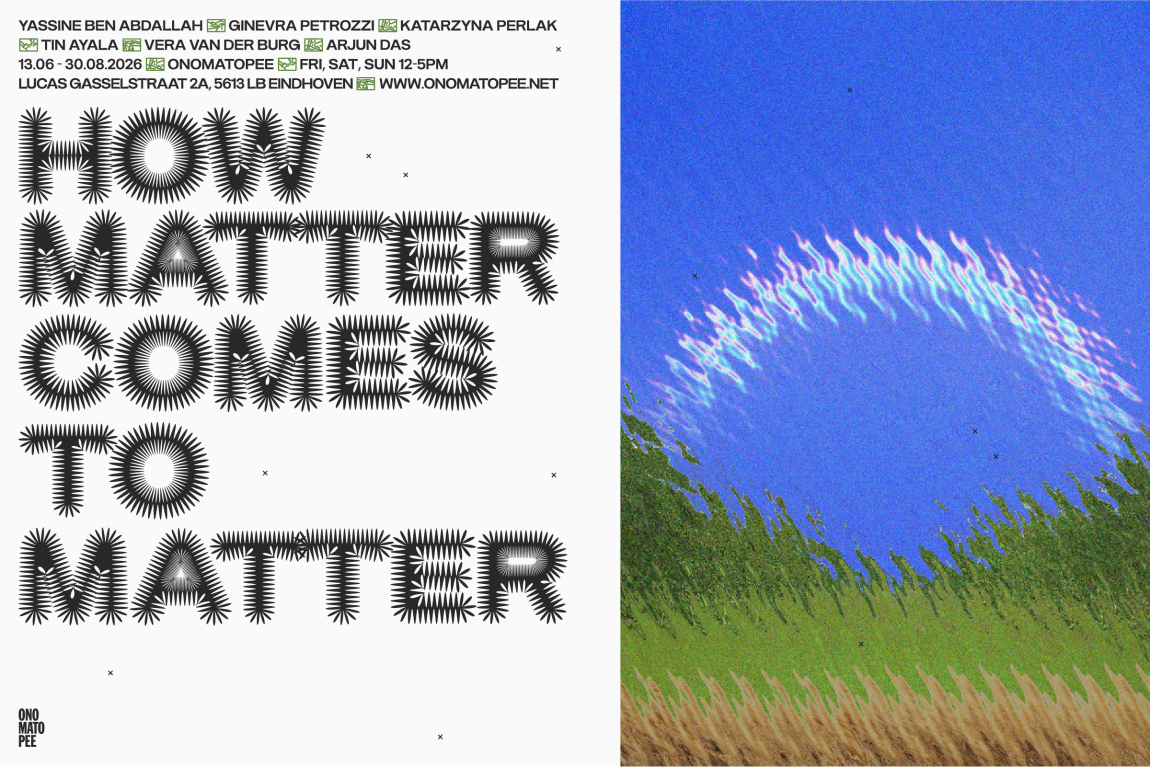
How matter comes to matter
Explores precarity as a shared condition of life and a generative ground for collaborative survival
Past exhibitions
Can I Hug All These Flowers?
Onomatopee is delighted to present the first two-person exhibition of Ala Younis and Ali Eyal
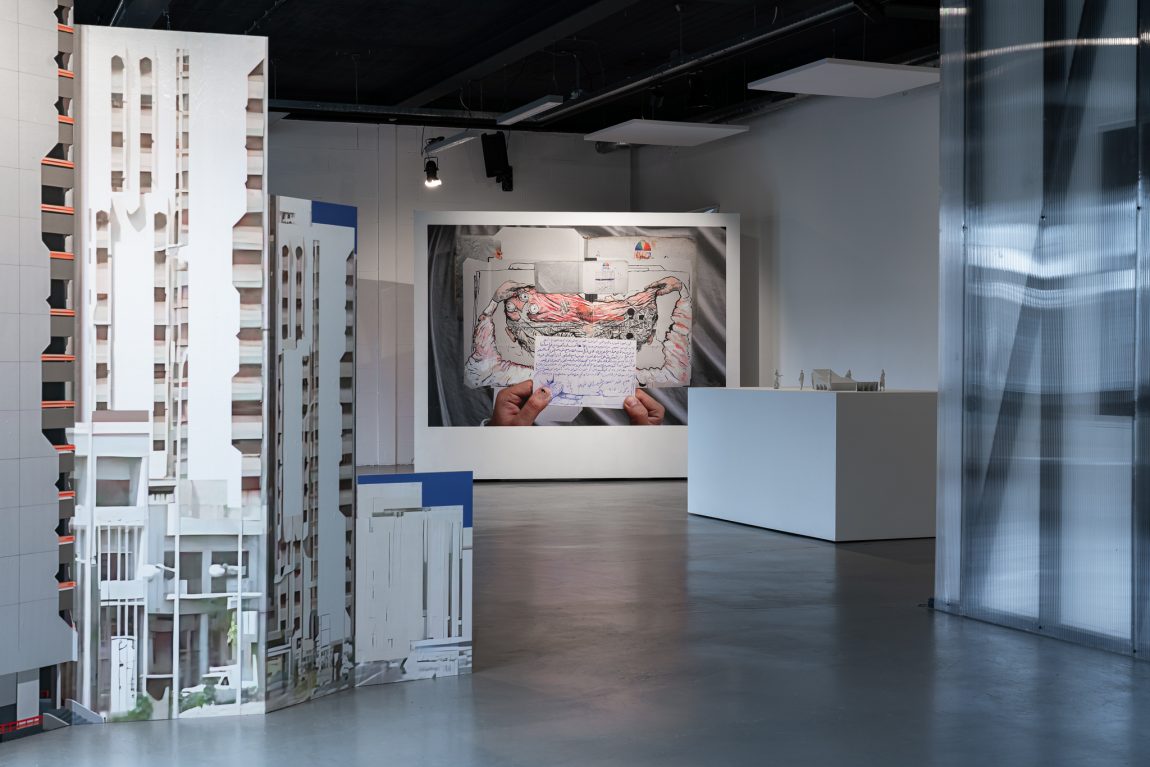
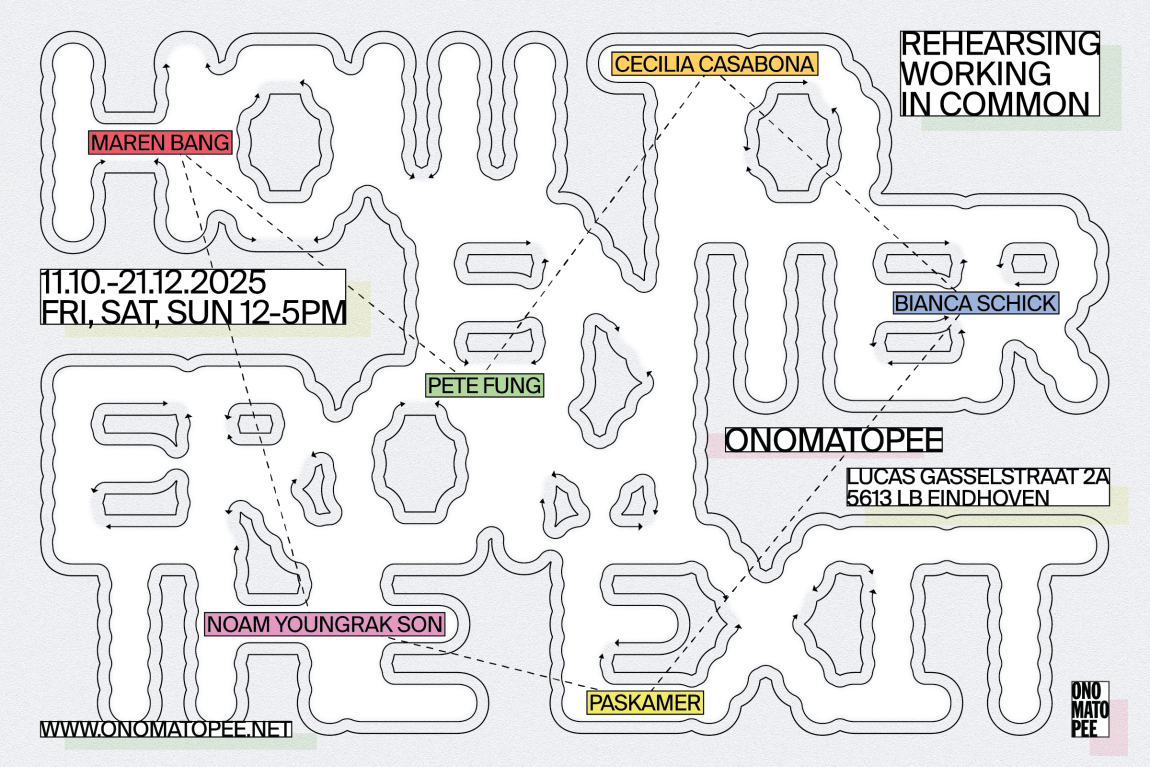
How to enter from the exit
A research-driven project reimagining cultural institutions through collaboration
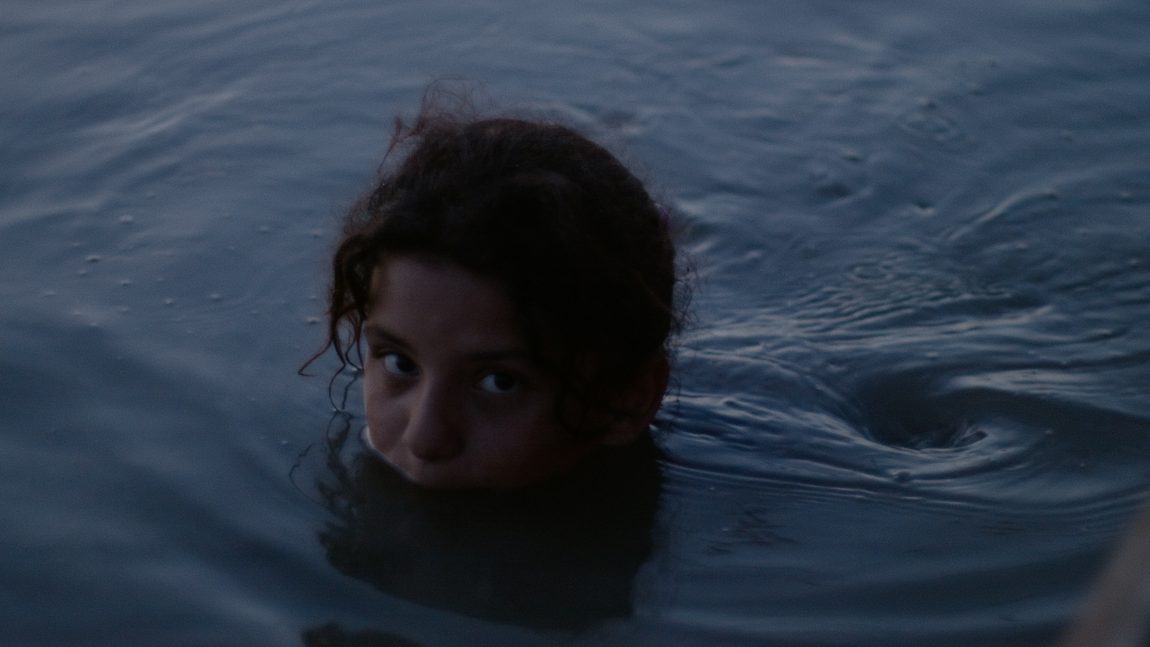
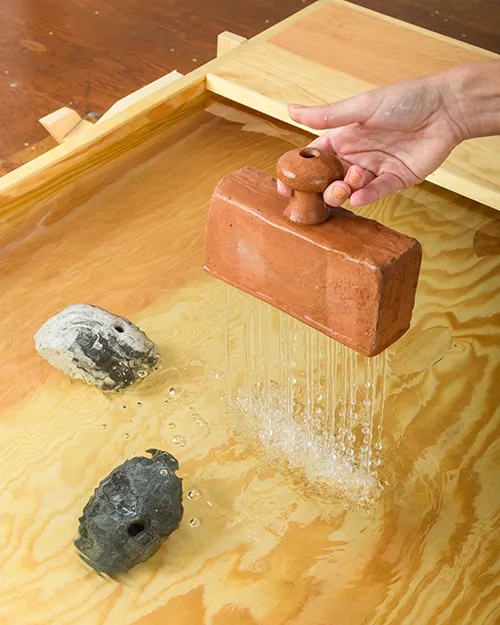
Hydrographies
view project
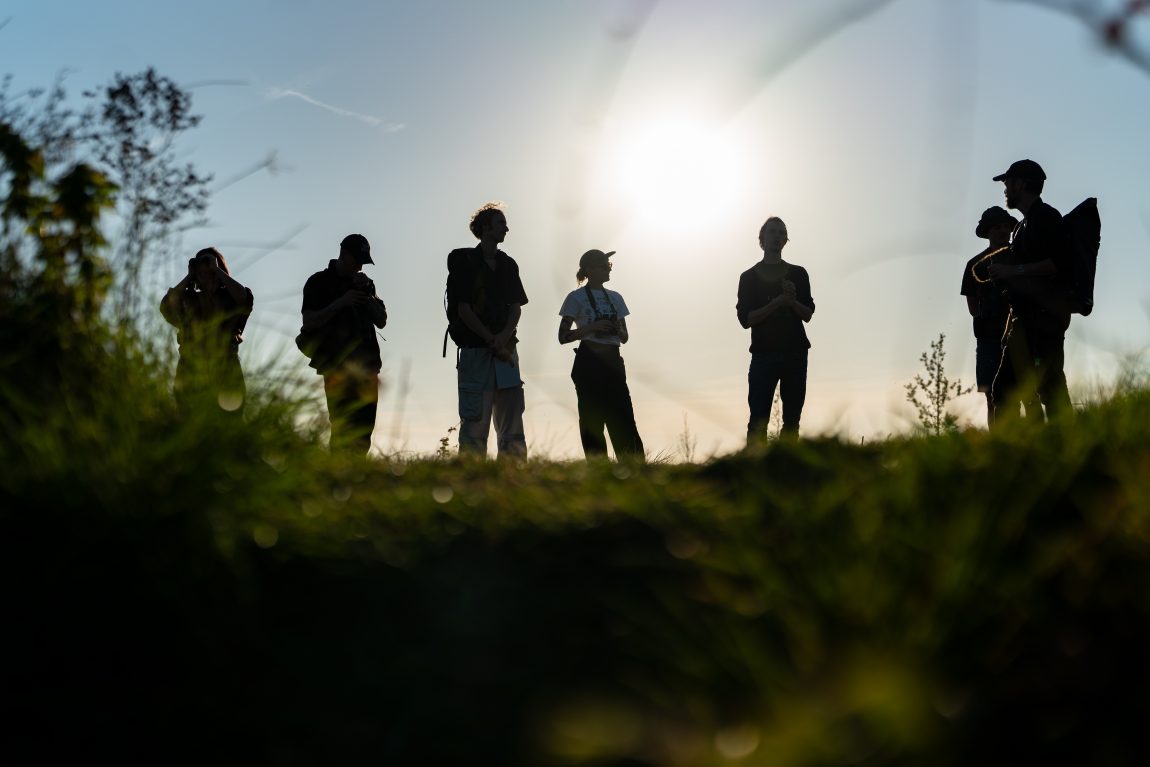
Birding excursion x RISO zine making
Two-part gathering that brought together bird enthusiasts, artists and researchers
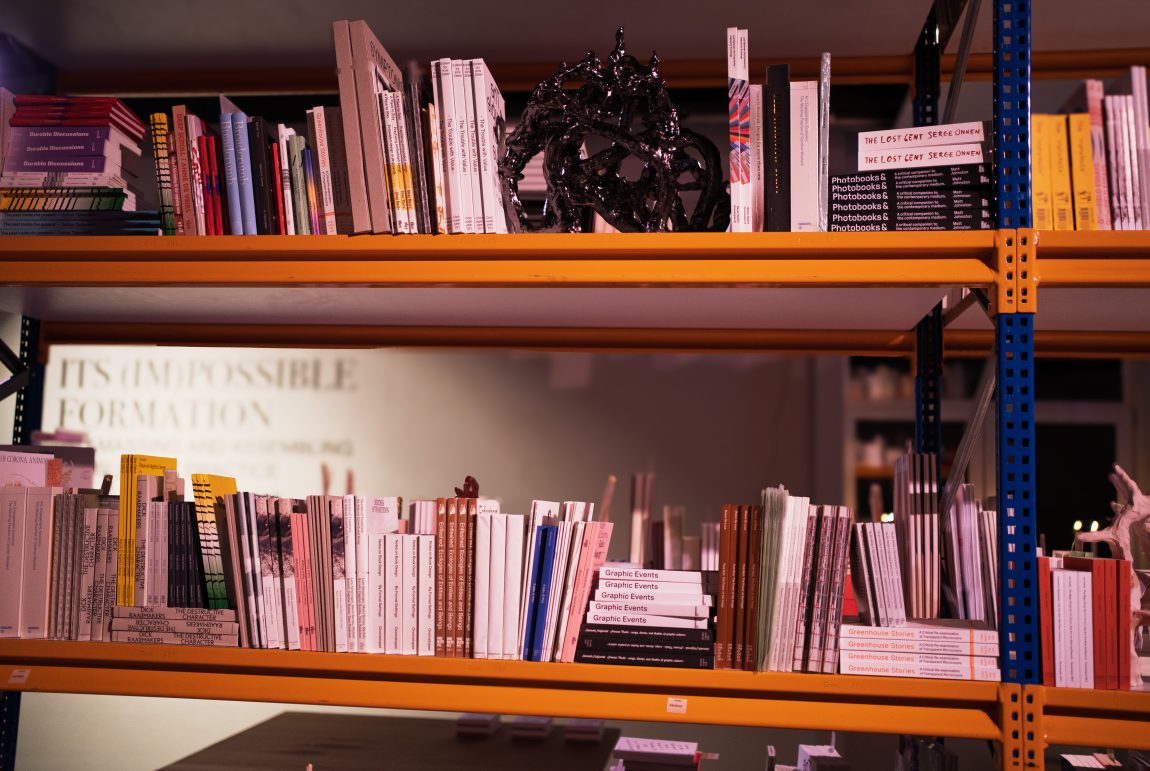
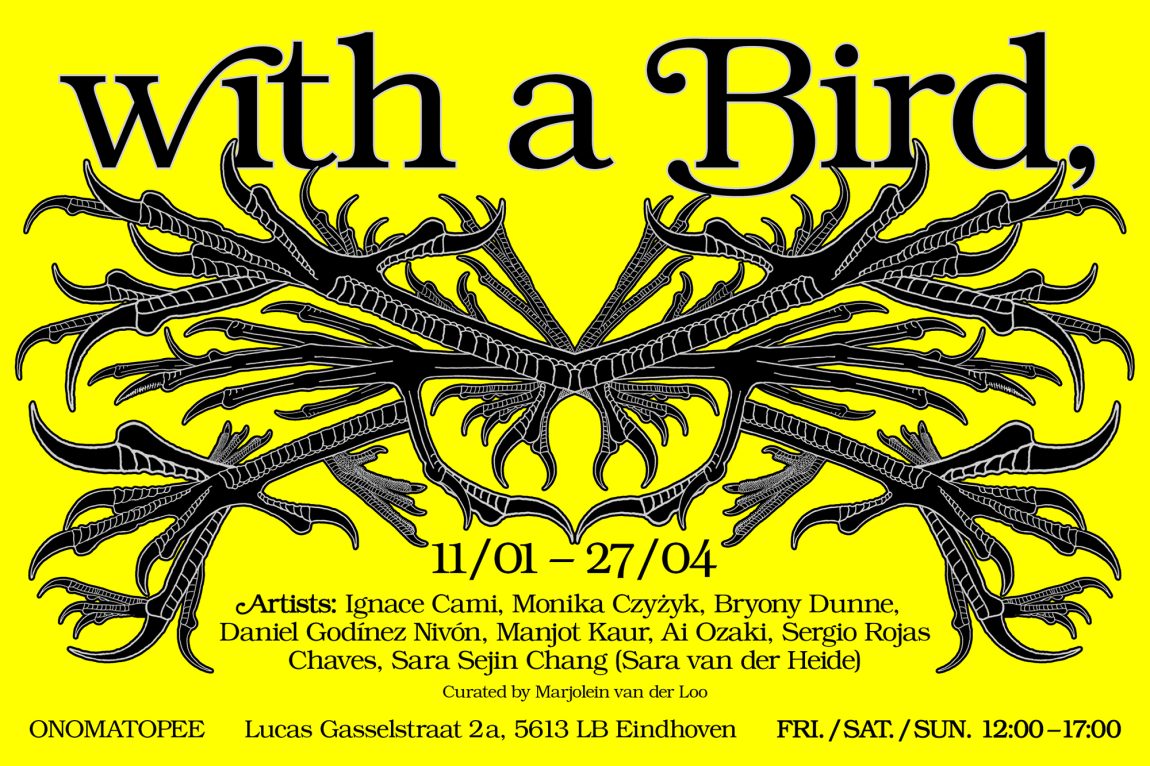
with a Bird,
With a Bird, explores birds as transgressors, inspiring humans in both scientific and spiritual understandings of life
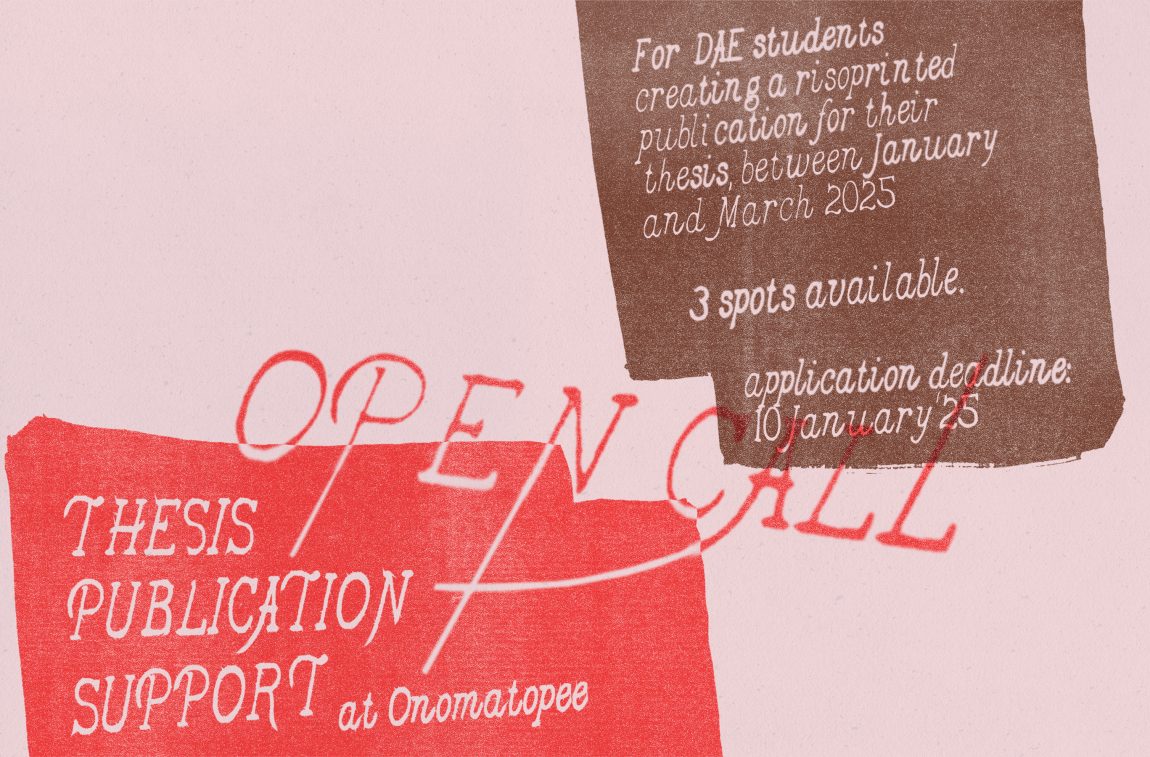
Open Call: Thesis Publication Support Program
The RISO lab at Onomatopee is sponsoring 3 DAE thesis projects January-March 2025
Dutch Design Week at Onomatopee
Find out what's going on during DDW at Onomatopee
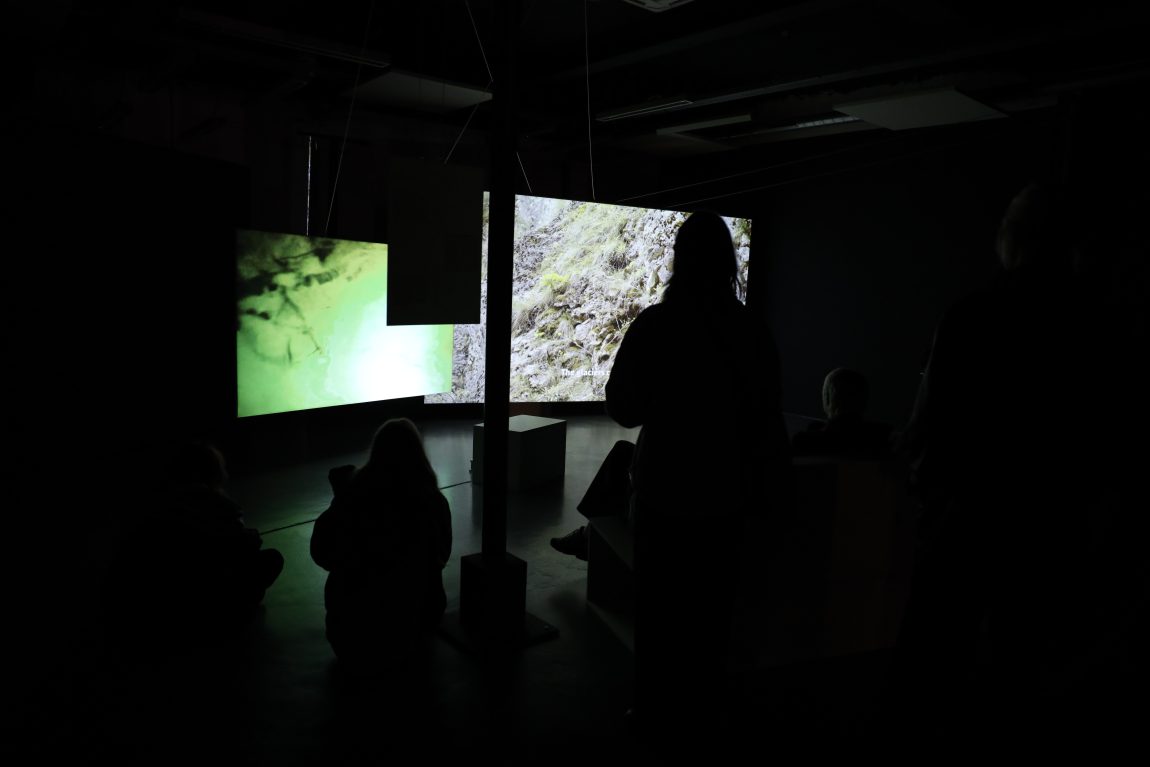
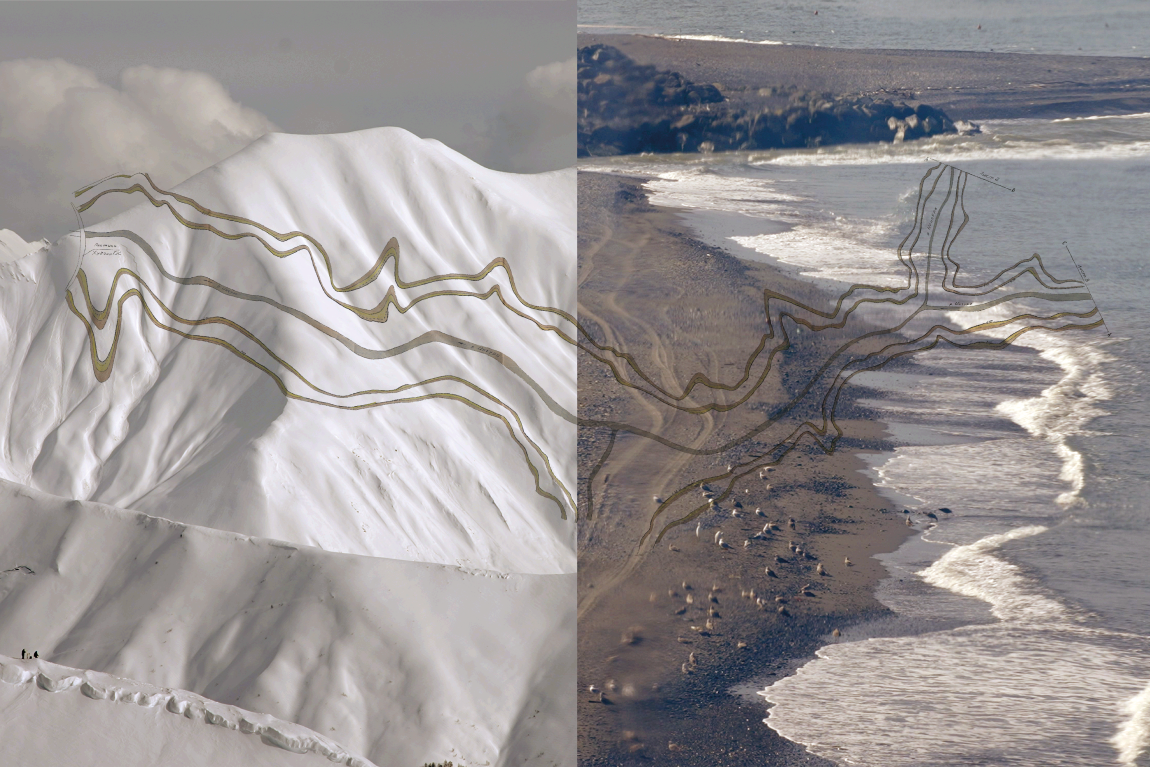
The Mountain Speaks to the Sea
The first solo exhibition in the Netherlands of Georgian filmmaker and artist Tekla Aslanishvili
Onomatopee presents @ Nieuwe Instituut
view project
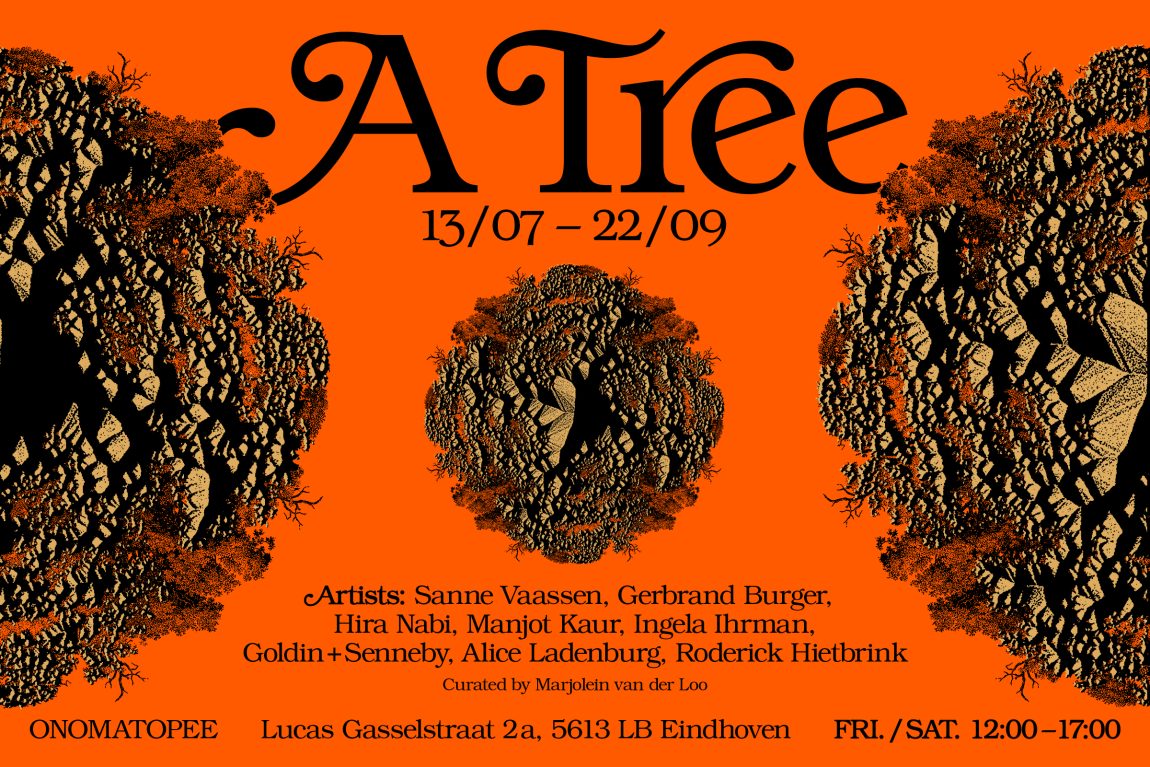
A Tree,
A Tree, showcases research and works where artists explore the relationship between people and trees and ways in which we can relate more closely to their time span
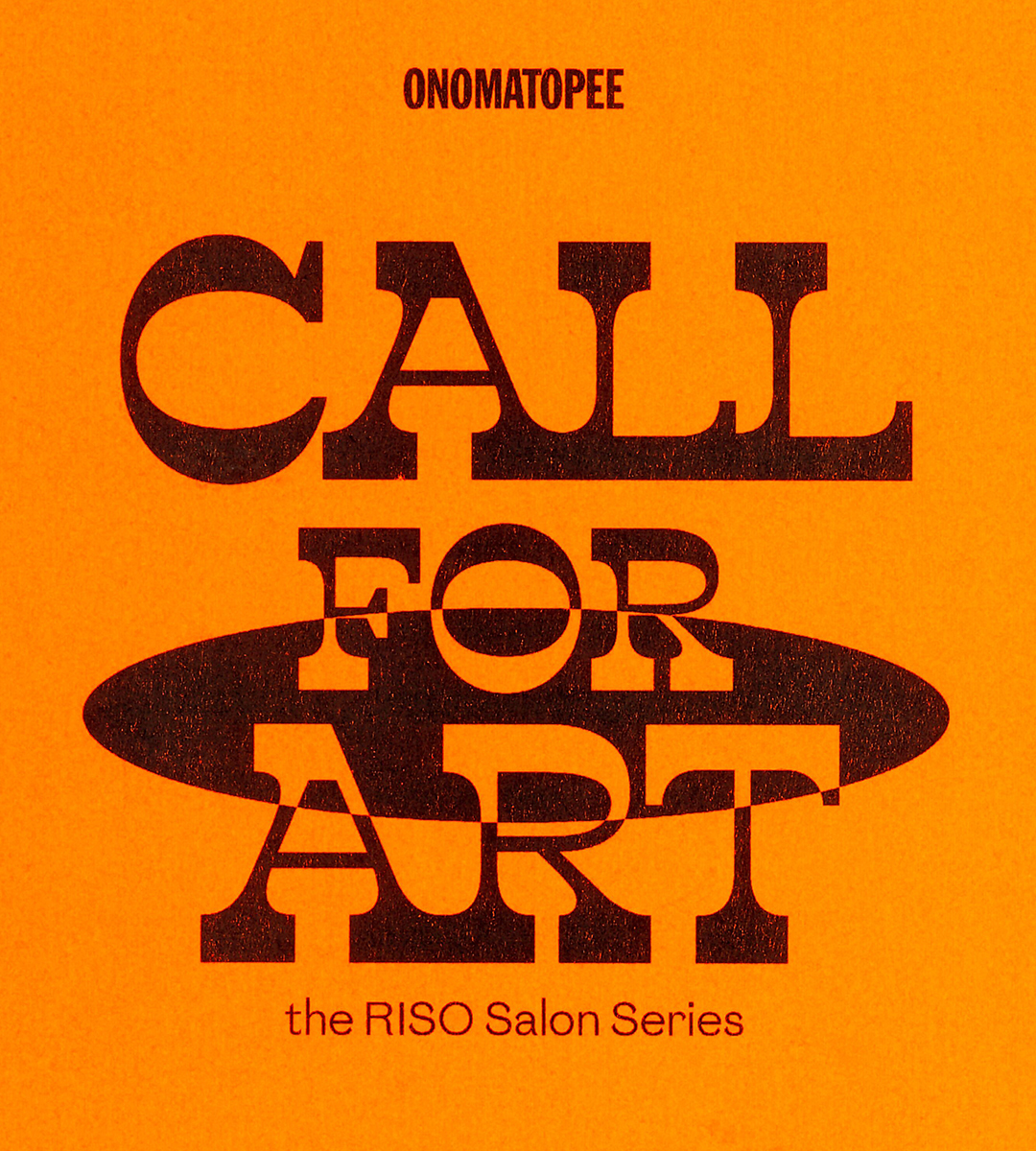
RISO Salon series
Onomatopee is launching the RISO Salon, a pop-up Salon series featuring the risoprinted works of local and international artists.
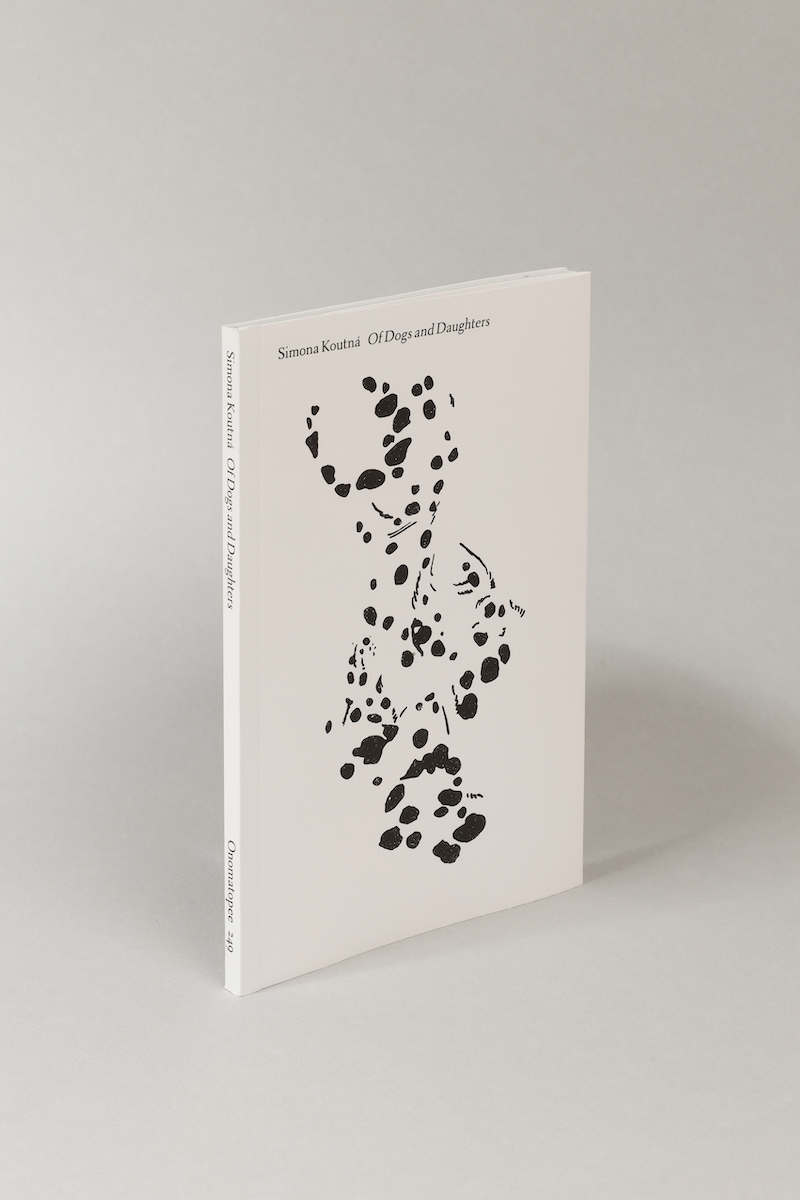
Of Dogs and Daughters
Book launch at San Serriffe, Amsterdam
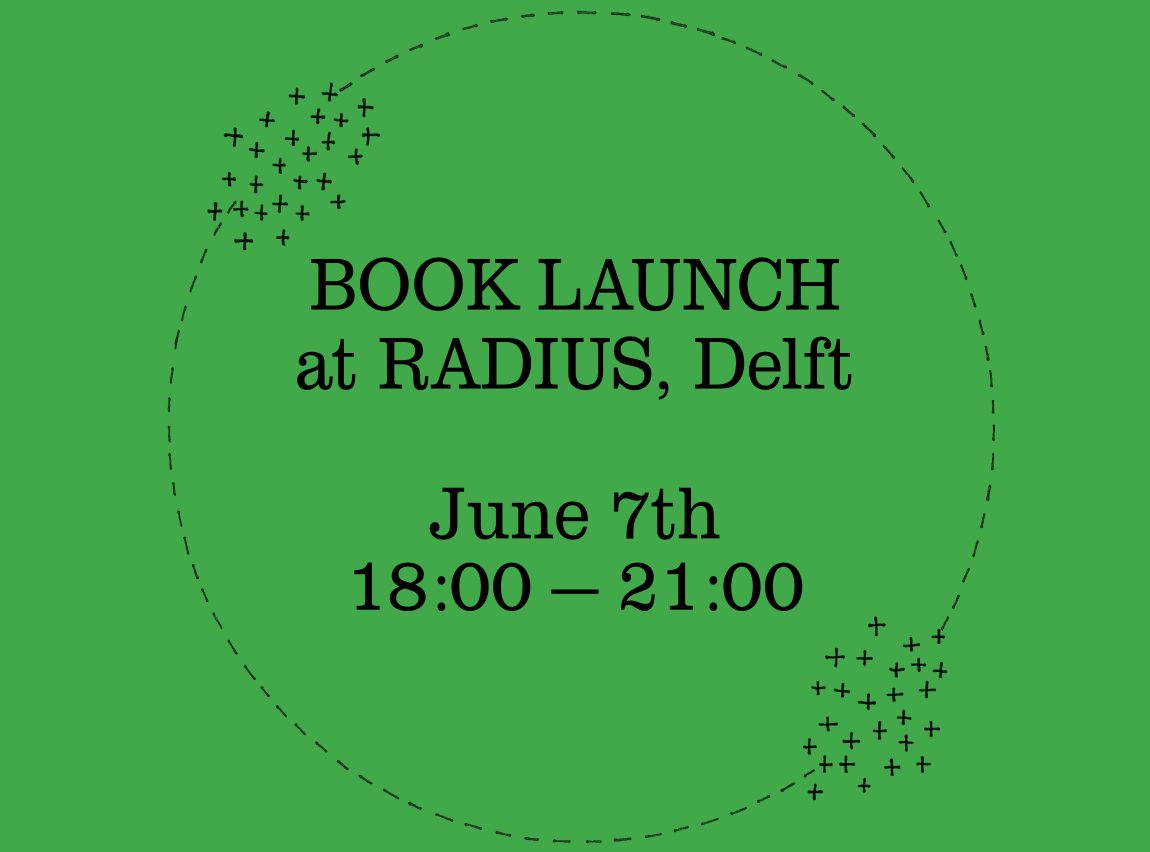
Book launch of Seasonal Matters Rural Relations by Seasonal Neighbours
Join us for the book launch of Seasonal Matters: Rural Relations by Seasonal Neighbours at RADIUS, Delft
Seasonal Neighbours Collective
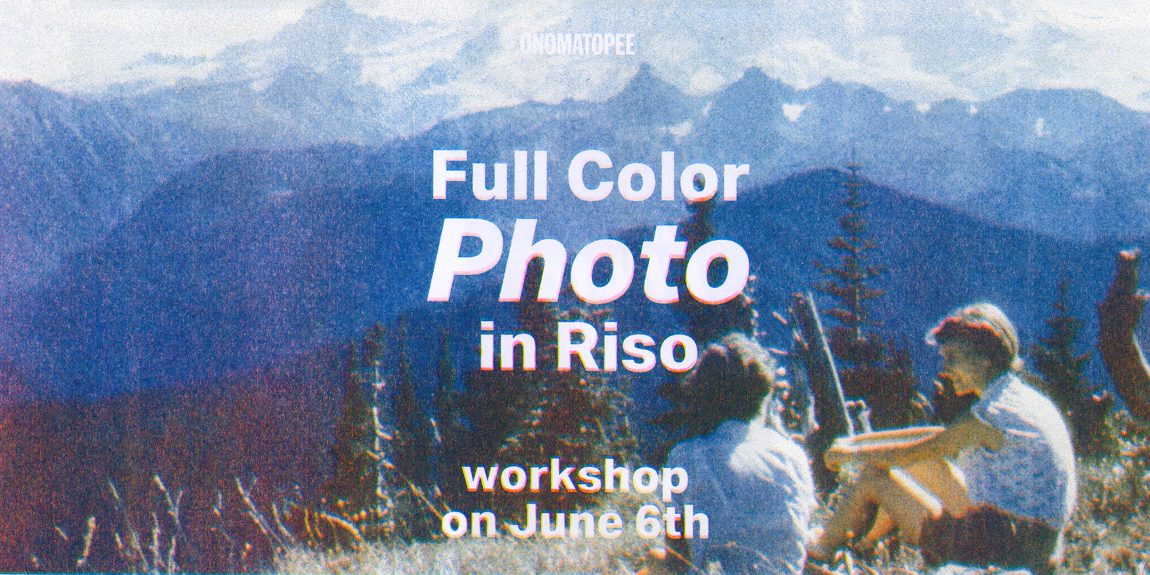
Full-color Photo: a Design for RISO workshop
Dive into the wonderful world of risograph printing
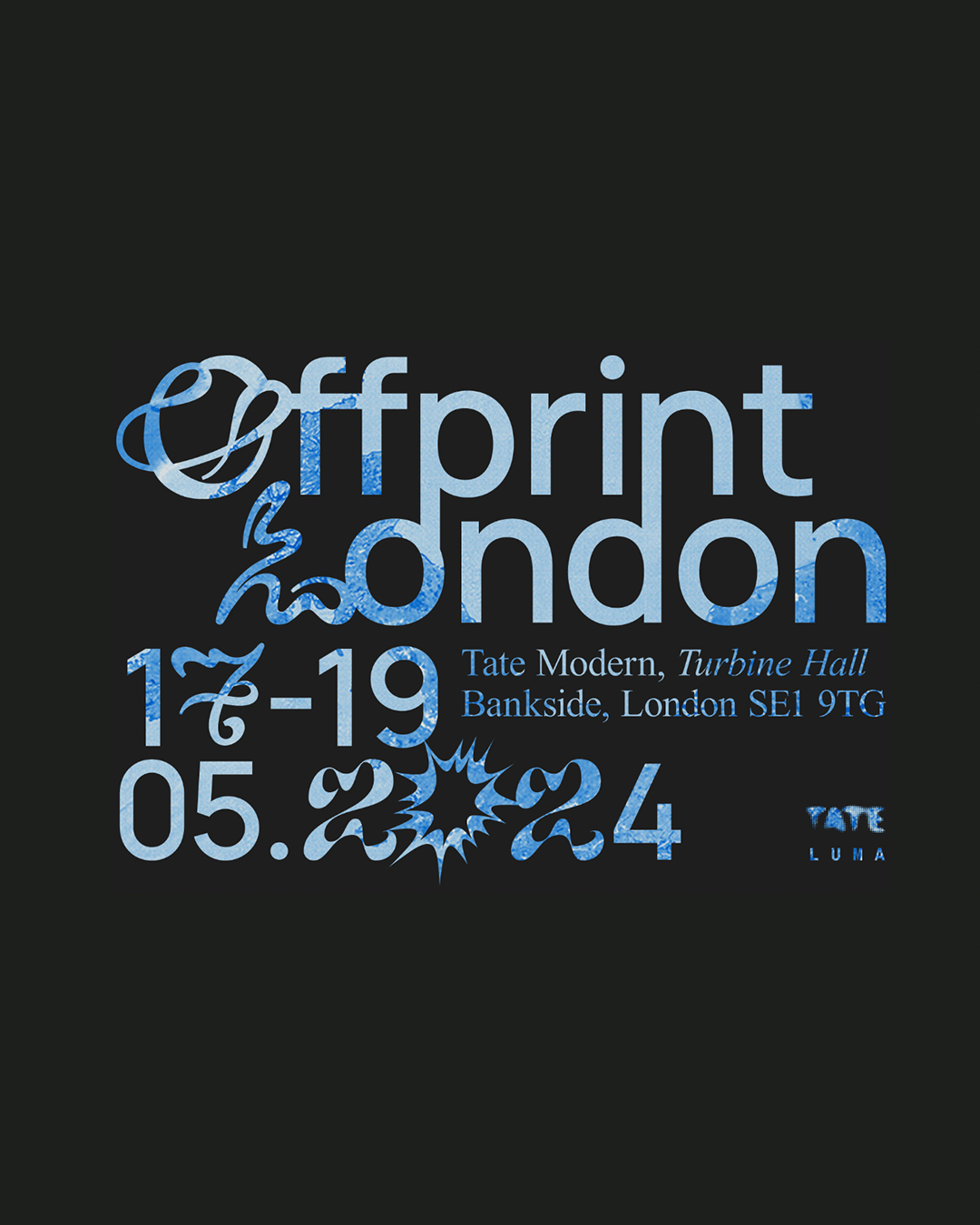
Offprint London @Tate Modern 17-19 May
Onomatopee joins Offprint London at Tate Modern’s for its eighth edition!
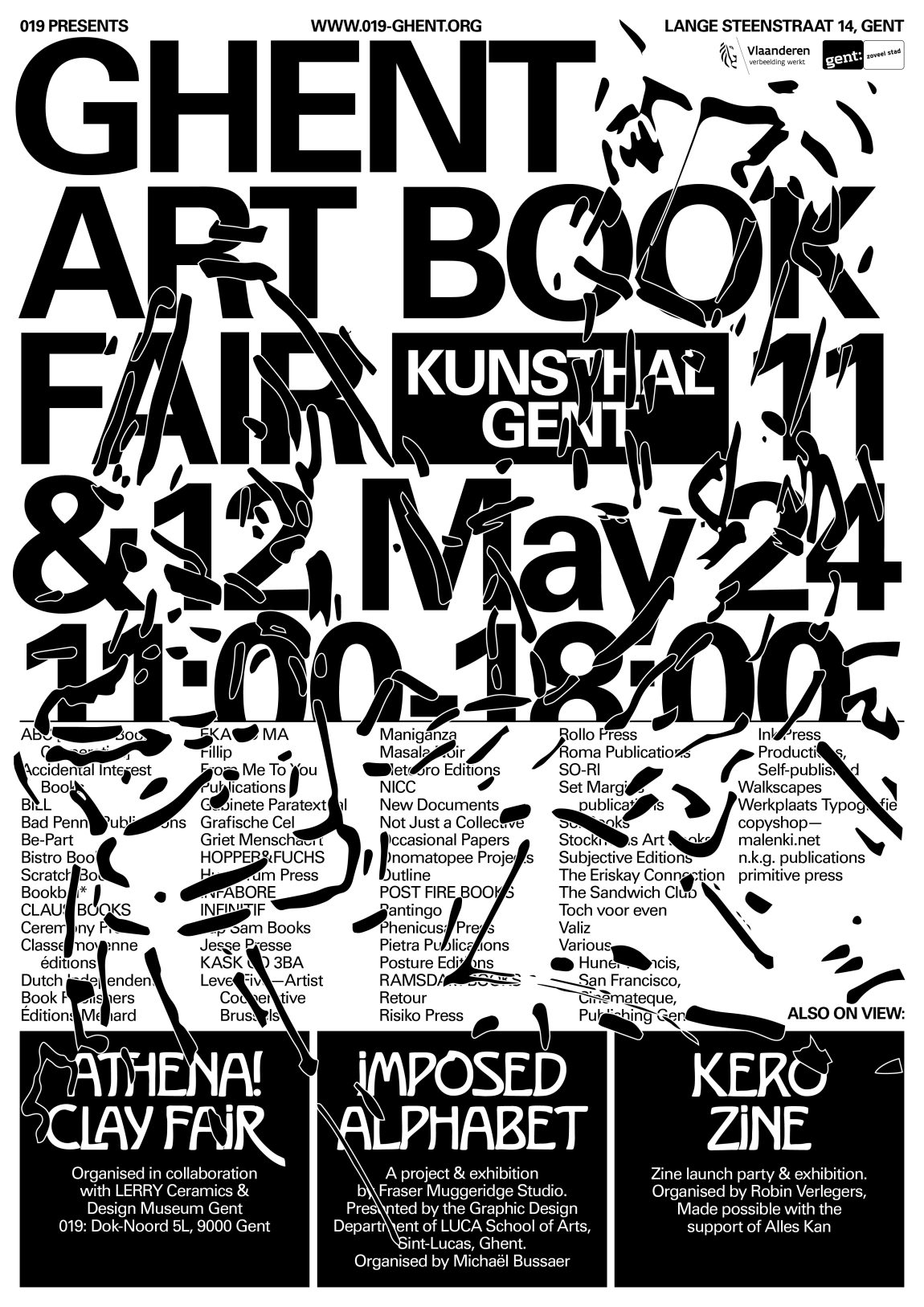
Ghent Art Book Fair 2024
Find us at Kunsthal Gent on 11 & 12 May
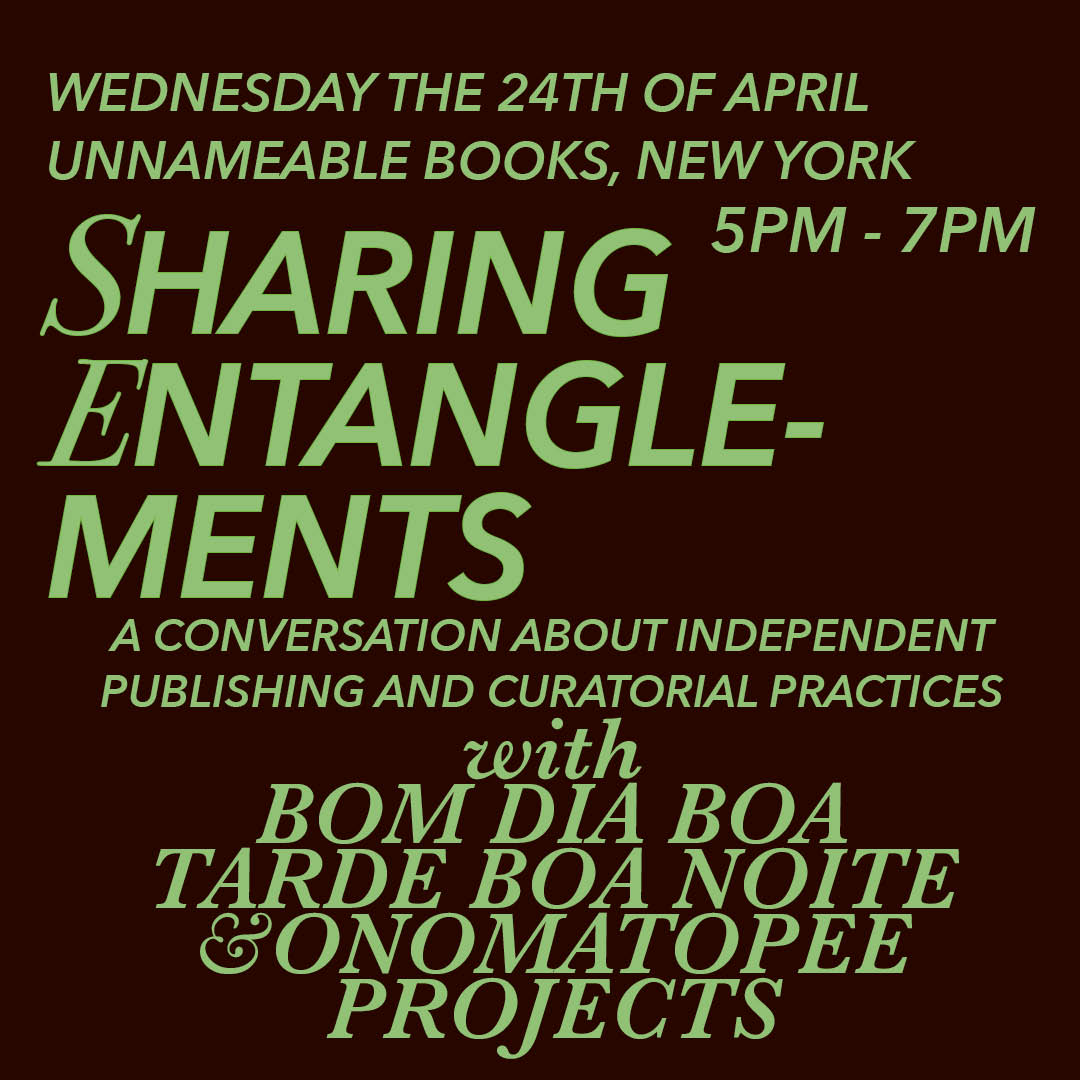
Sharing entanglements at Unnameable Books, New York
a conversation about independent publishing and curatorial practices with BOM DIA BOA TARDE BOA NOITE and Onomatopee Projects in the courtyard of Unnameable Books
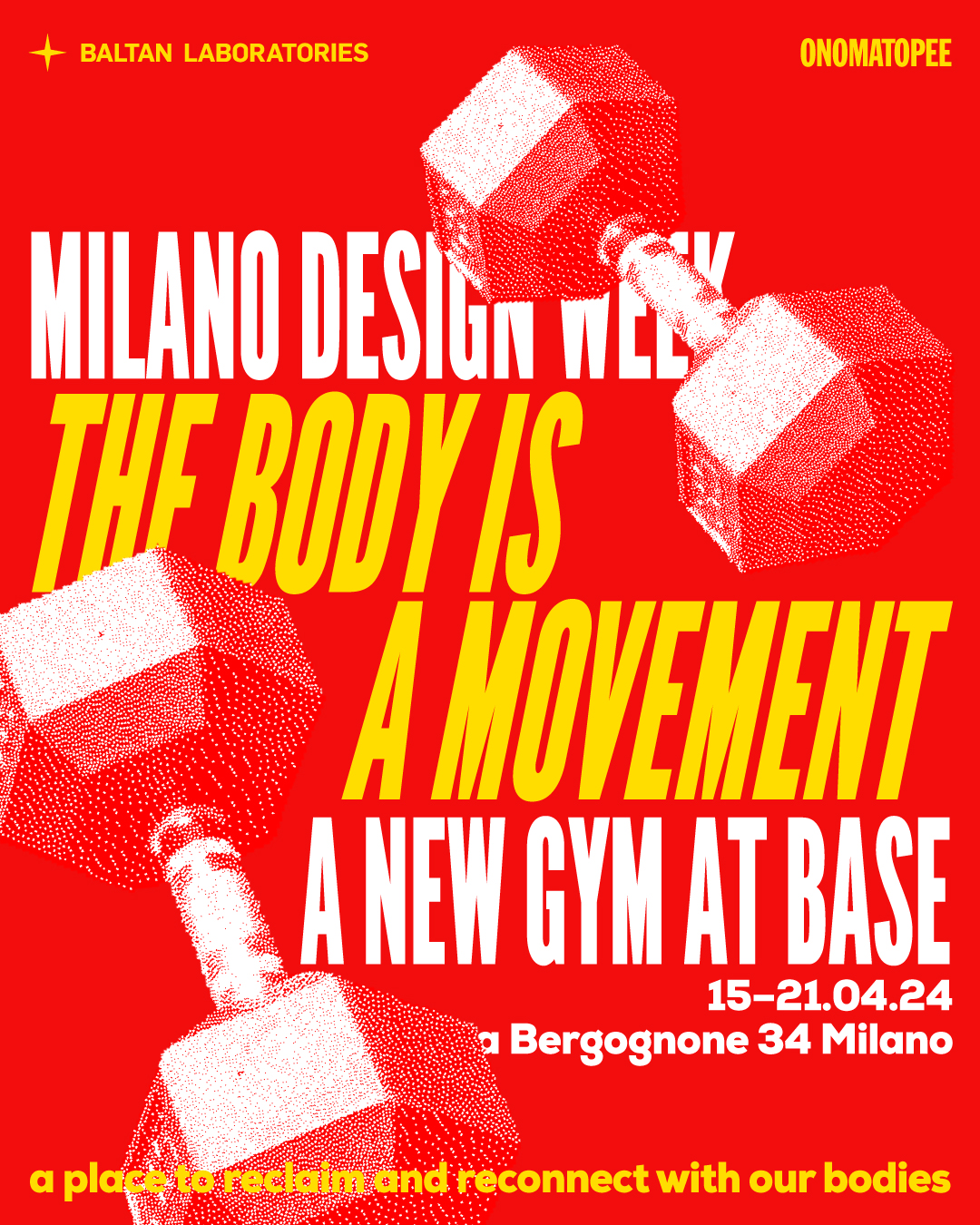
The Body is a Movement @ BASE, Milan
Baltan & Onomatopee’s The Body is a Movement programme is travelling to Milan for the Design Week
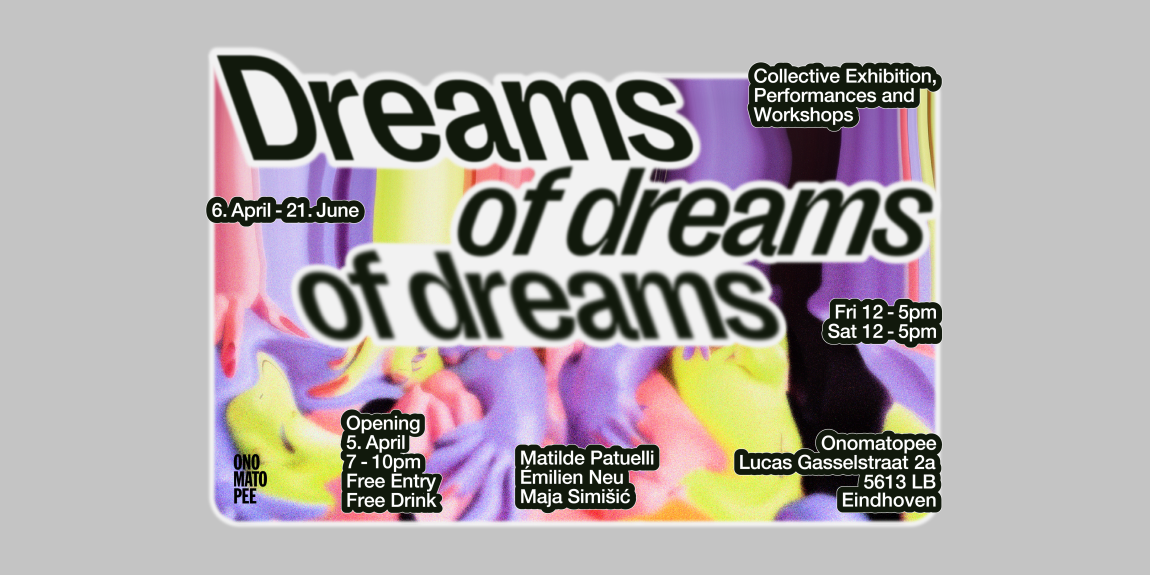
Dreams of dreams of dreams
An exhibition and public program which explores the transformative power of imagination when fuelled by a collective resolve to dismantle the status quo
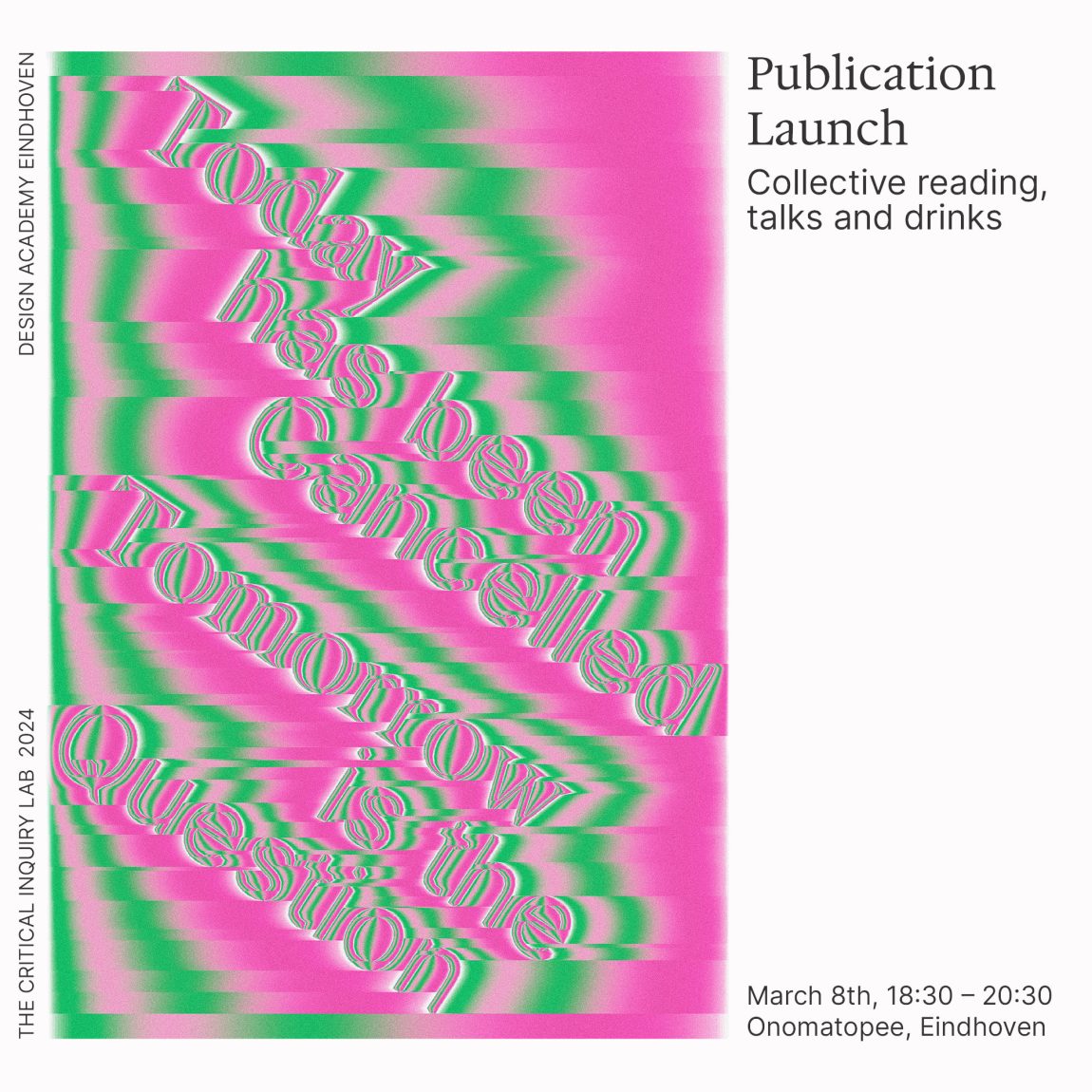
“Today Has Been Cancelled, Tomorrow is the Question” by DAE’s The Critical Inquiry Lab
This publication compiles texts written by the DAE students
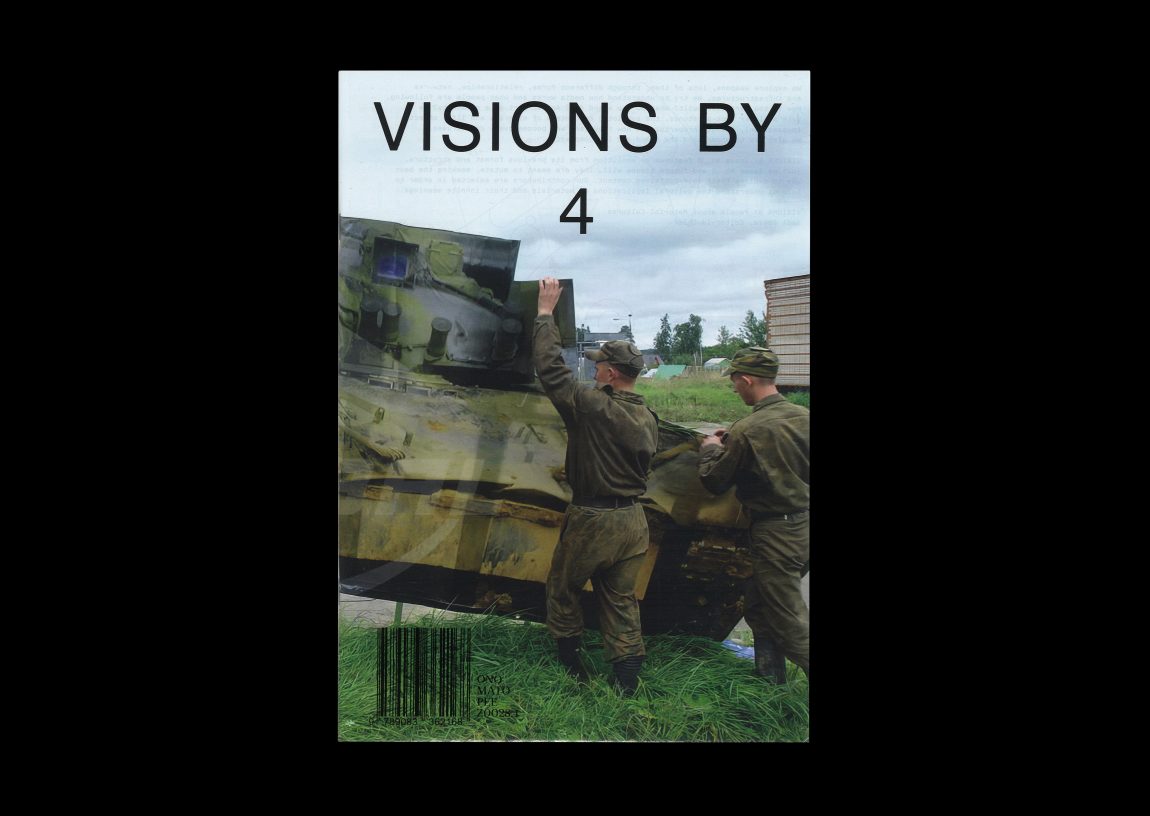
Launch VISIONS BY Issue No. 4
Saúl Baeza will guide us through the VISIONS BY universe while navigating their visual archive
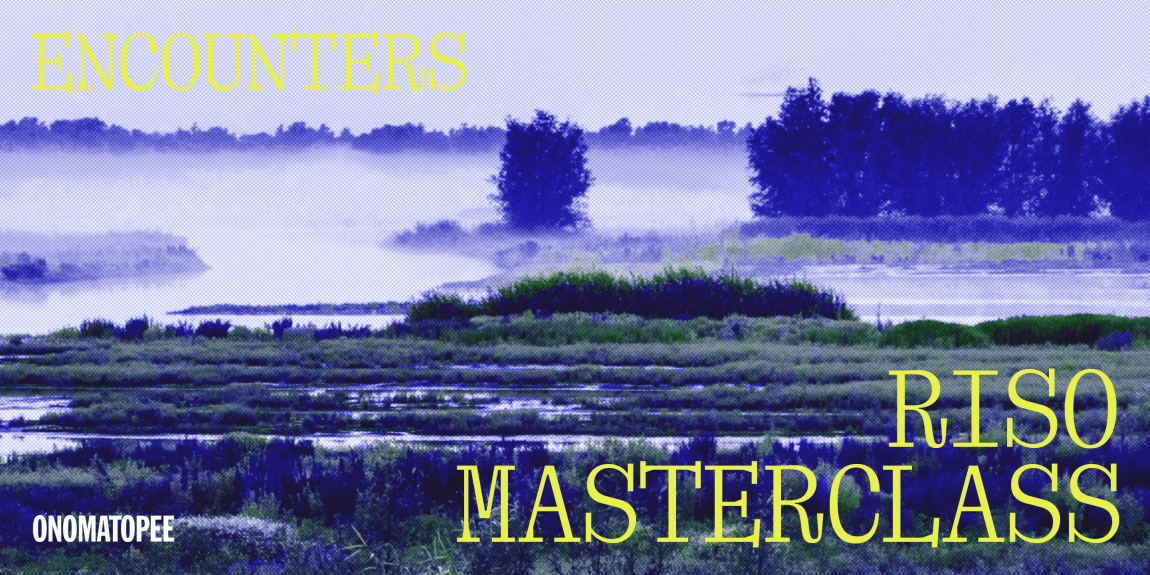
RISO Masterclass: ENCOUNTERS
Join us at Onomatopee for a 2-day workshop for all those wanting to deepen their risograph skills
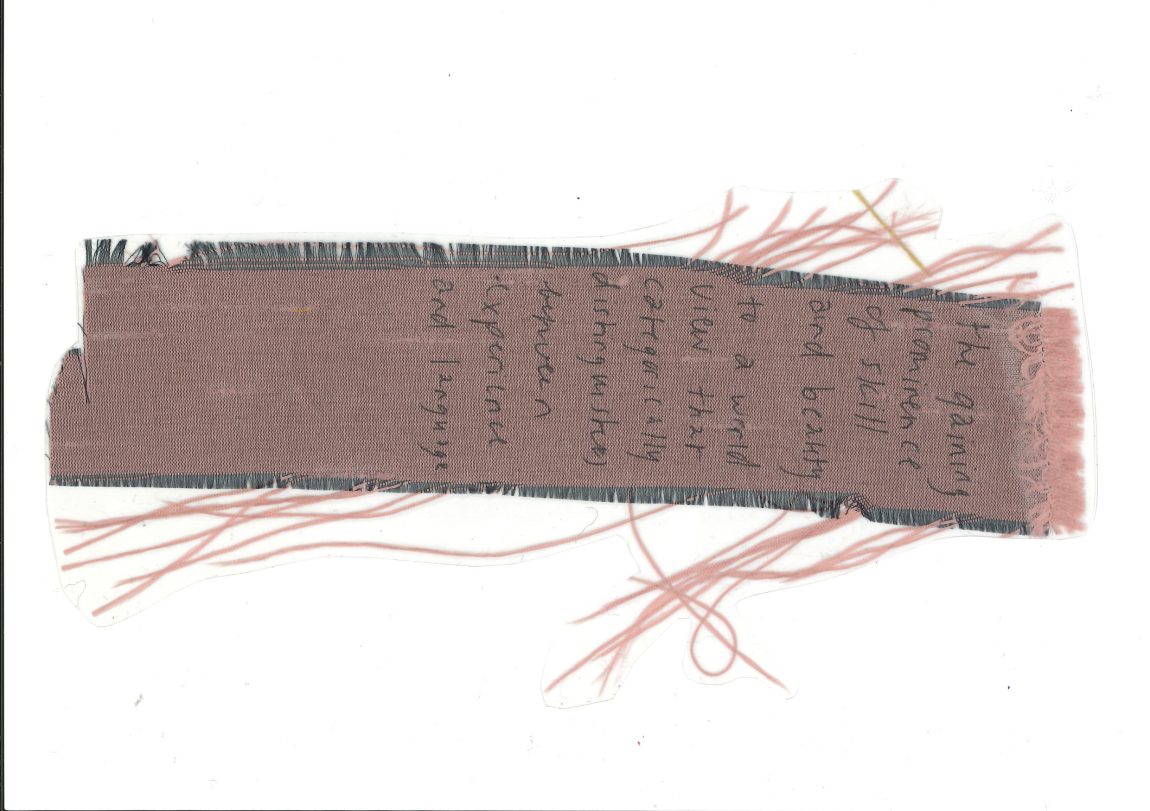
Erase, Deface, Remediate: A found text workshop
Explore the found object tradition with Mia You & Romy Day Winkel
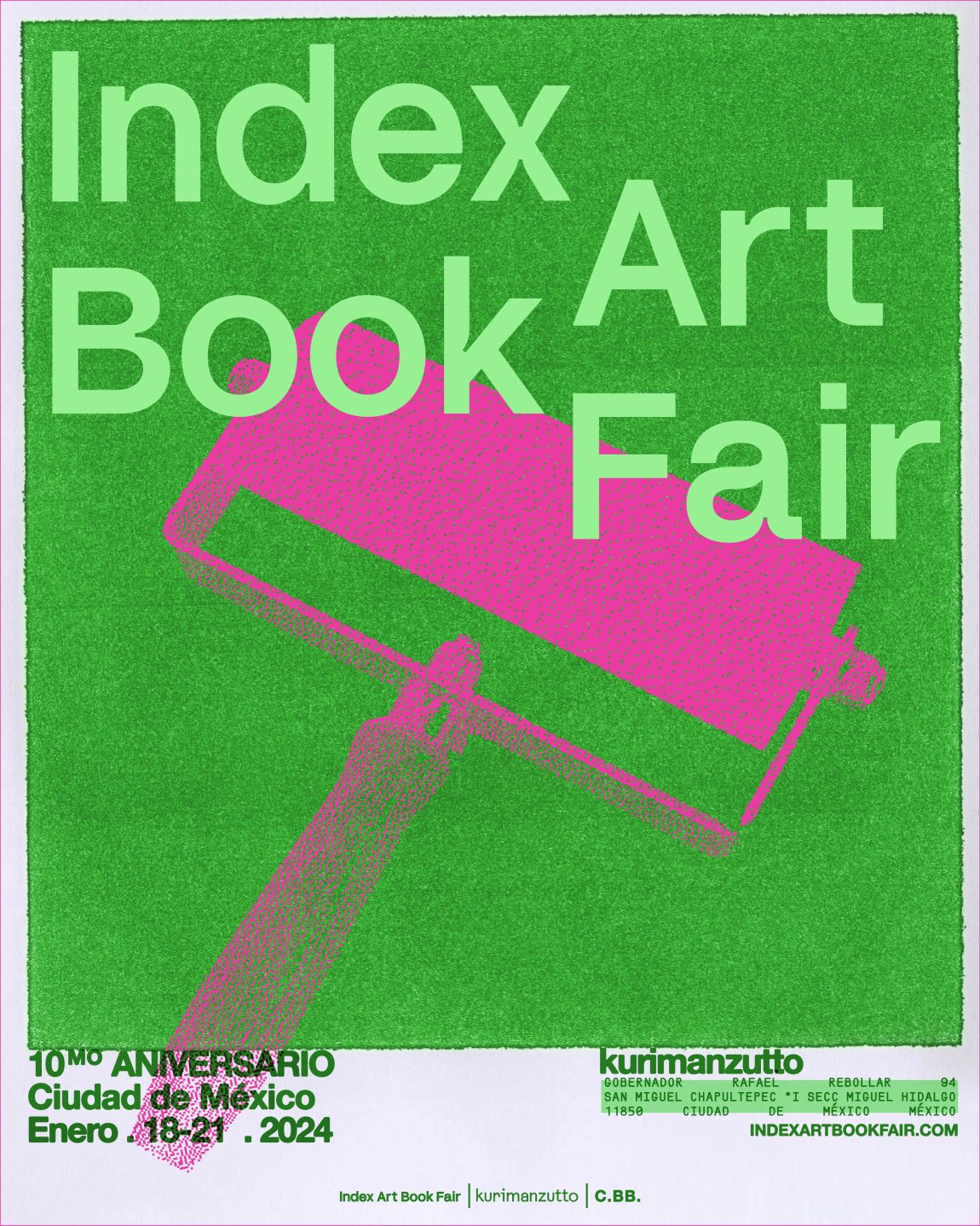
Index Art Book Fair Mexico 2024
Onomatopee returns to the @indexartbookfair in Mexico!
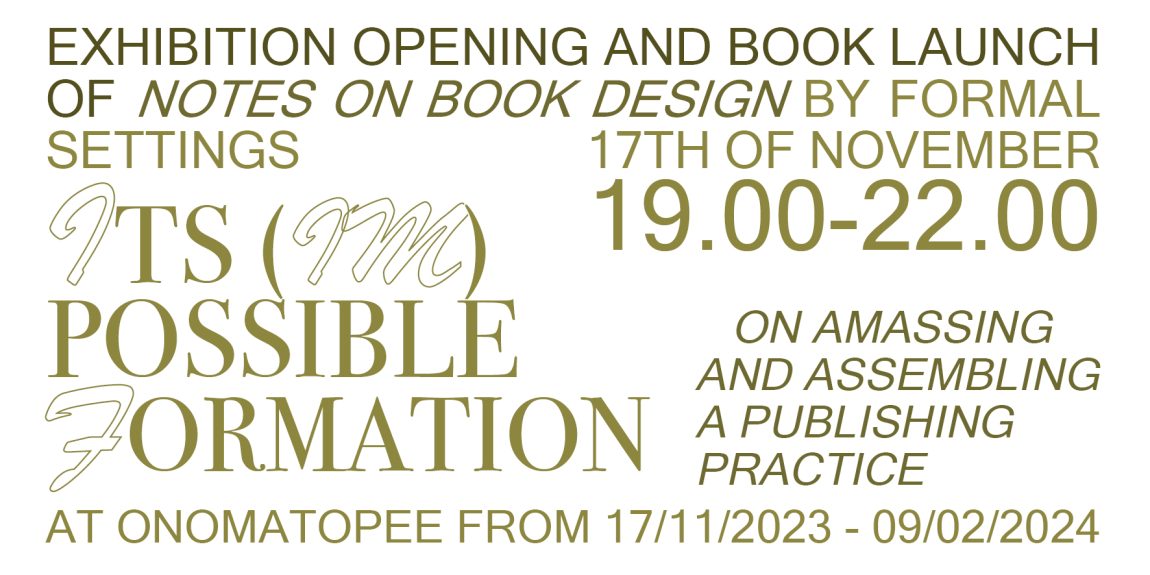
ITS (IM)POSSIBLE FORMATION
On amassing and assembling a publishing practice.
Romy Day Winkel, Natasha Rijkhoff
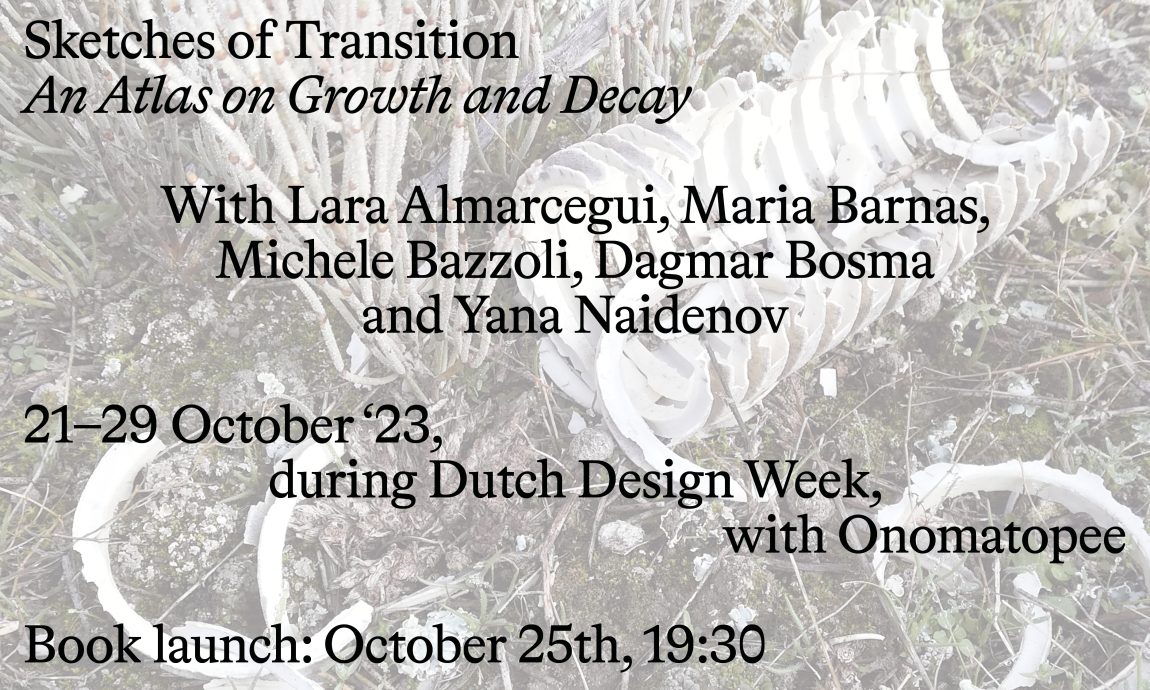
Sketches of Transition
An Atlas on Growth and Decay
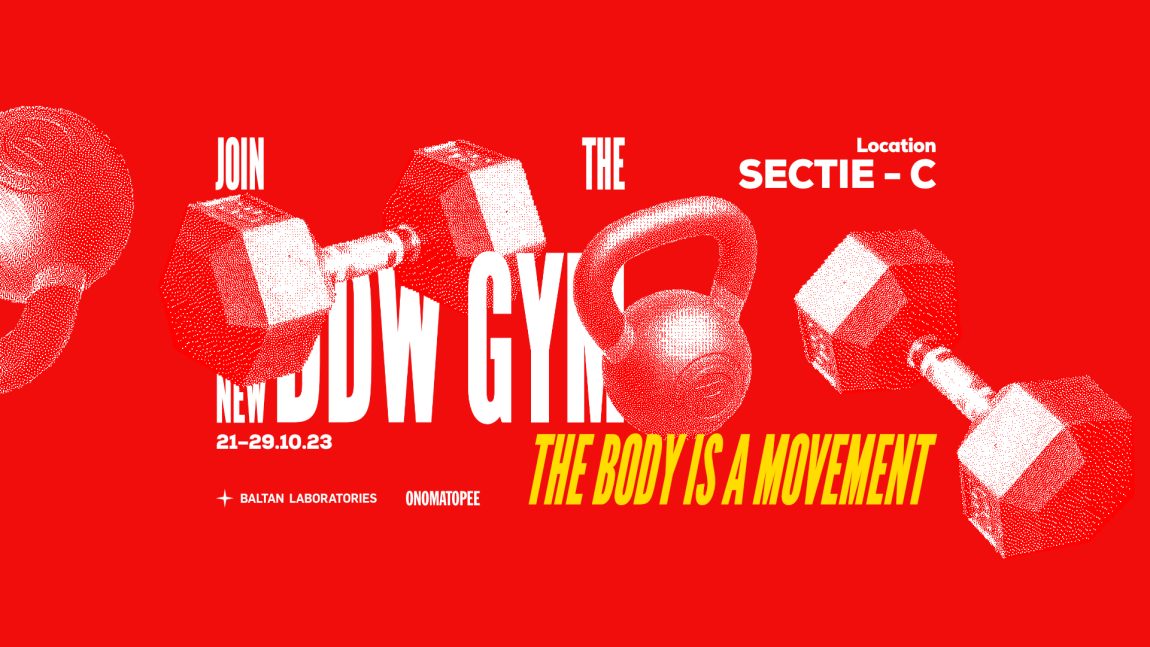
The Body is a Movement
DDW2023: The Body is a Movement
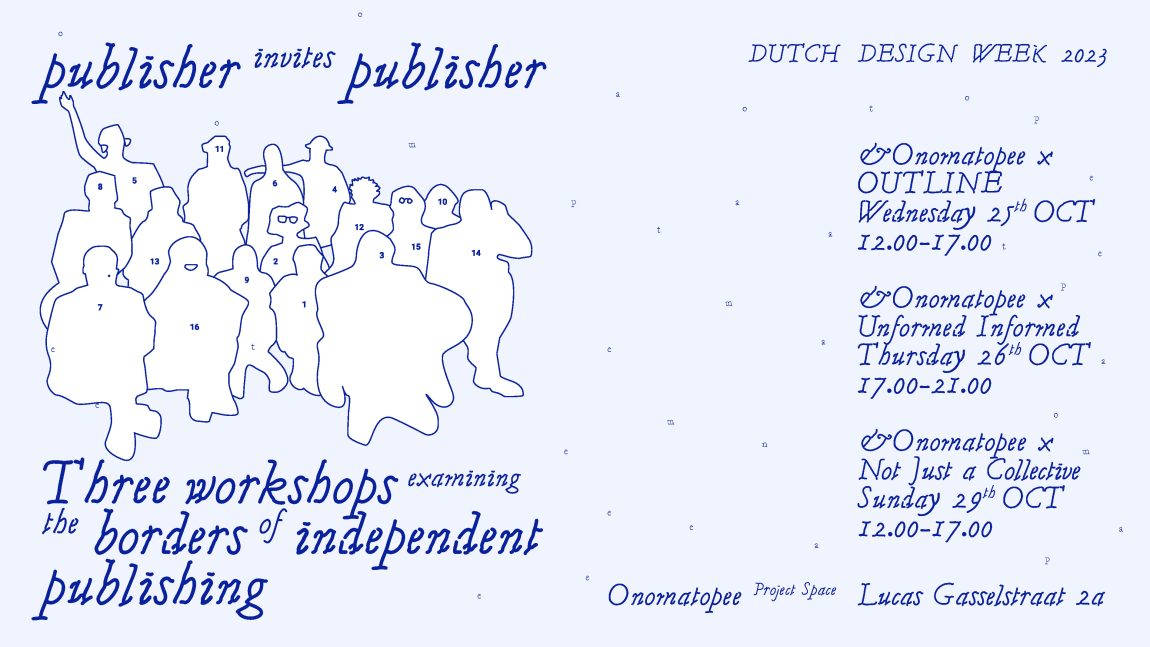
Publisher invites Publisher
three workshops examining the borders of independent publishing during DDW '23
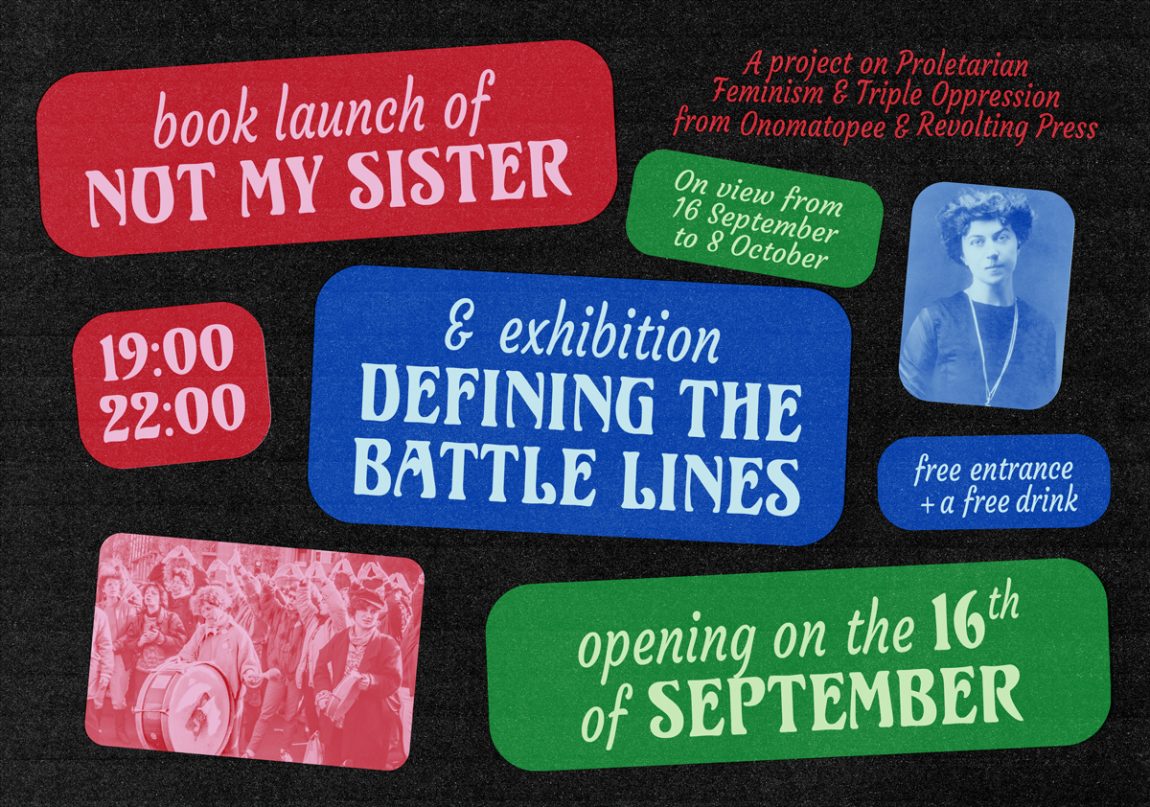
Defining the Battle Lines
An exhibition, two publications and Riso printing
T.M. Cabrera, Barbara Holub, Jaspar Joseph-Lester, Marthe (Vannieuwen) Huyse
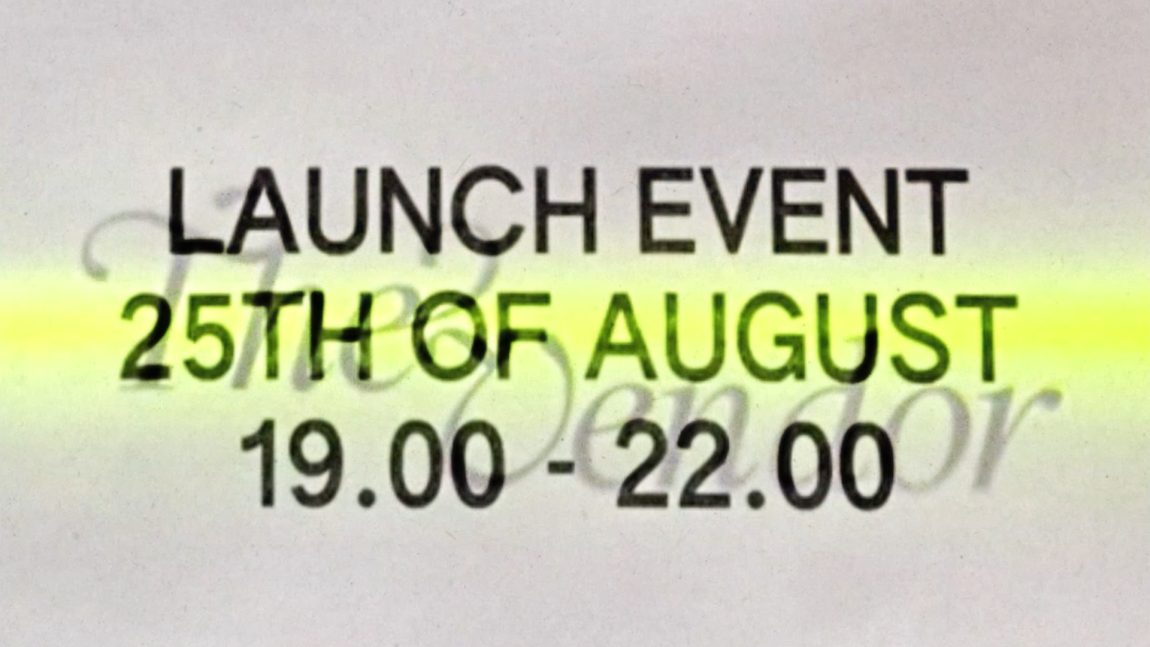
Open Call - The Vendor
THE VENDOR SUMMER PUBLICATION
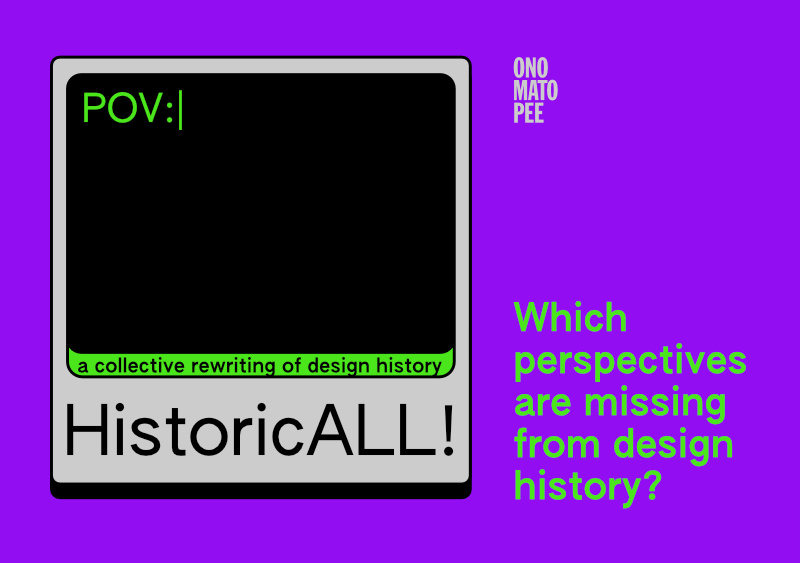
HistoricALL!
A collective rewriting of design history
Incomplete Neighbor
Sound & Synergy x Incomplete Neighbor
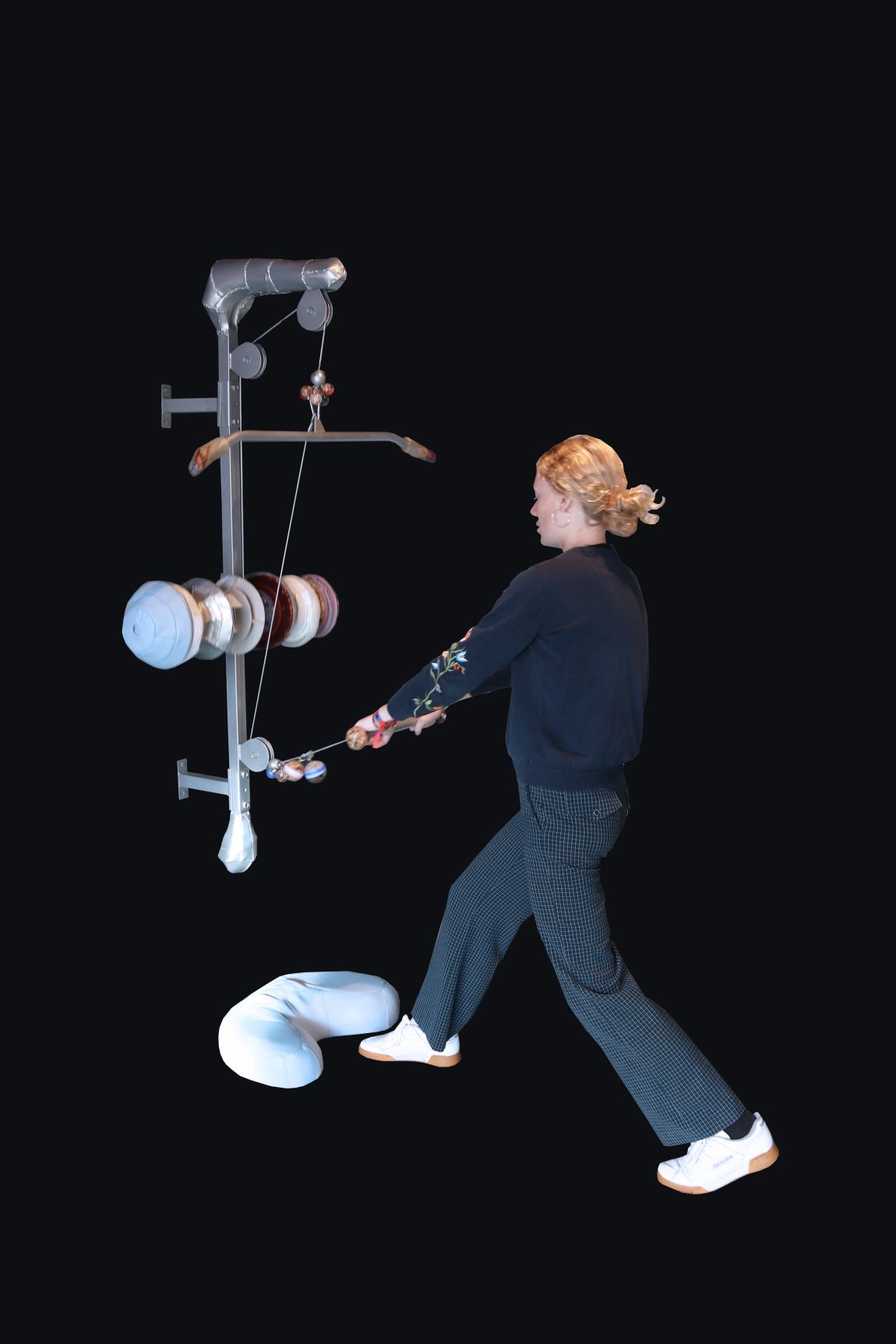
Re-Assembling Motherhood(s)
EXHIBITION Re-Assembling Motherhood(s)
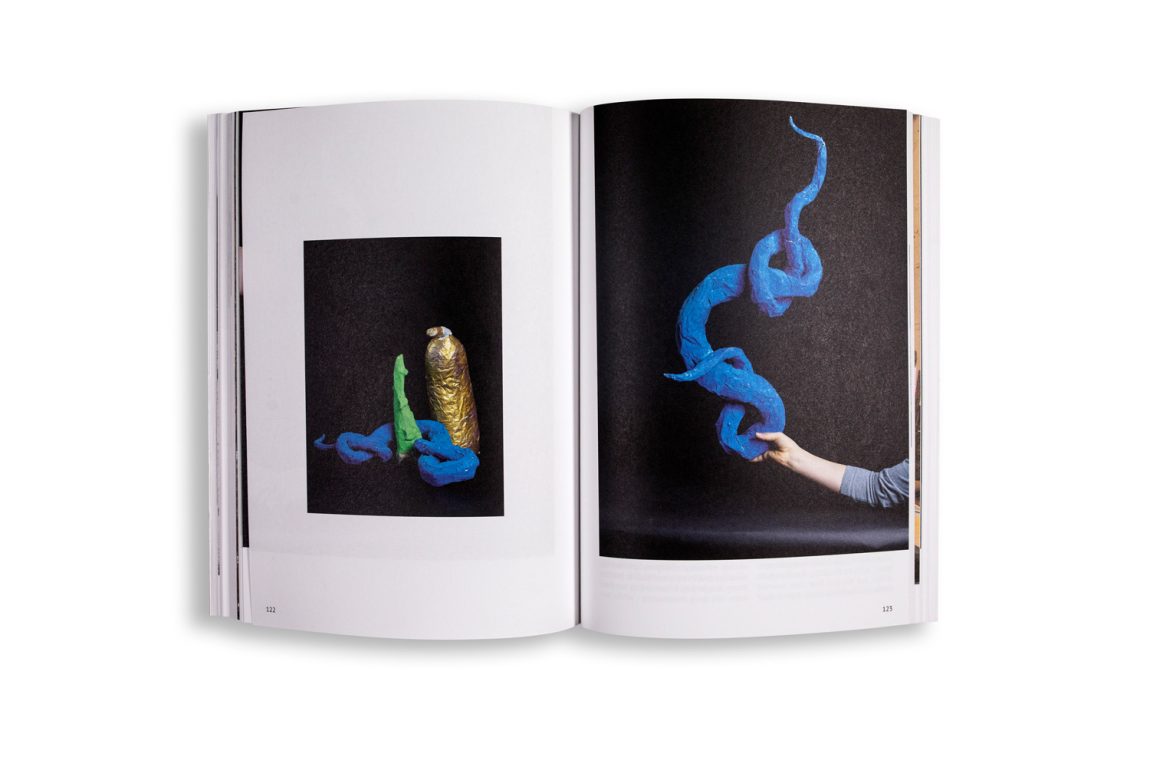
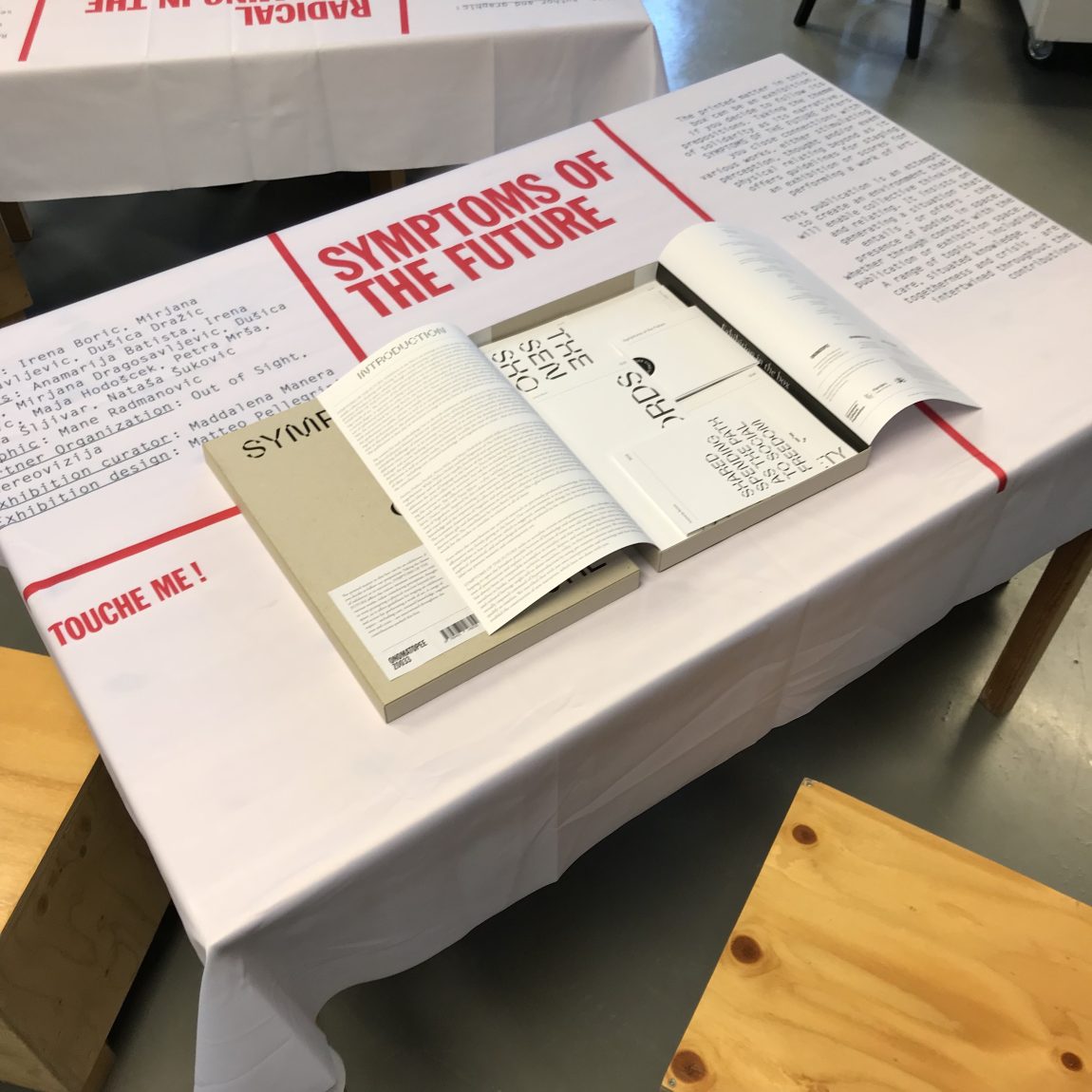
SYMPTOMS OF THE FUTURE
Exhibition in the box
Irena Boric, Mirjana Dragosavljević, Dušica Dražić
radical becoming in the ongoing now
Alexandra Neuman
view project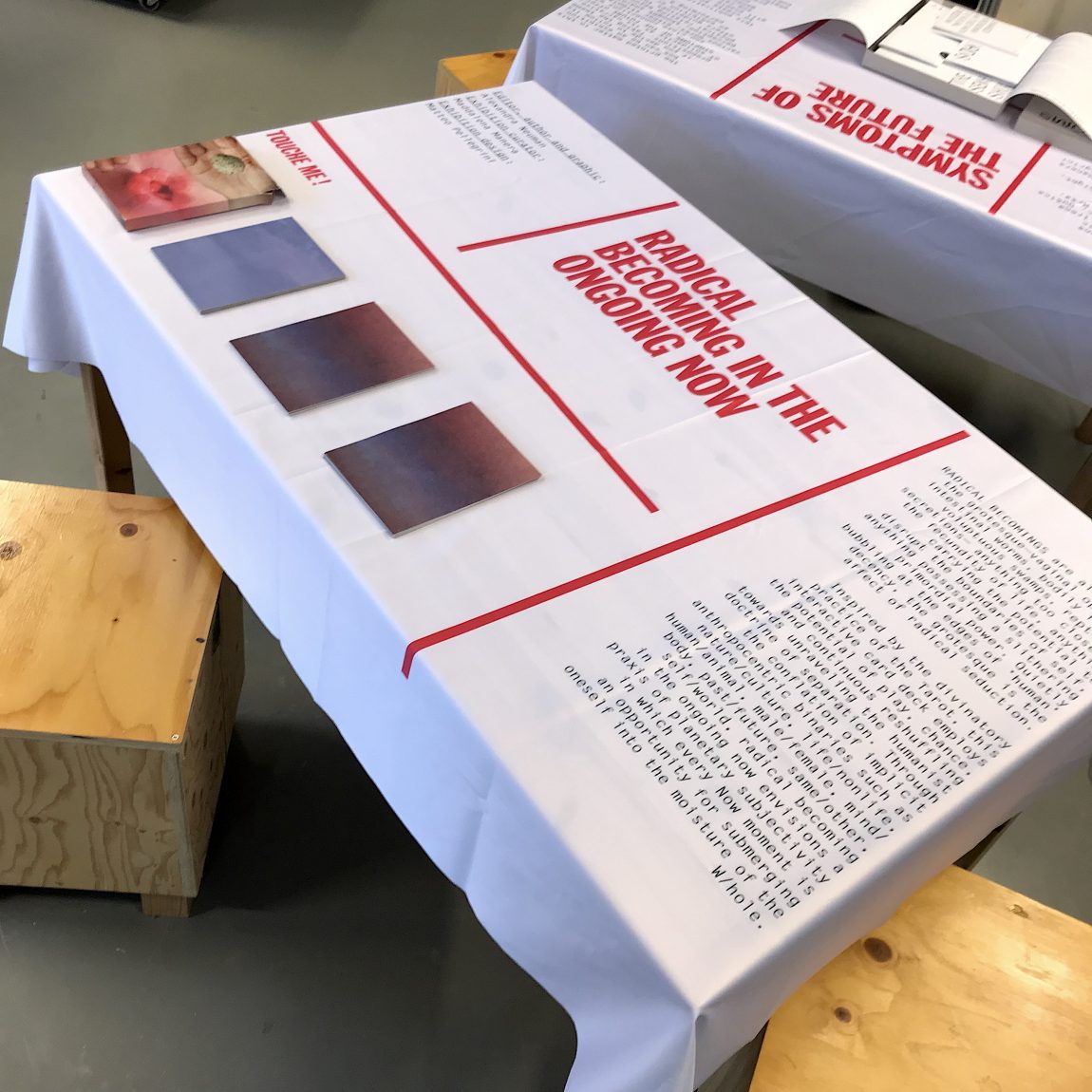
MODUS Hosts: Unfolding Inter-local Practice
Ruby Hoette, Caroline Stevenson curators
view project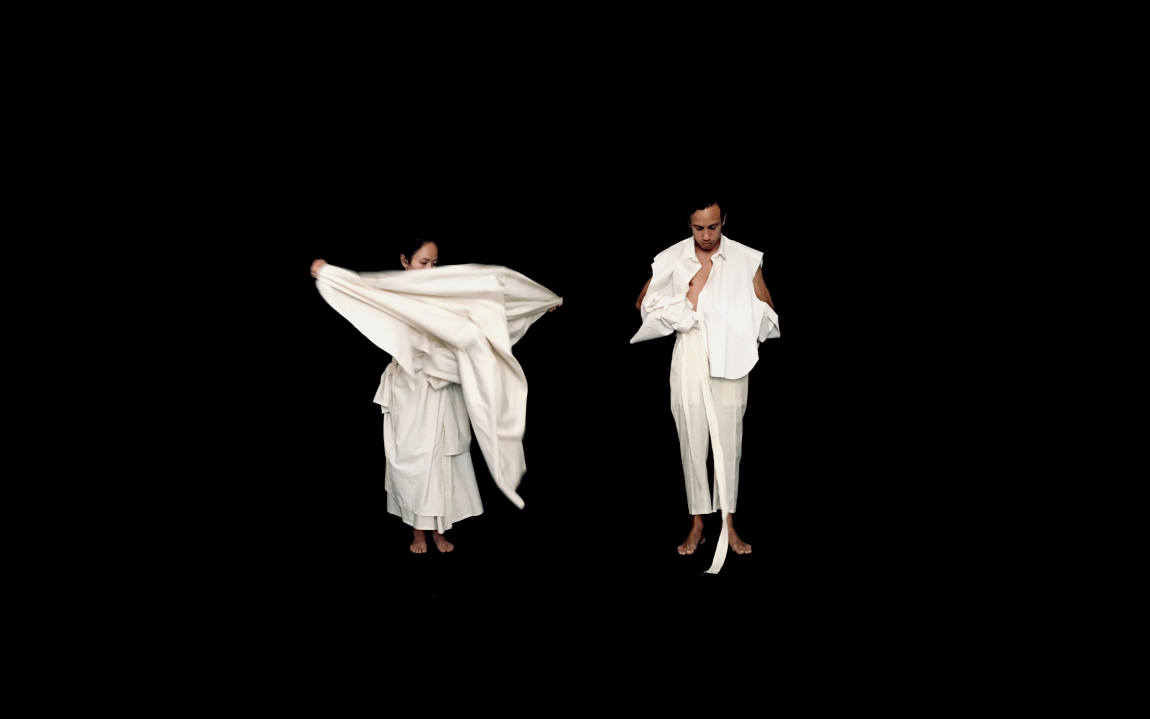
Meeting Grounds Edition Four: The Community Garden
Amy Gowen, Het Kloosterbos
view project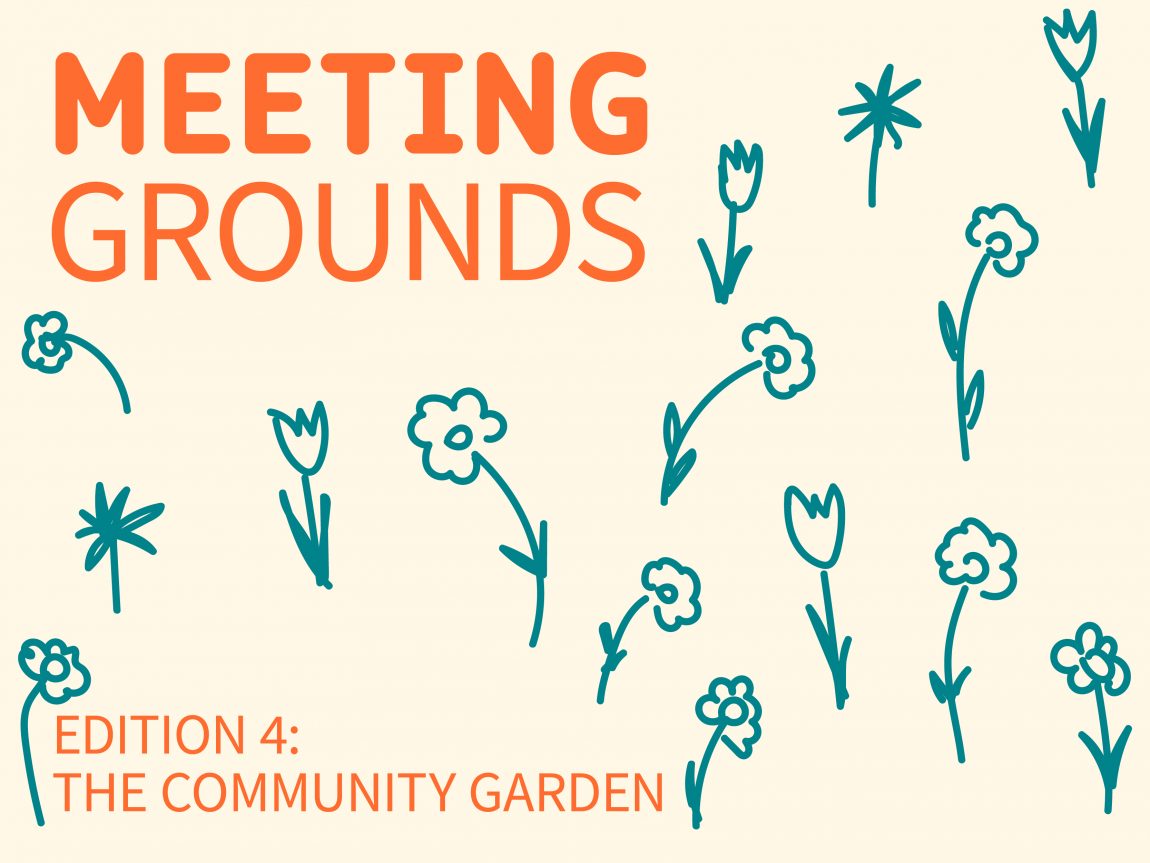
Rights of Way
The body as witness in public space
Amy Gowen (curator/editor)
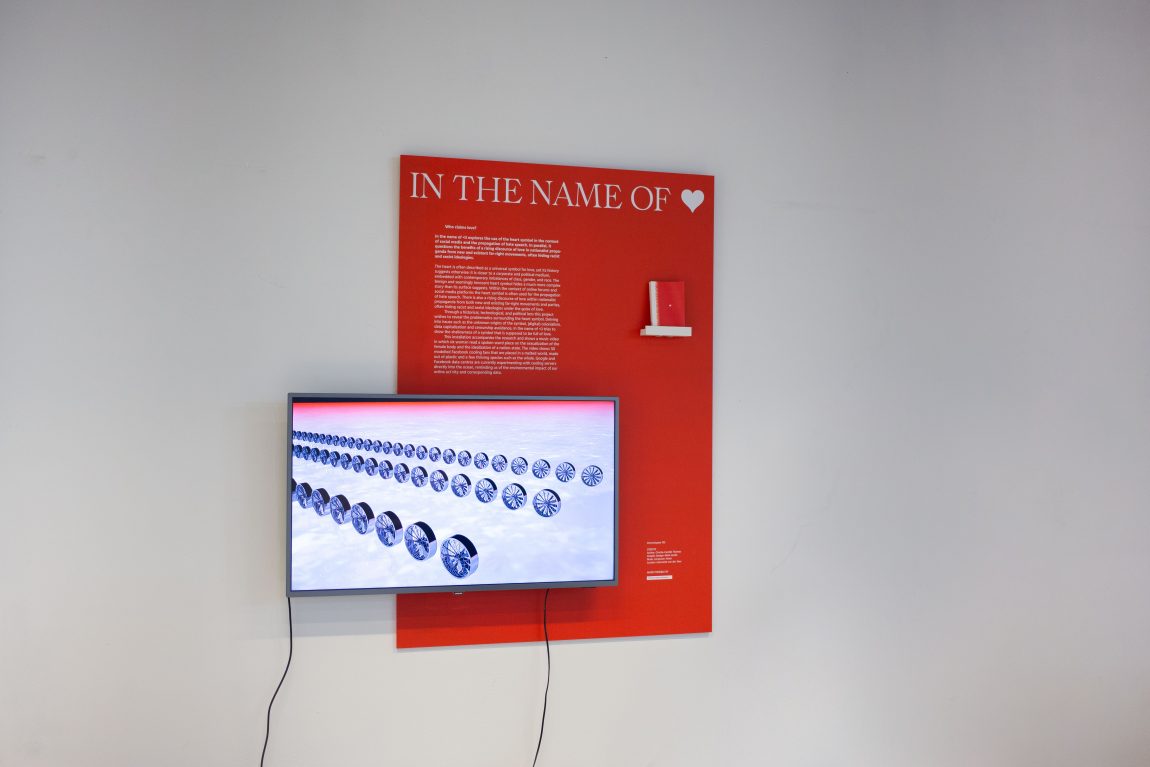
In the Name of <3
– Who claims love ?
Charlie-Camille Thomas
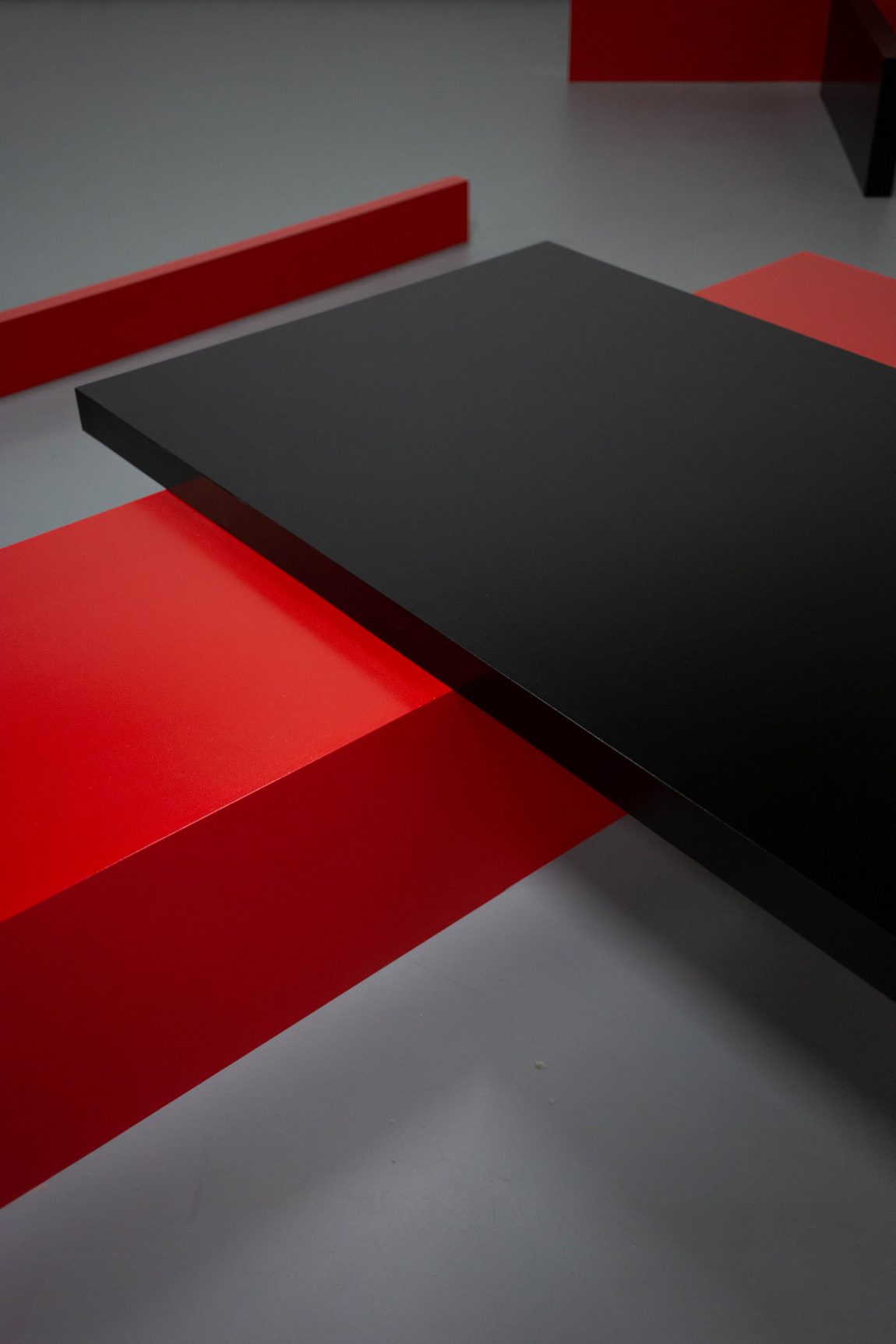
Ode to Construction
Abstraction in the digital age
Polina Joffe
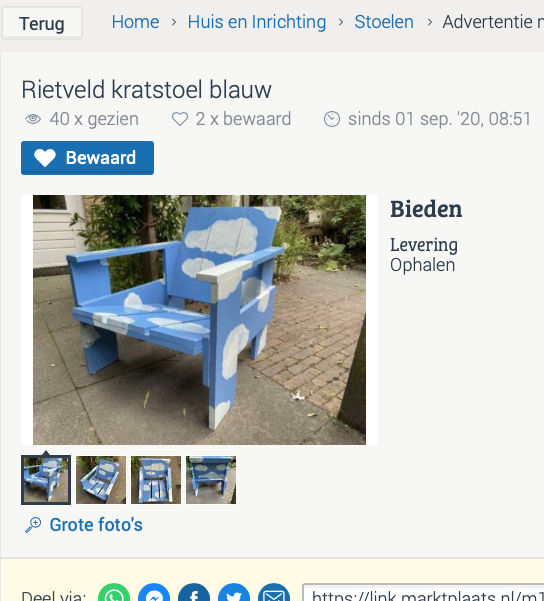
Residency for the People #4
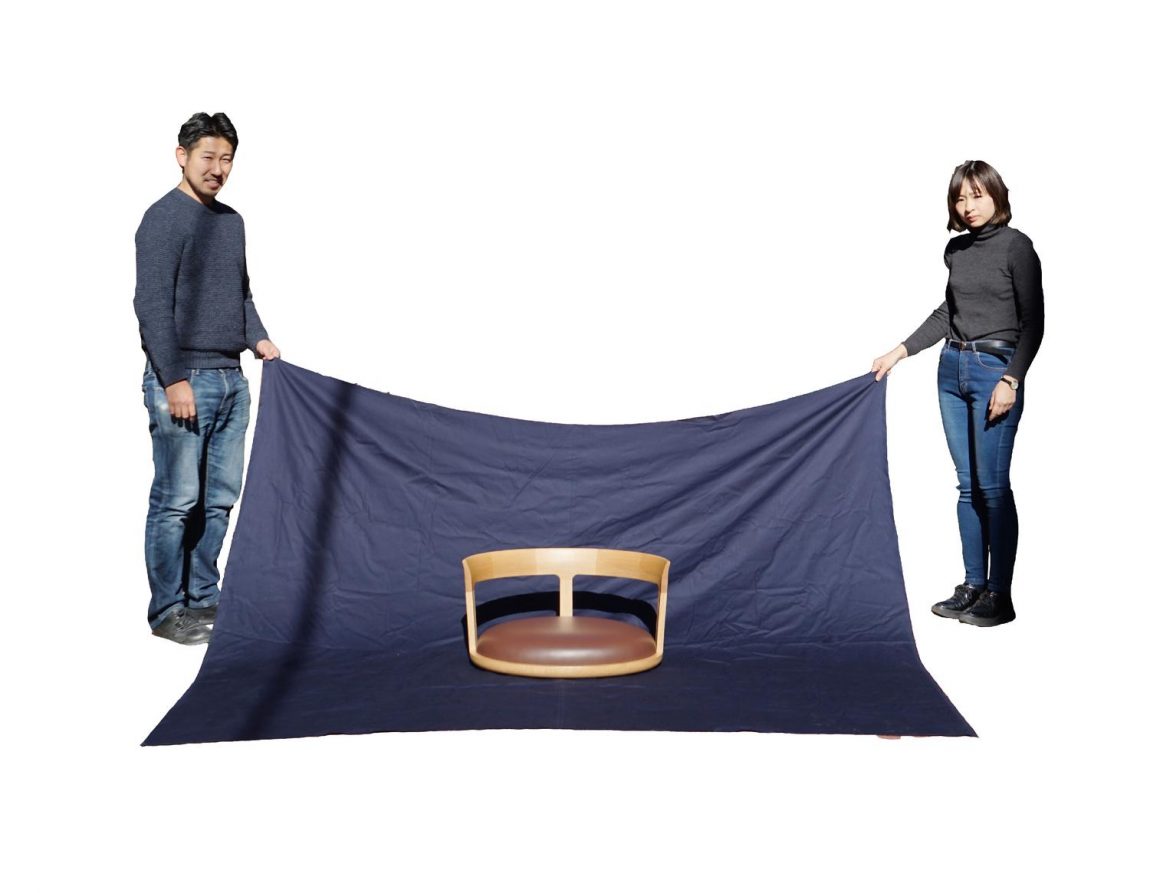
Rietveld by the People (DIY Modernism)
Lucas Maassen
Diagramming fluidity: designing a research method
Floriane Misslin
view project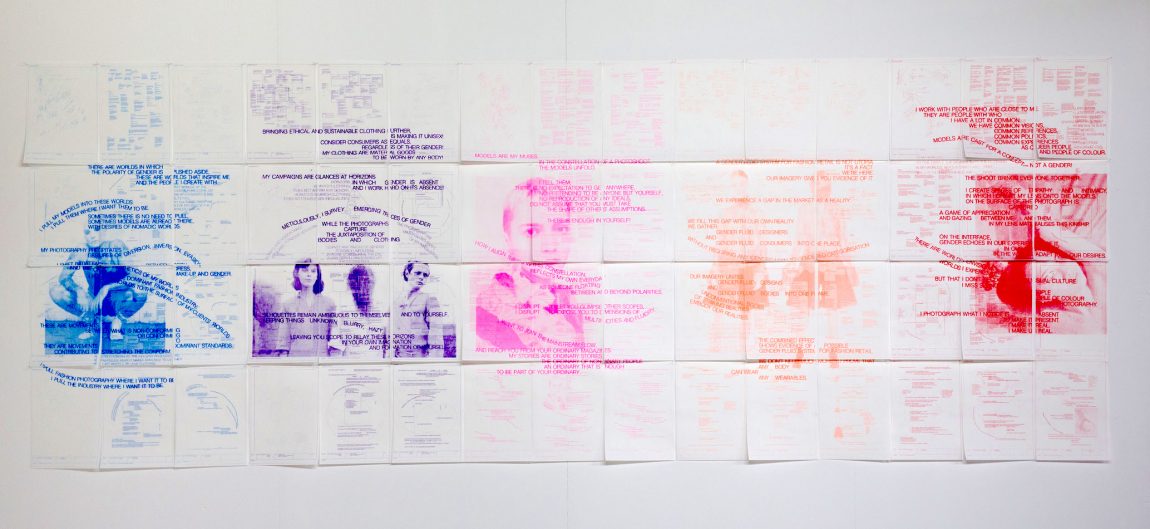
The Phantom of design
Joannette van der Veer
view project
Residency for the People #3
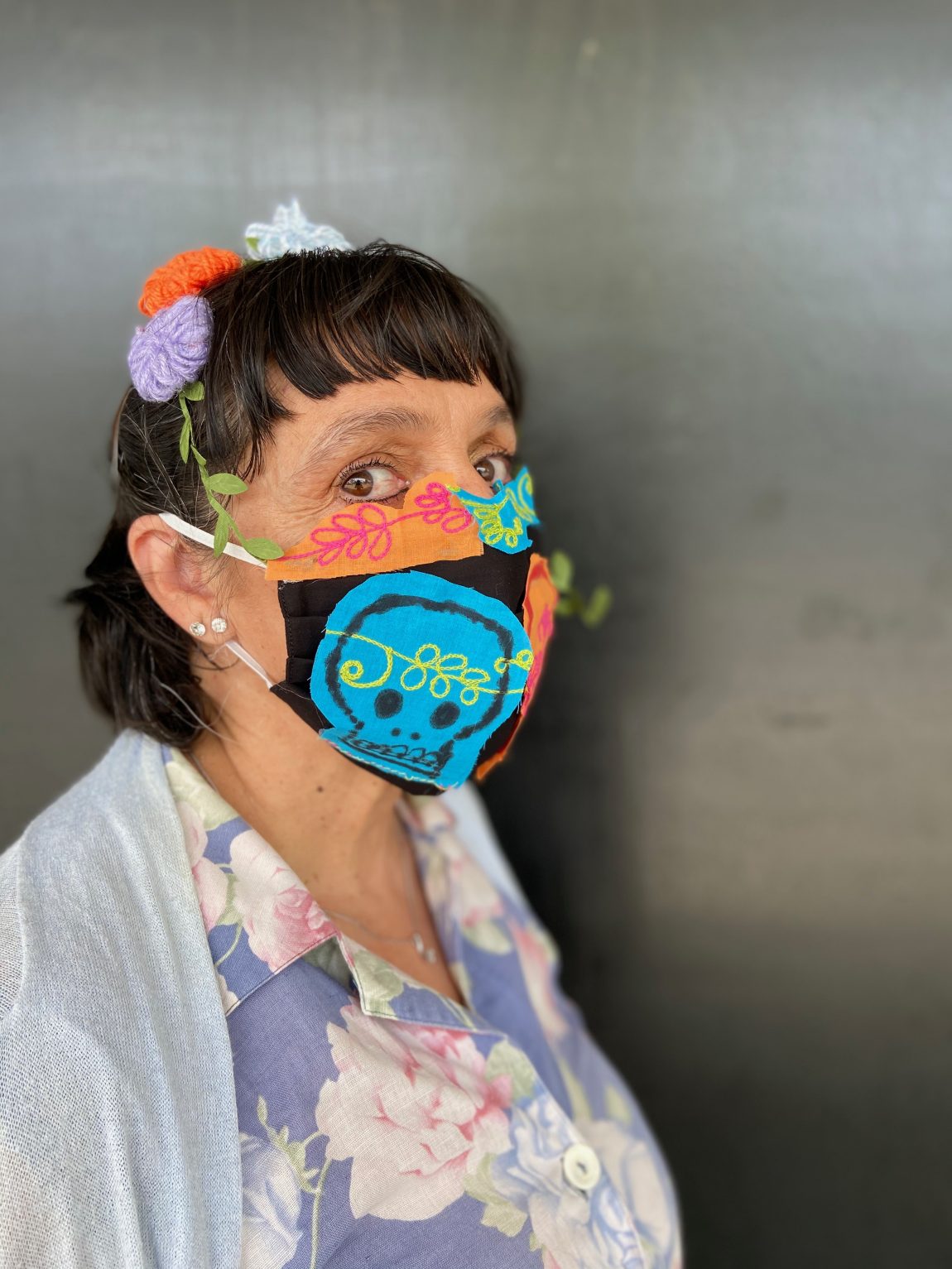
Making Creative Masks
Lucas Maassen (host)
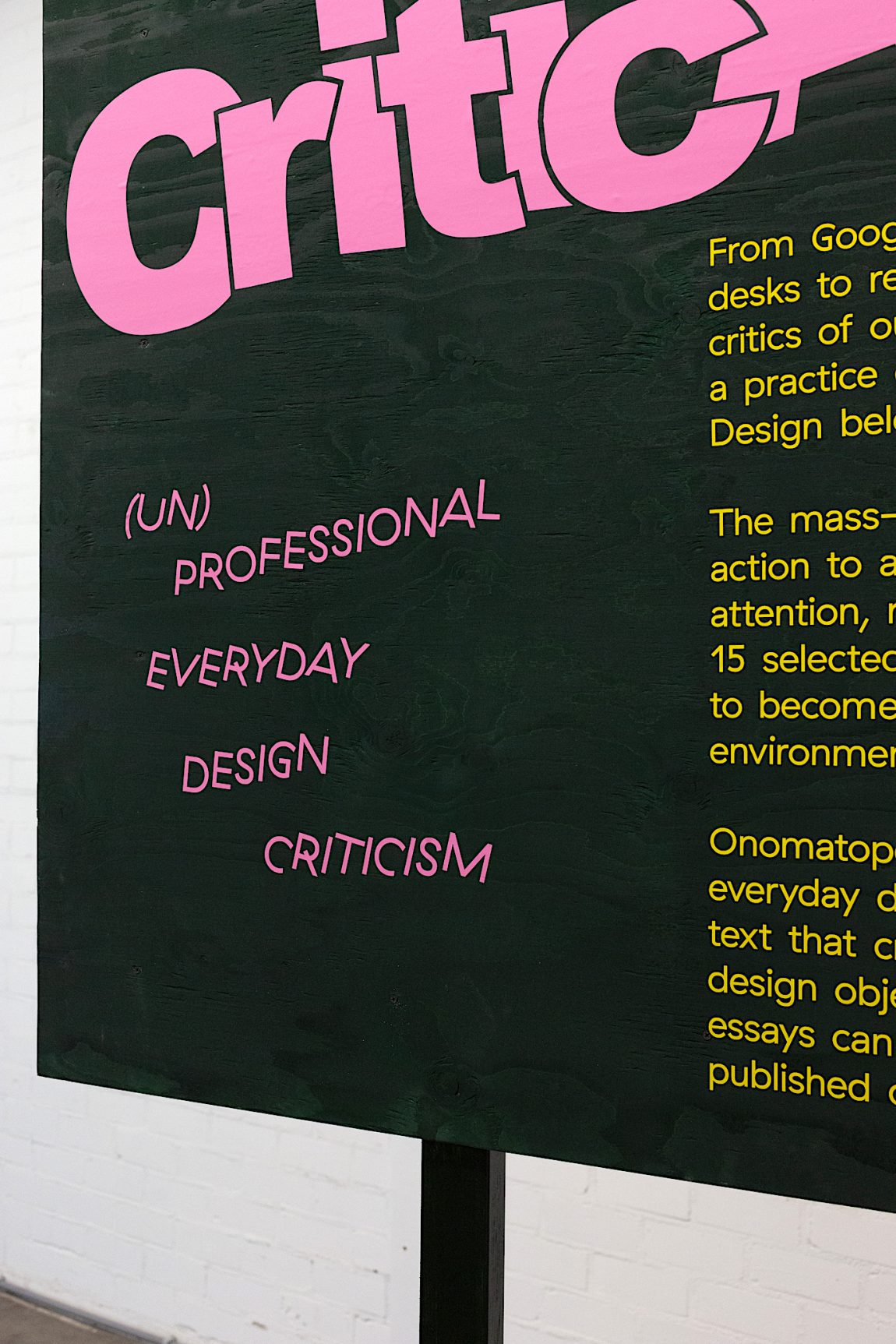
CriticALL!
(un)professional everyday design criticism
Joannette van der Veer Curator / editor
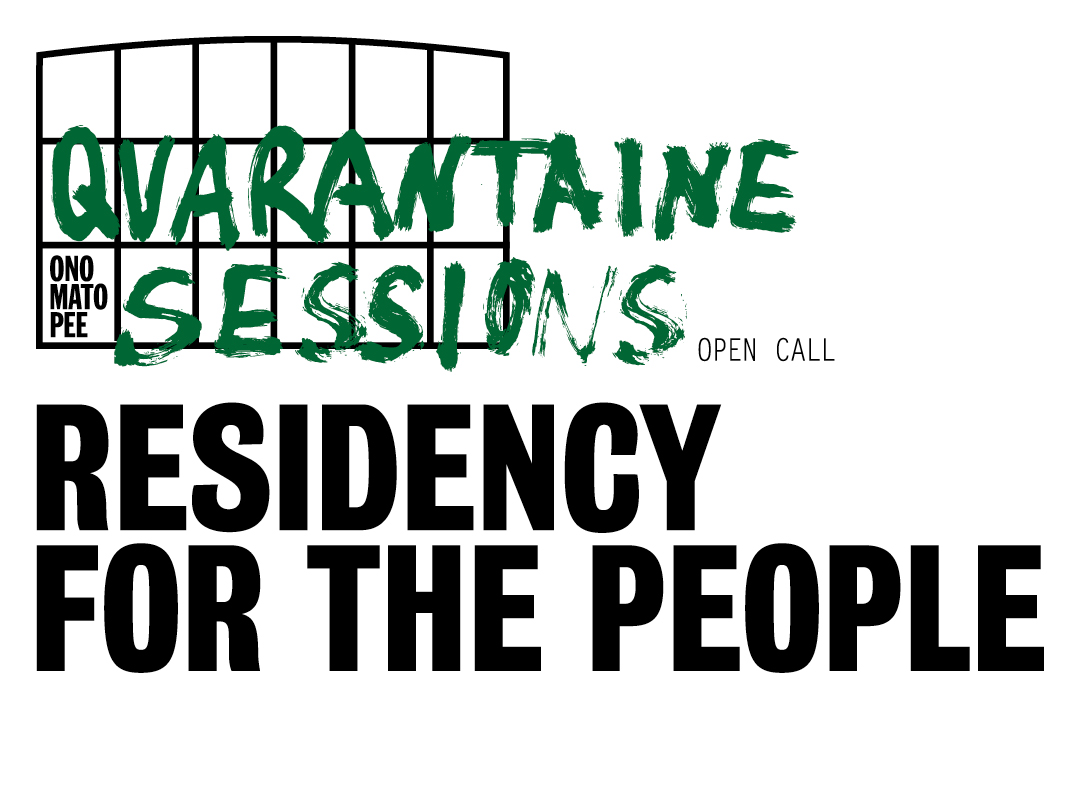
Residency for the People #2
Quarantaine sessions’
Lucas Maassen (host)
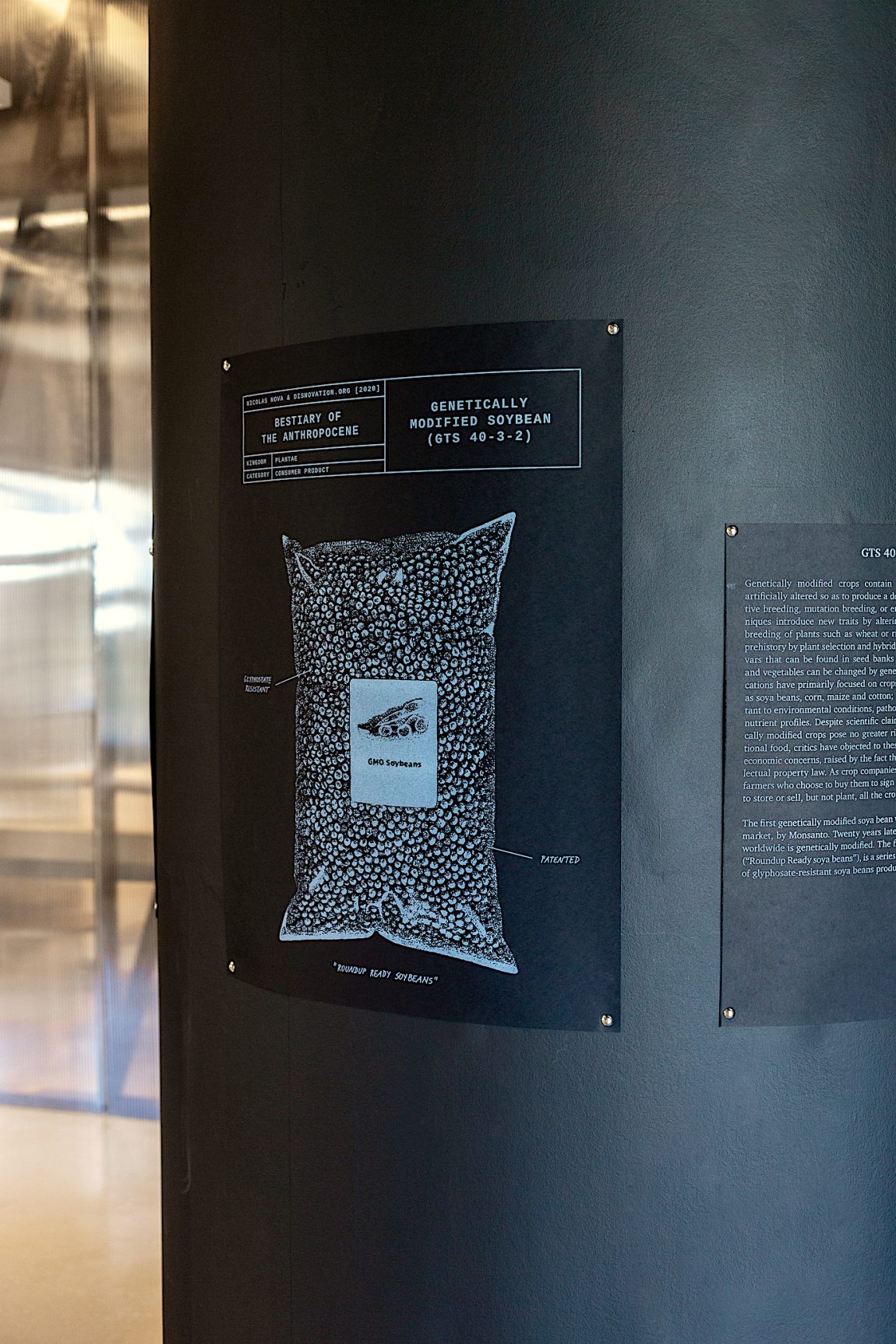
Bestiary
Hybrid plants, animals, minerals, fungi, and other specimens
Nicolas Nova, Maria Roszkowska, Nicolas Maigret (Ed.)
Meeting Grounds Edition Two: Goes Online
(online program (April-June) & physical exhibition( June- August)
Amy Gowen (host)
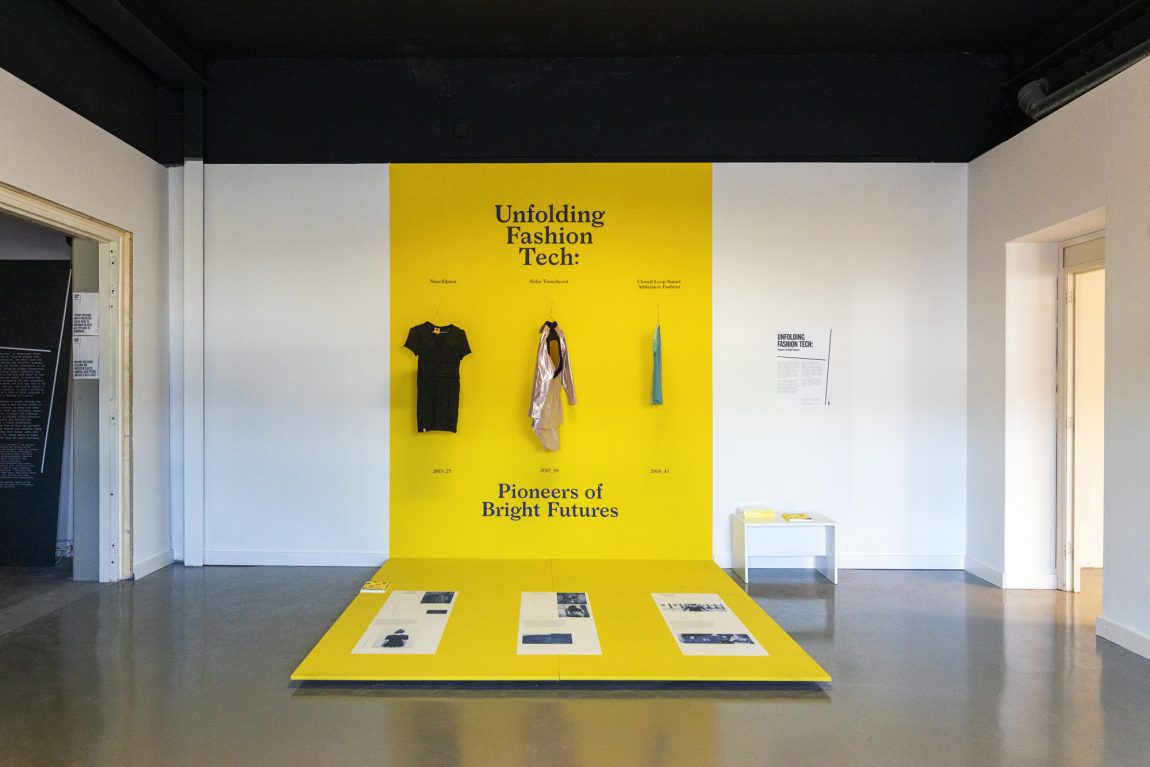
Unfolding Fashion Tech:
Pioneers of Bright Futures
Marina Toeters / by-wire.net
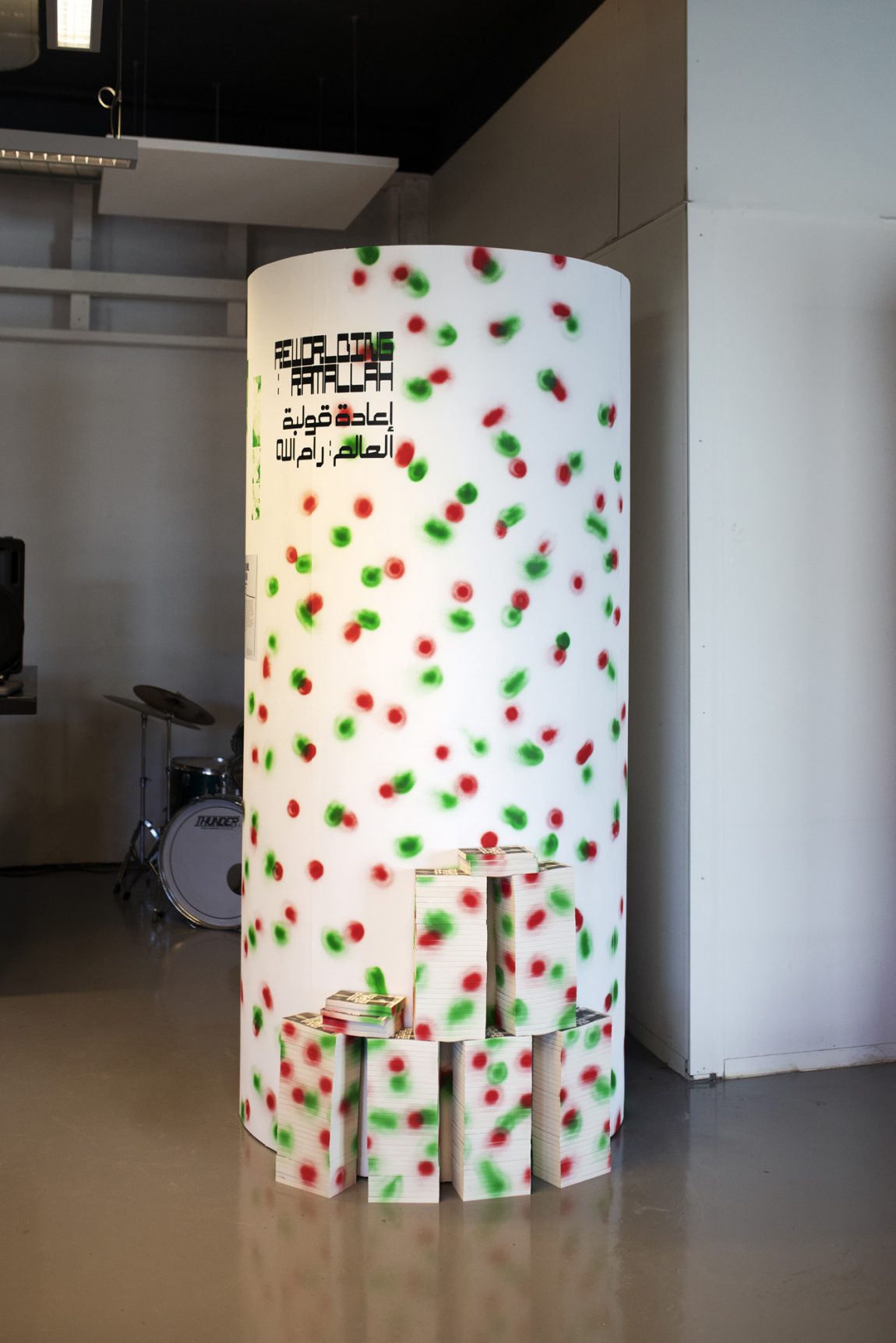
Reworlding: Ramallah
Short Science Fiction Stories from Palestine
Callum Copley (Ed.)
Fiction Practice
prototyping the otherworldly
Mariana Pestana (curator, editor)
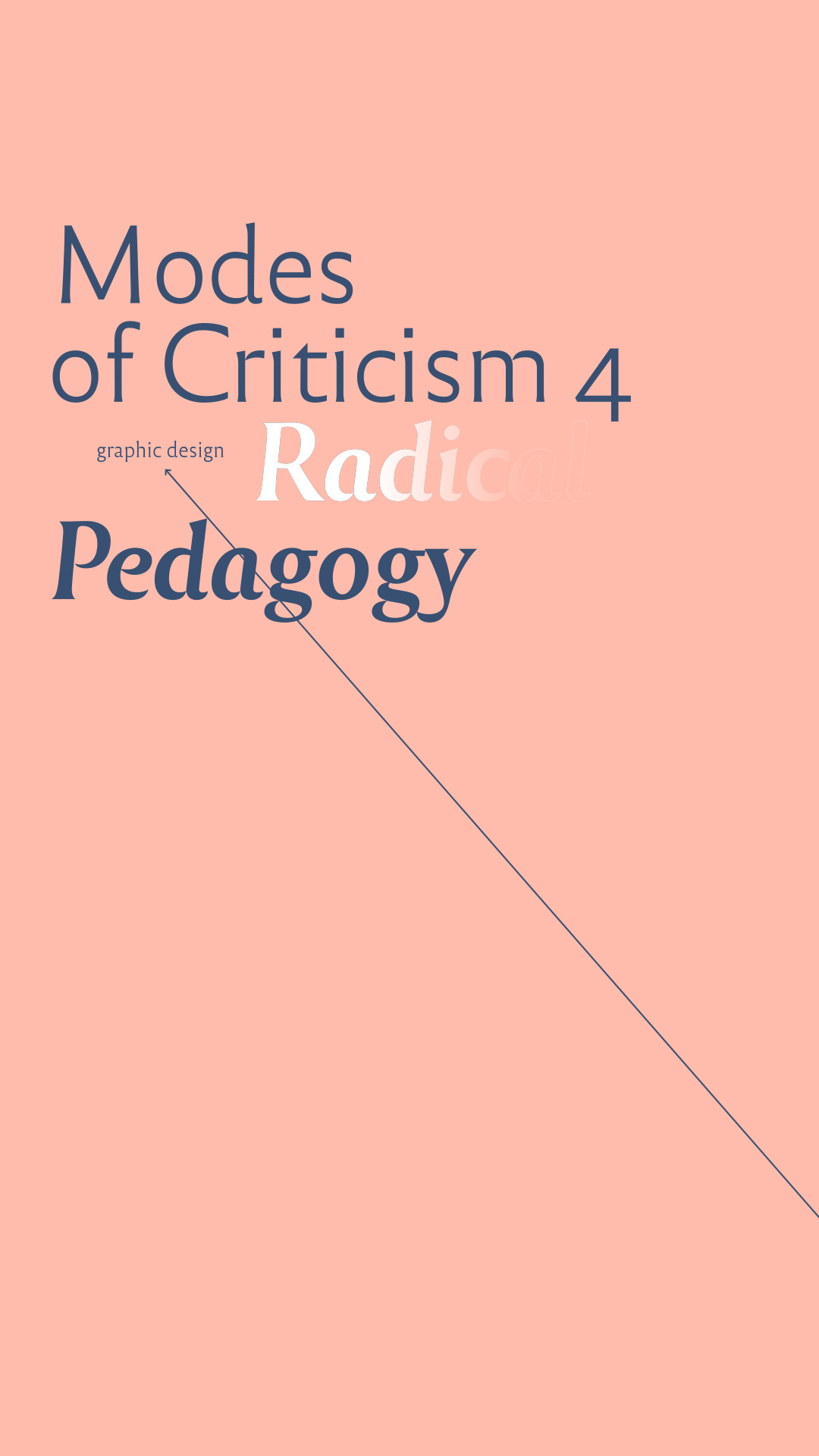
Modes of Criticism #4
RADICAL PEDAGOGY
Francisco Laranjo / Modes of Criticism (Ed.)
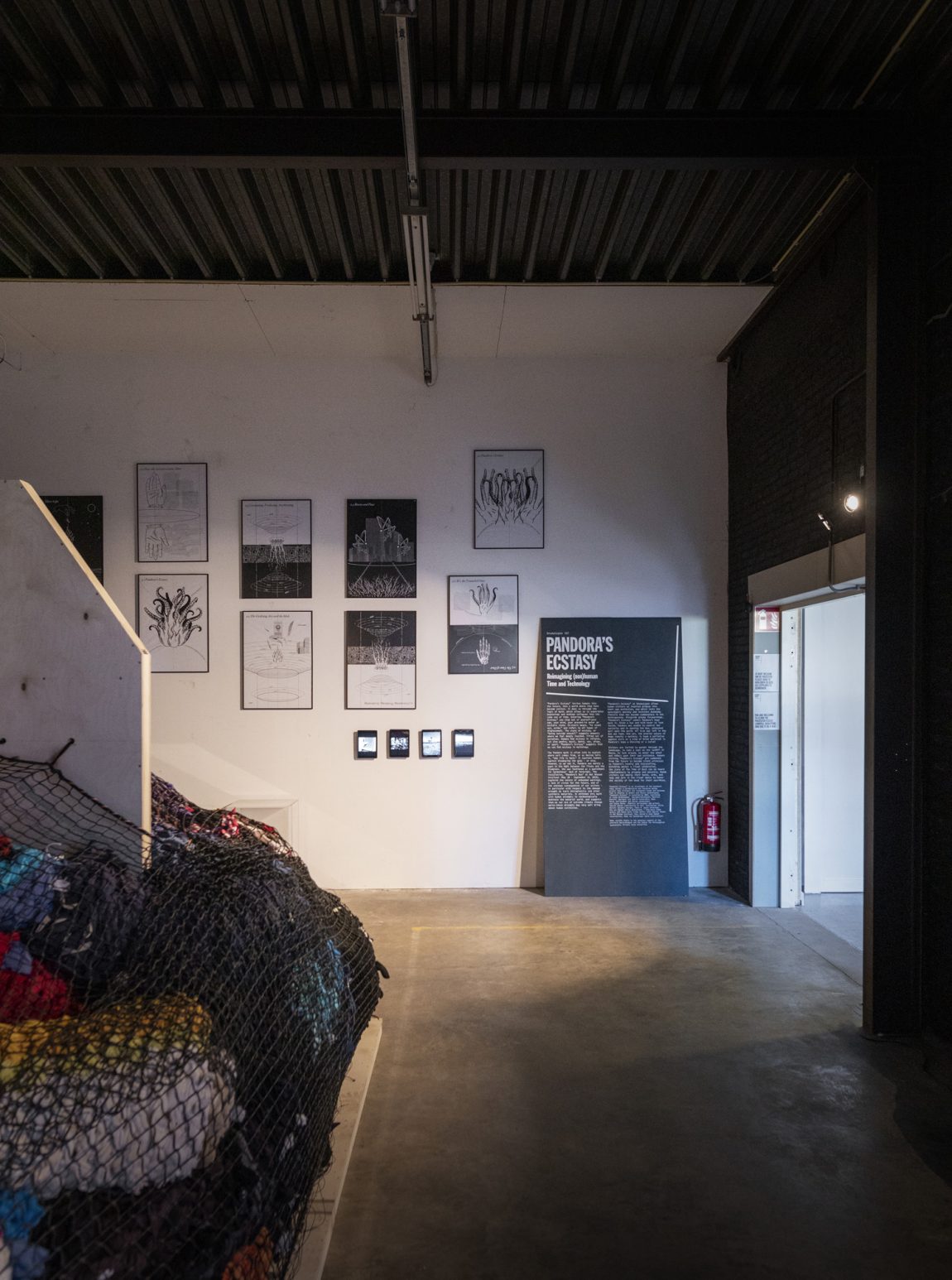
Pandora’s Ecstasy
Reimagining (non)human time and technology
Connie Groenewegen, Maurizio Montalti, Adam Nocek, Stacey Moran
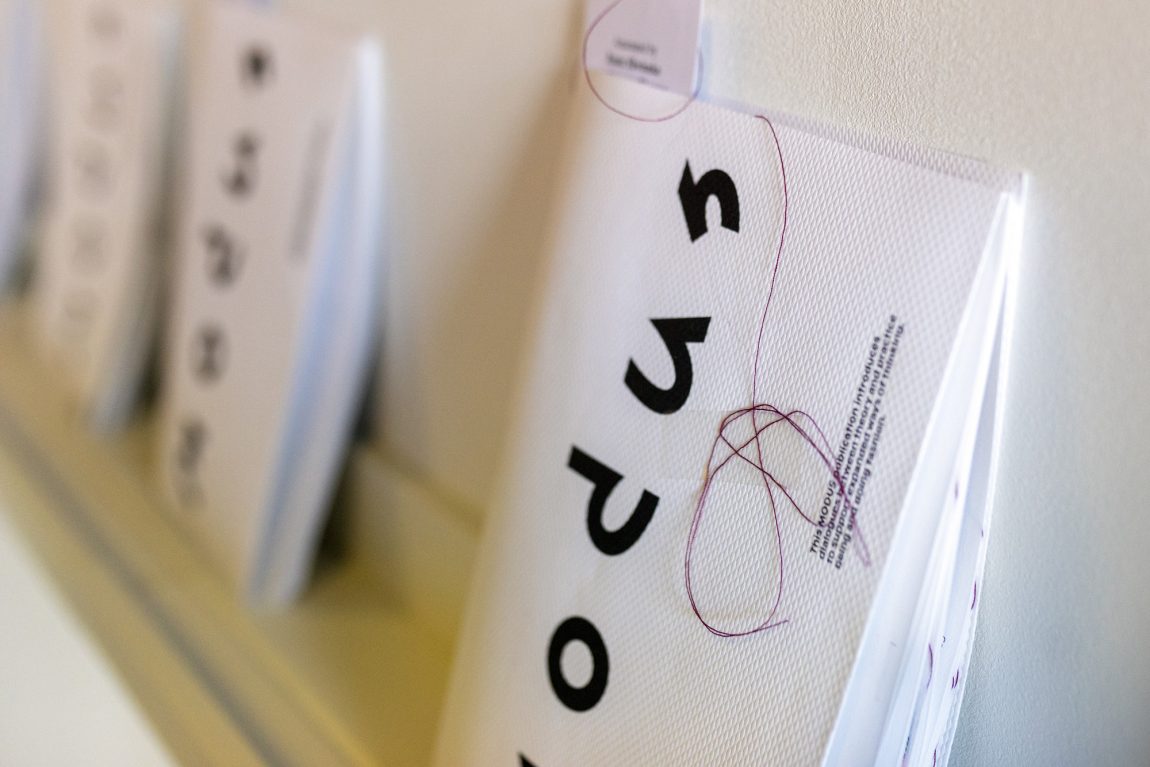
MODUS #2
- annotated
Caroline Stevenson, Ruby Hoette, Roland Brauchli
‘Residency for the People’ #1
- the pilot issue: 'Ridgecrest'
Lucas Maassen (creator)
A Magazine Reader issue 003
Critically dissecting fashion media
Femke de Vries, Hanka van der Voet (Eds.)
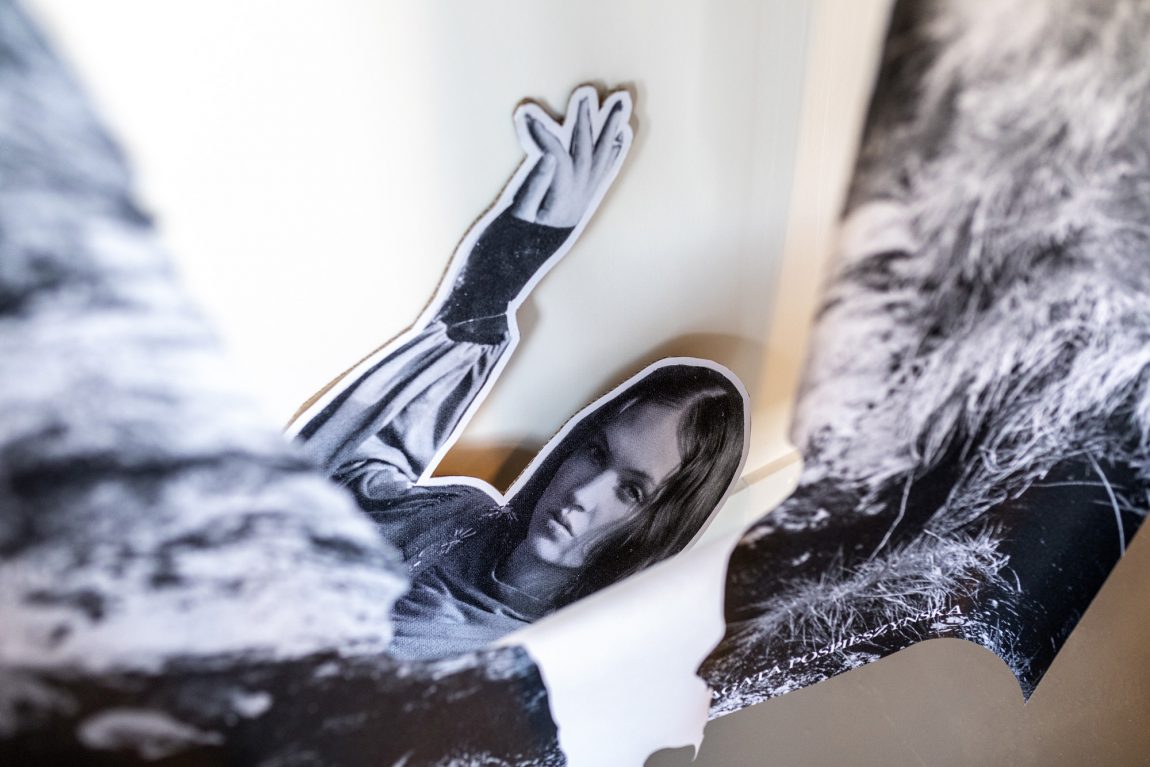
The Great Ephemeral Skin
Body and identity, the erotic and the exotic.
Hadassah Emmerich
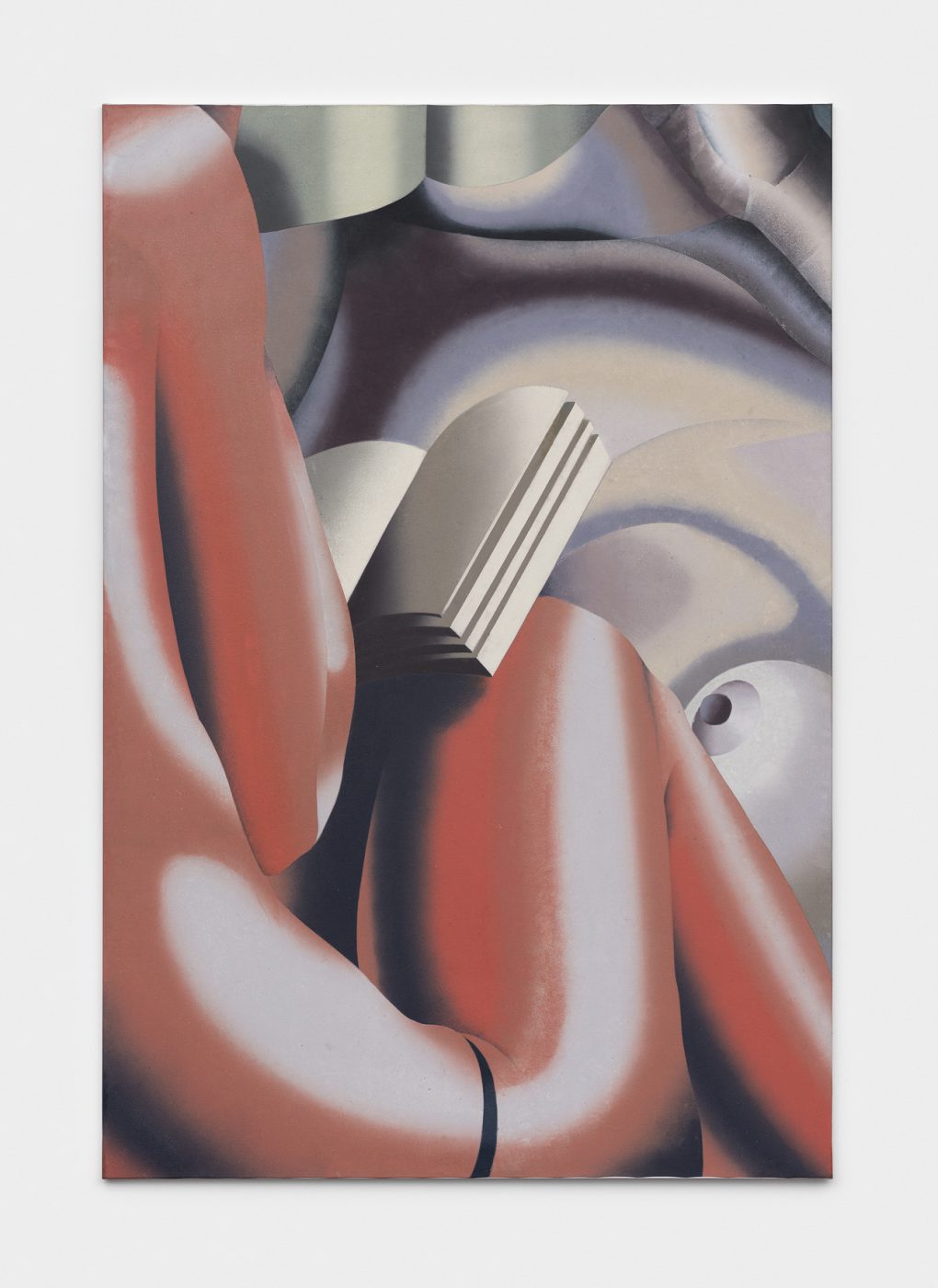
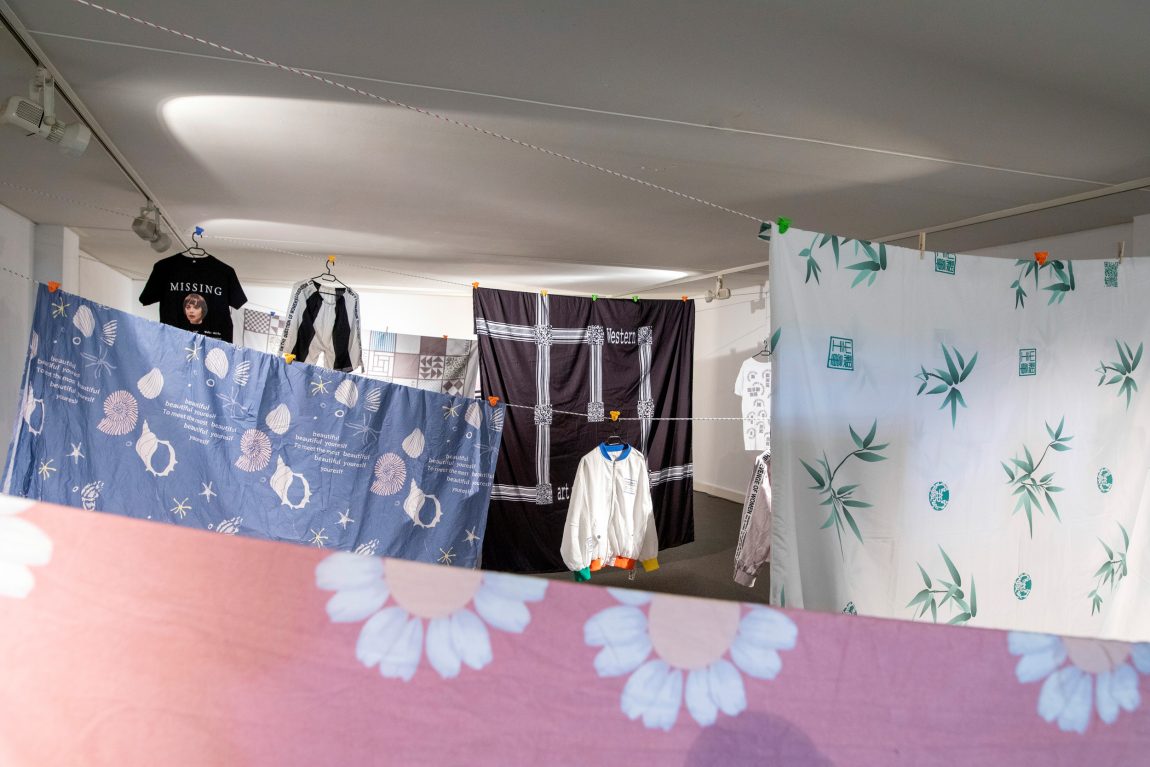
Do or Delegate
Entrepreneurial Means and Precarious Ends
Silvio Lorusso curator/editor
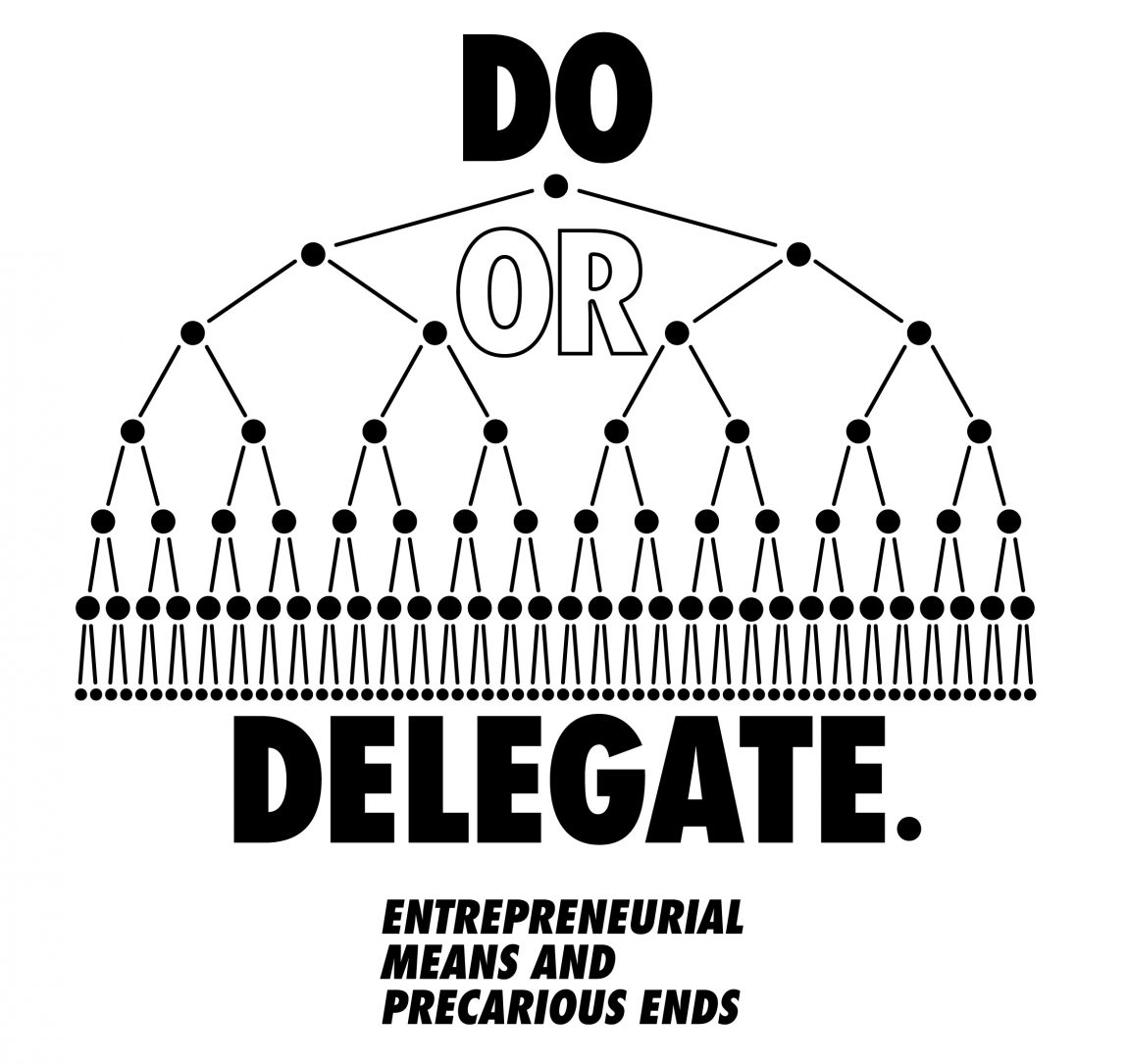
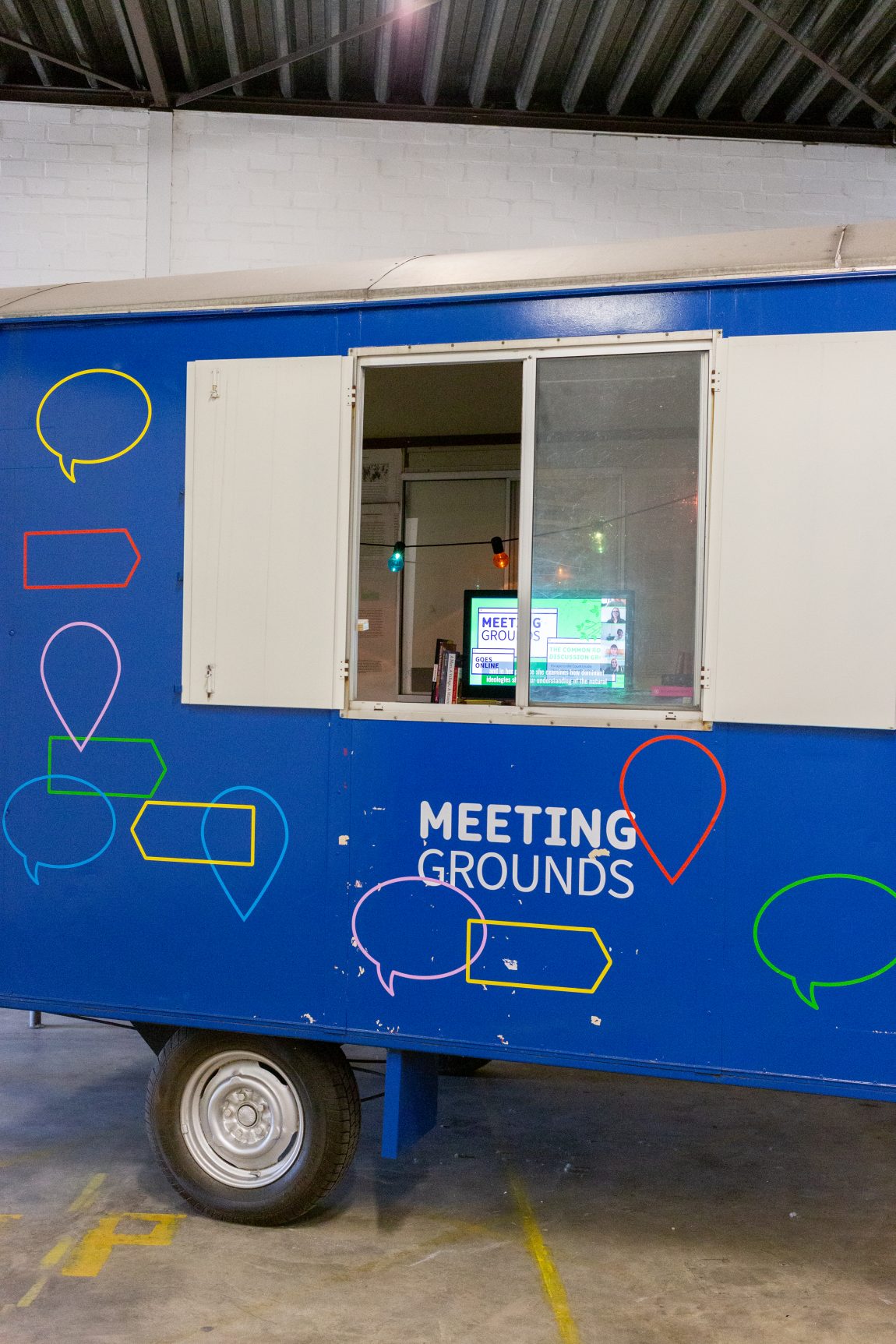
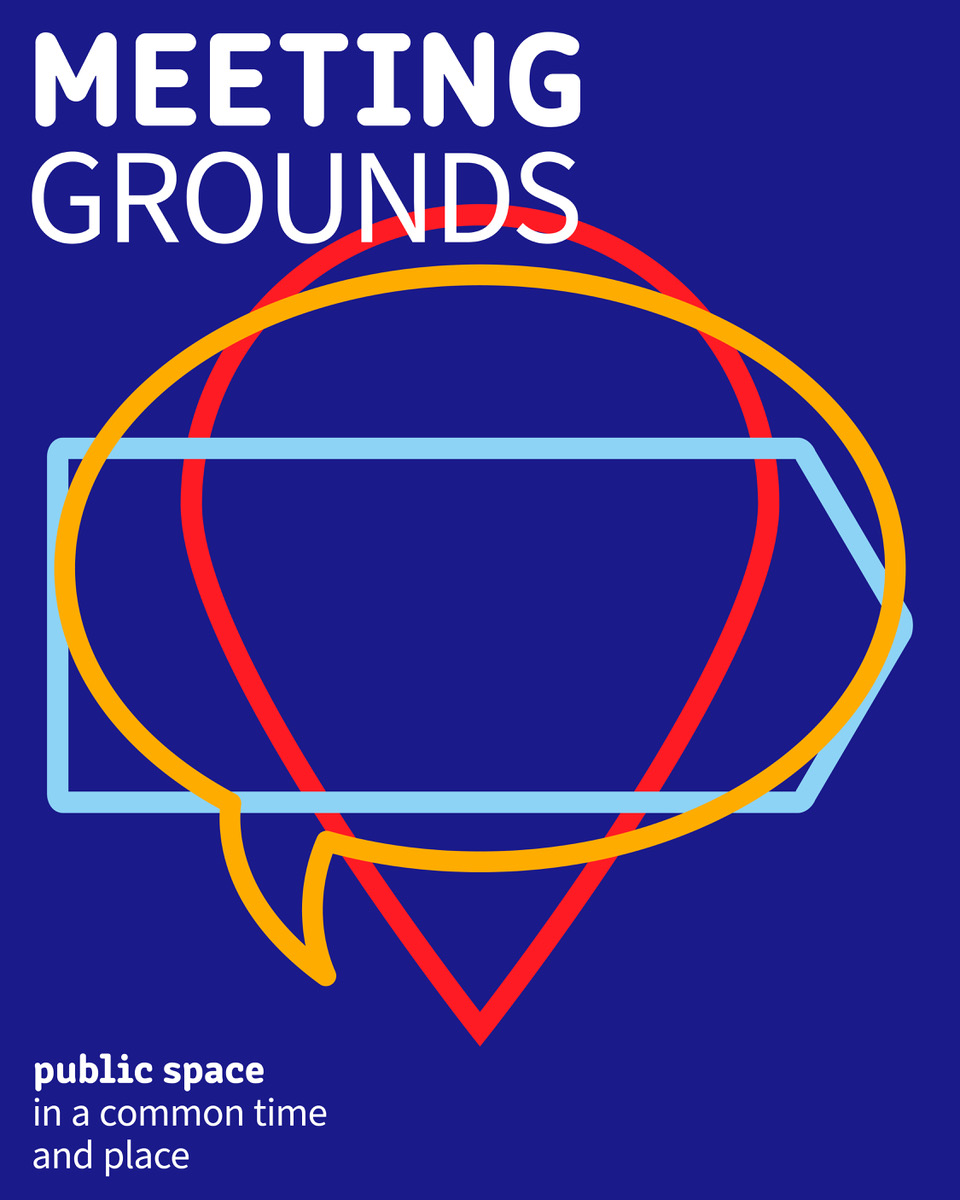
Meeting Grounds
public space in a common time and place
Amy Gowen (curator and editor)
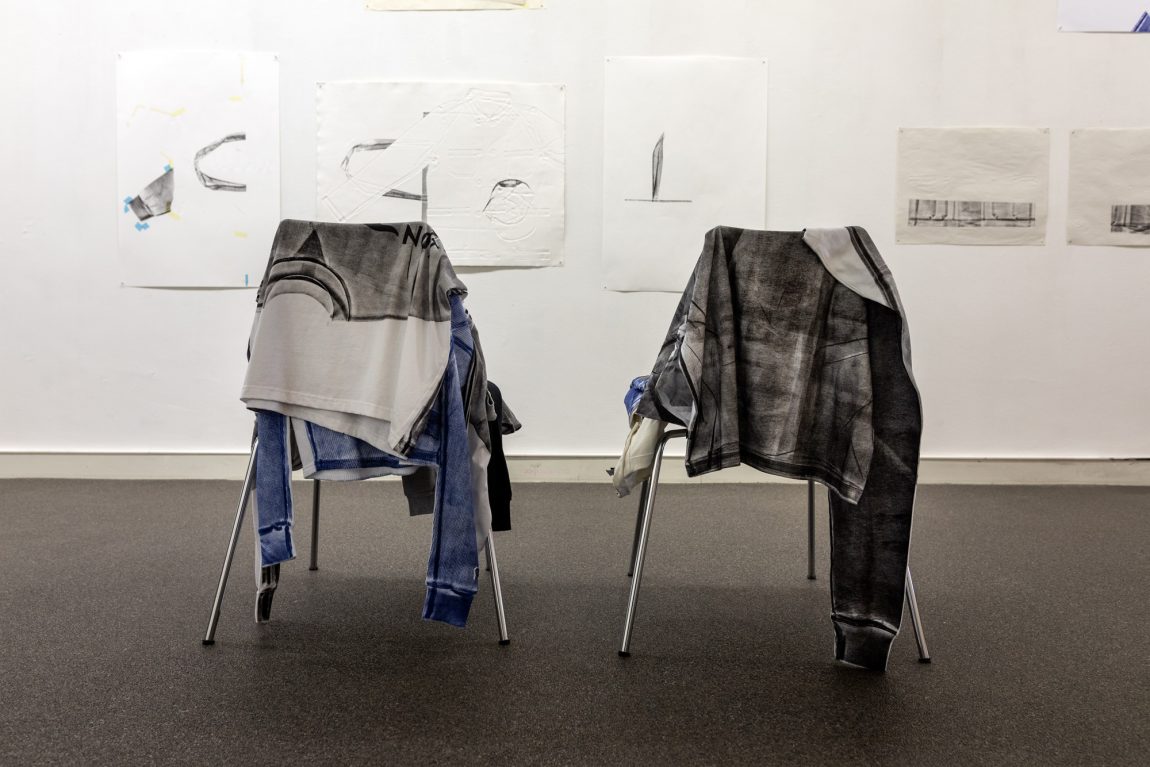
Undo
Presentation One-To-One
Elisa van Joolen
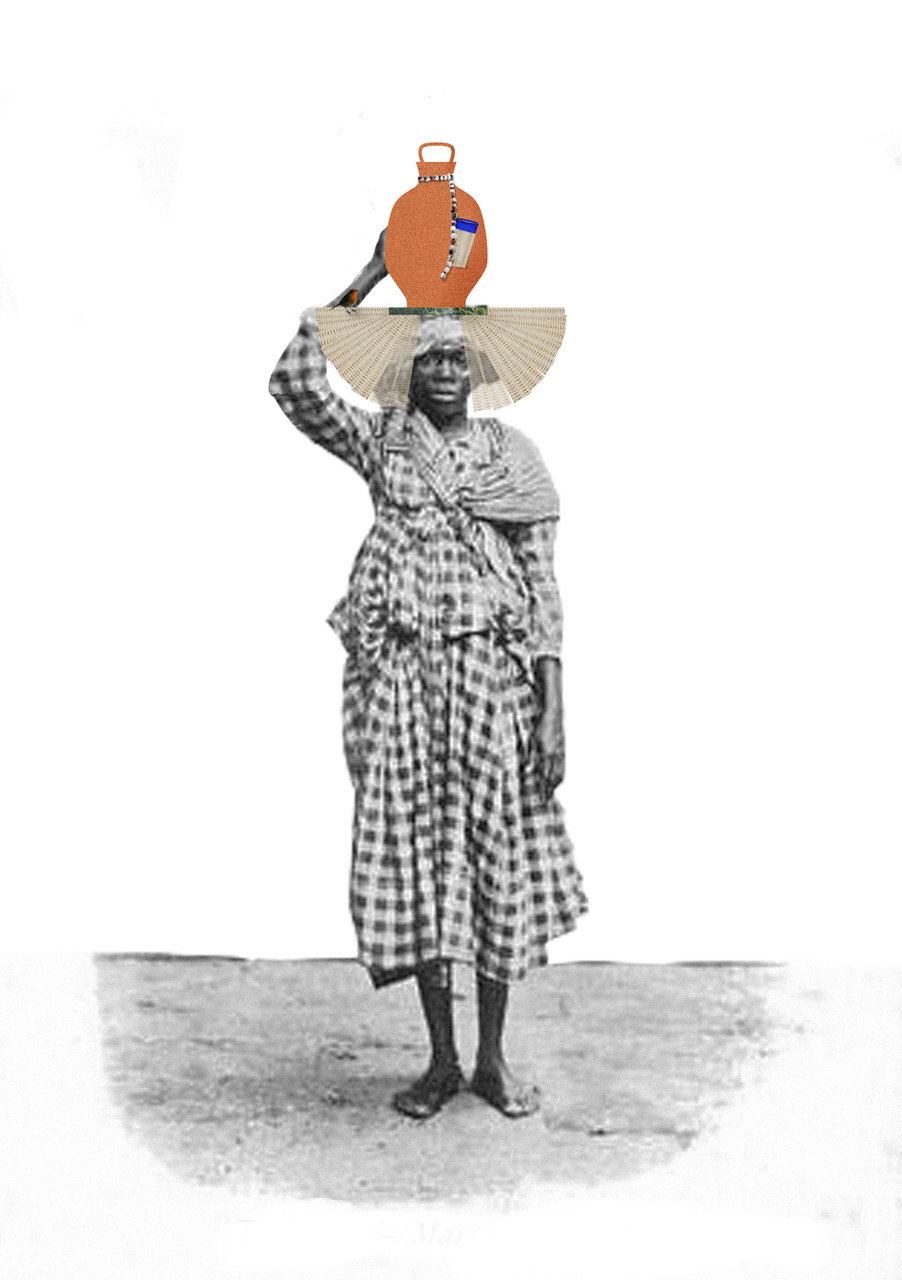
Field Essays - “Éloge Créole” (Creole Praise) by dach&zephir
meandering in the field of decolonial design
Atelier Sophie Krier
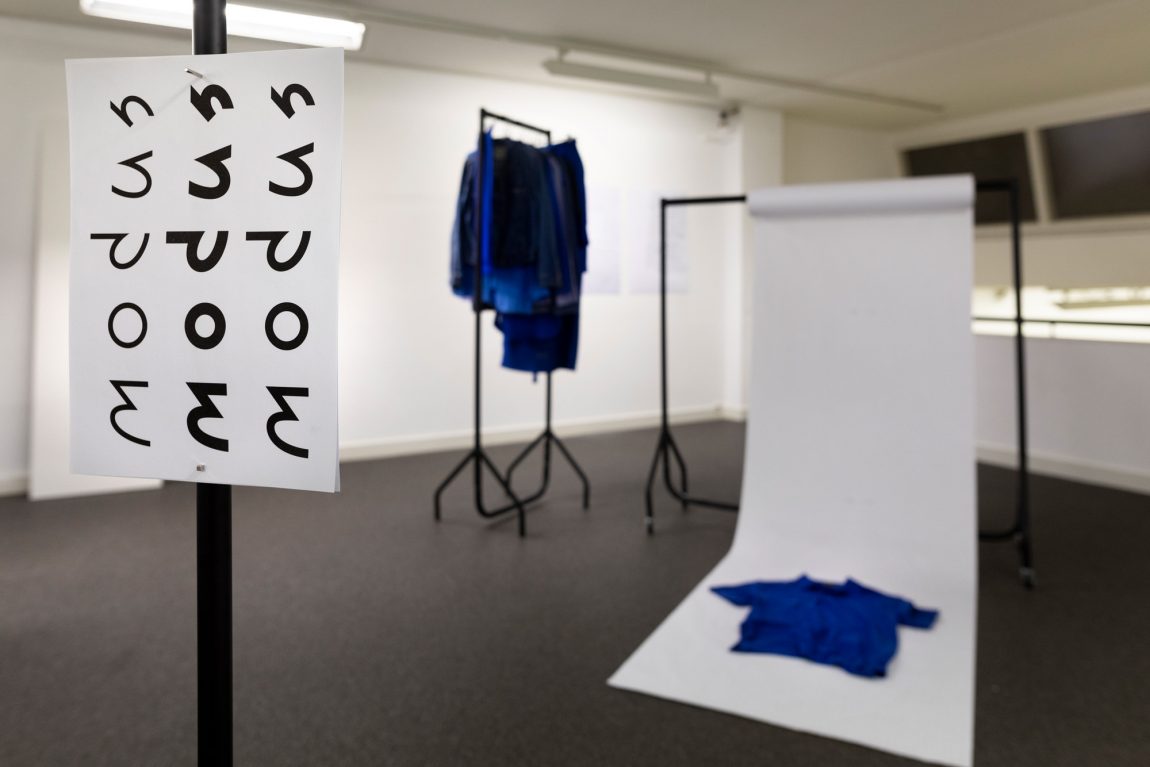
MODUS
a platform for expanded fashion practice
Ruby Hoette, Caroline Stevenson, Roland Brauchli
Tales from a technocratic city
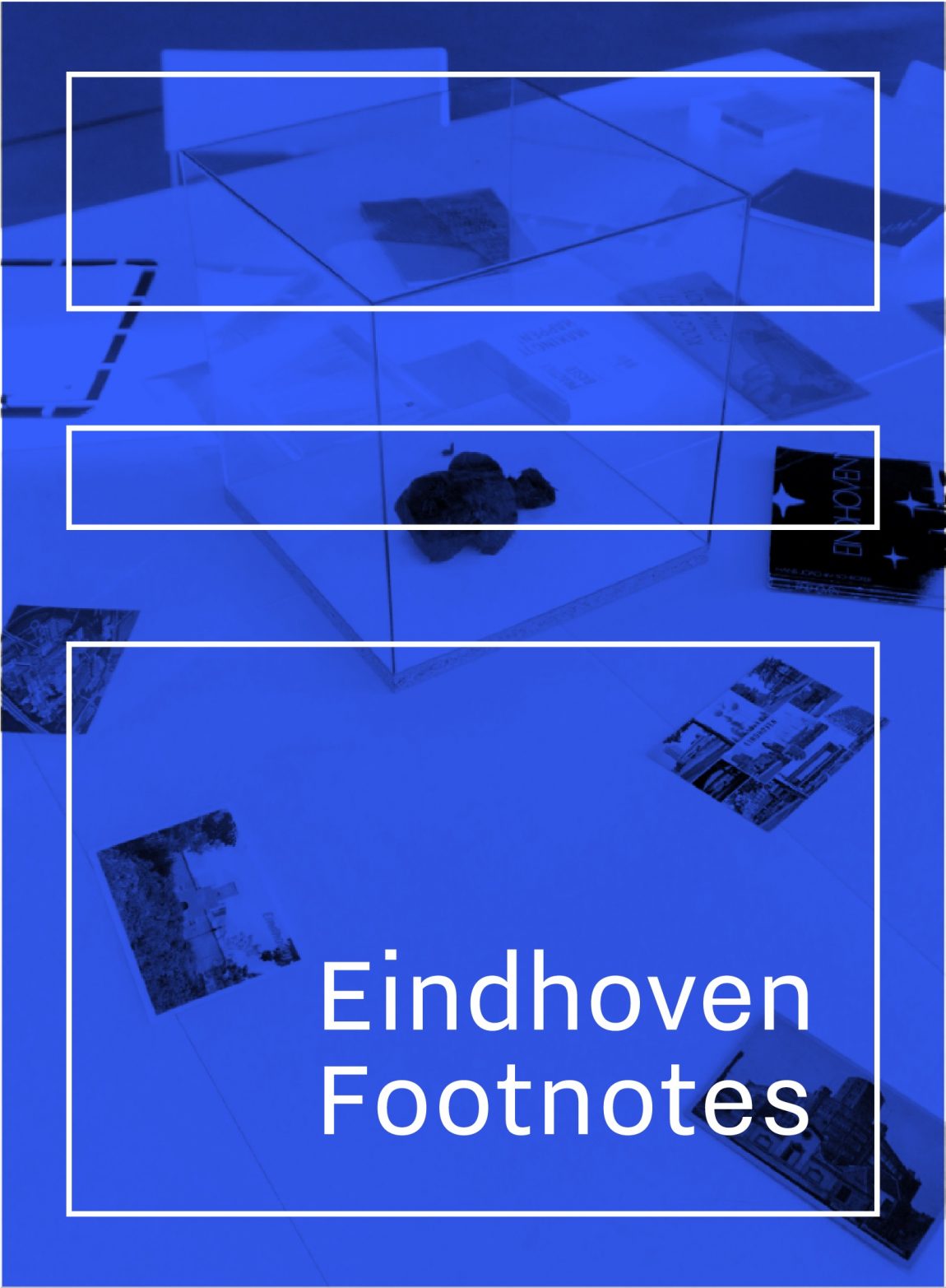
EINDHOVEN FOOTNOTES (2018-2019): an open source tool that acts both critically and speculatively while tracing the presence of technology in our smart city.
Josh Plough
Decoding Dictatorial Statues
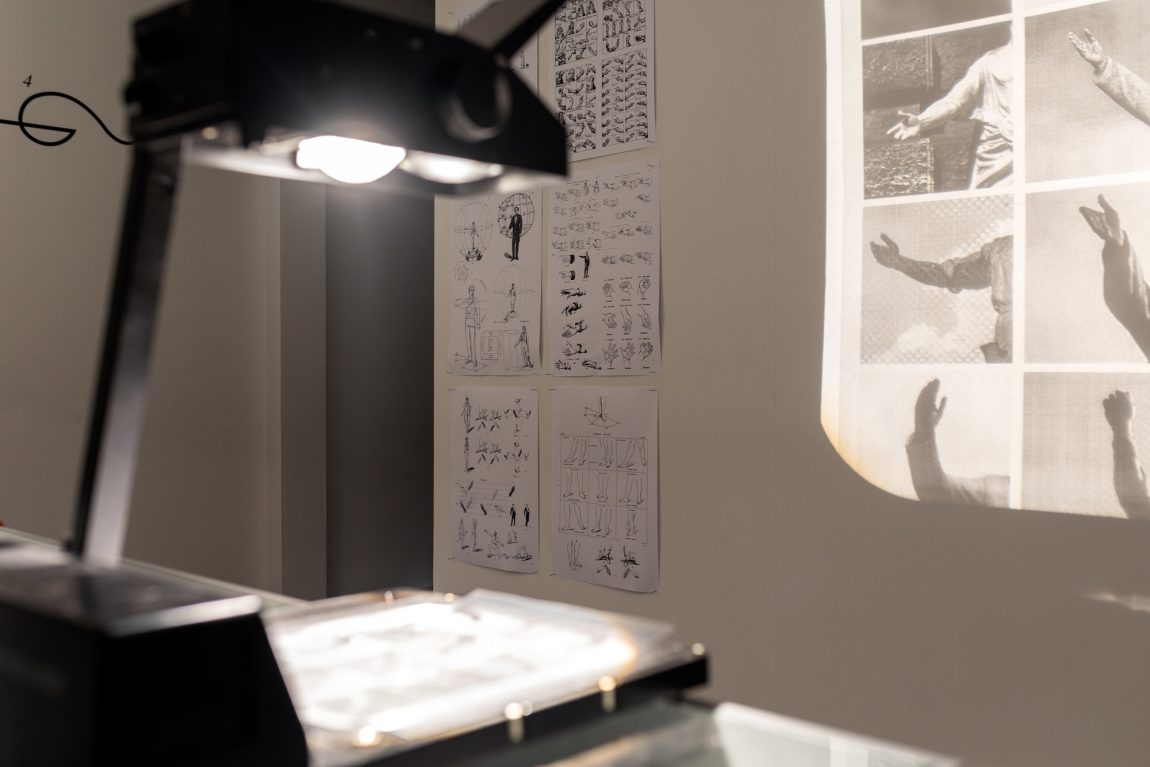
Notes on Gestures
Ted Hyunhak Yoon
There is Nothing Connected, Nothing Distinct
Esther Venrooy
view project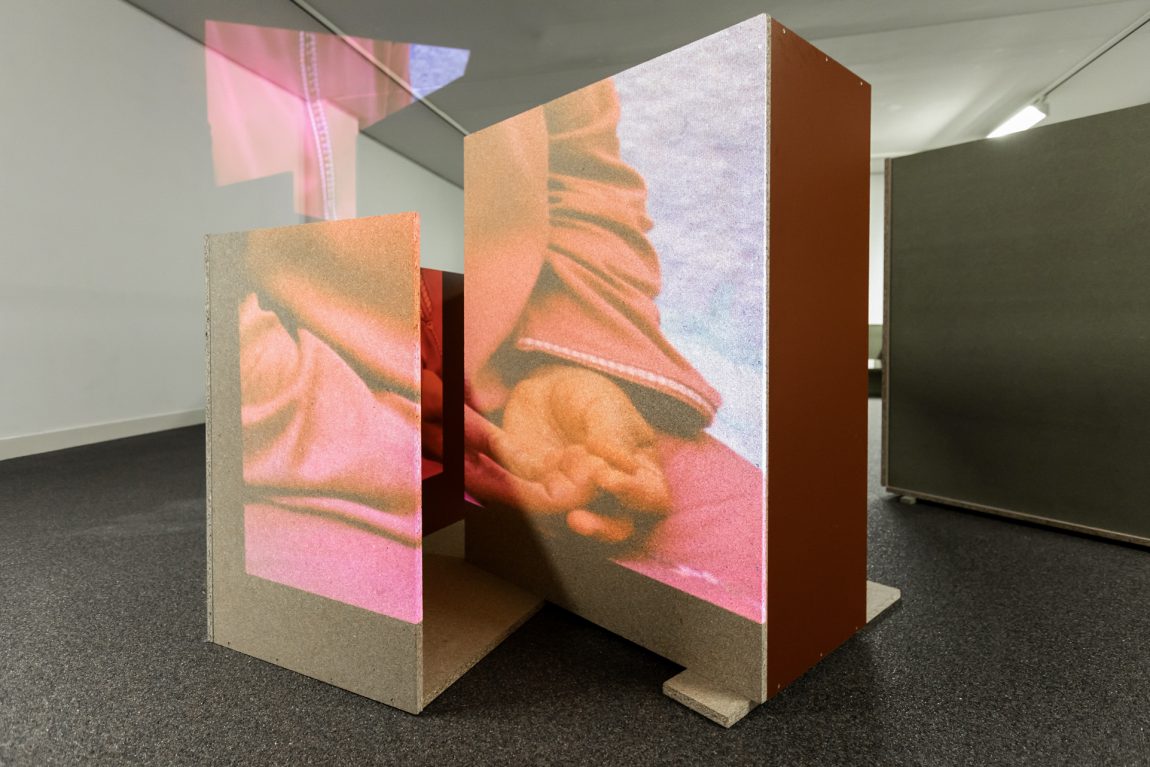
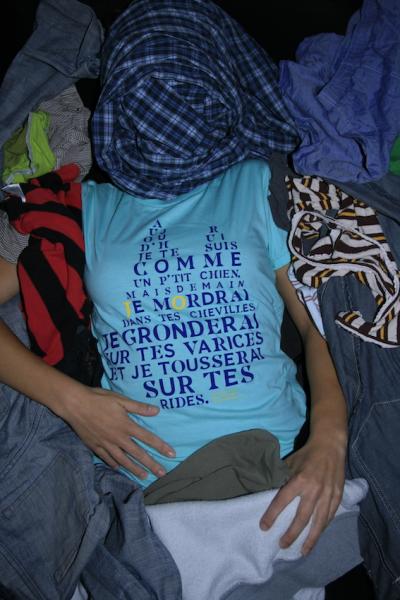
’Vandaag volg ik je als een puppy maar morgen...’ shirt
view project
Art book fairs
Past, present and future art book fairs joined by Onomatopee's publishing house.
The Trouble with Value
Kris Dittel (curator)
view project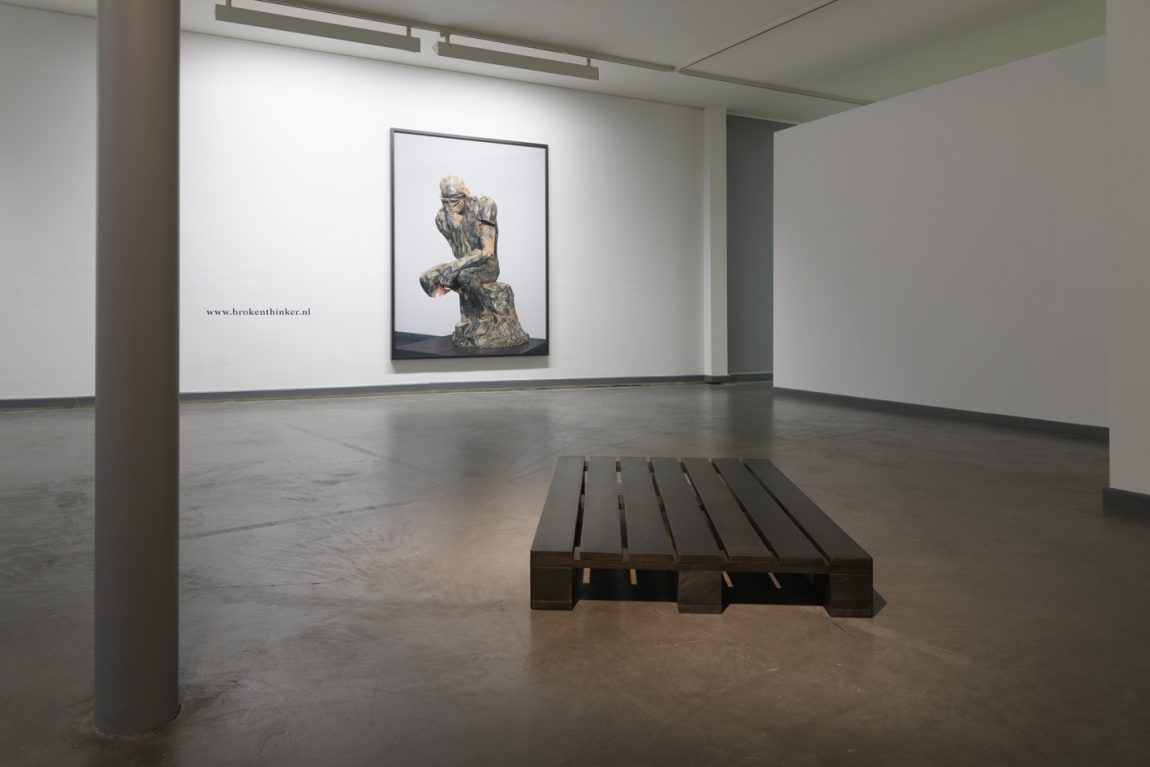
The Standard Book of Noun-Verb Exhibition Grammar
Niekolaas Johannes Lekkerkerk / The Office for Curating
view project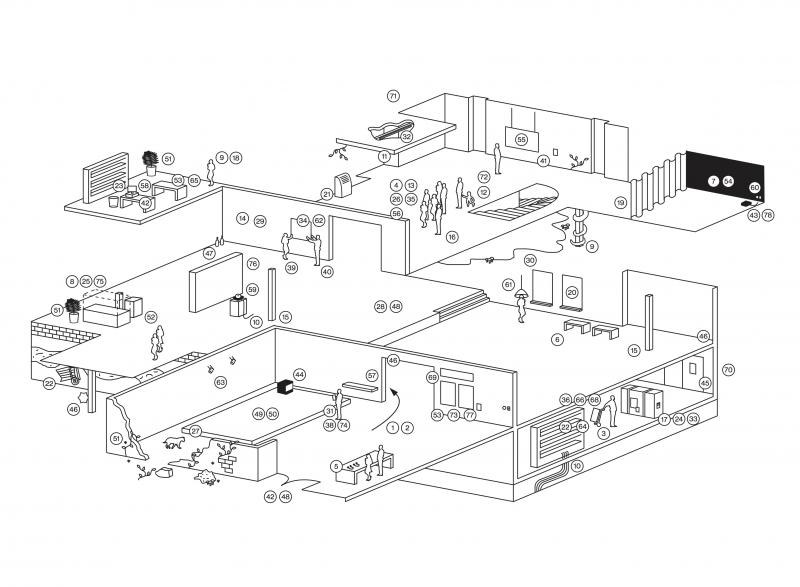
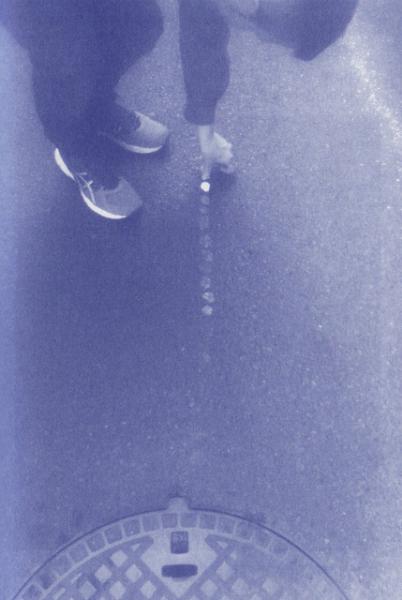
Move Along
Instruction manual for open ended games, actions and interventions to untrain the body and recondition space.
Hello world!
THE TRUE MEANING OF S.M.H.
metal motherhood
Grete Johanne Neseblod
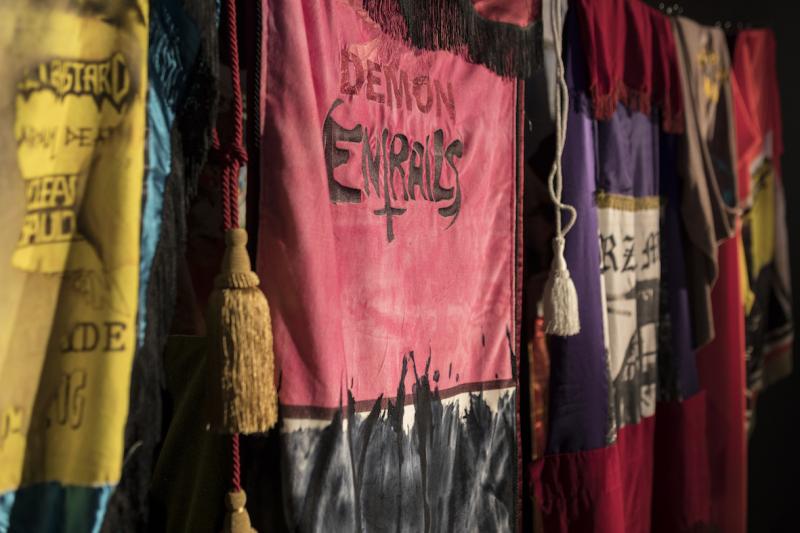
People are nowhere near so fluid
Sense & Sensibility 4: Janina Frye
Hello world!
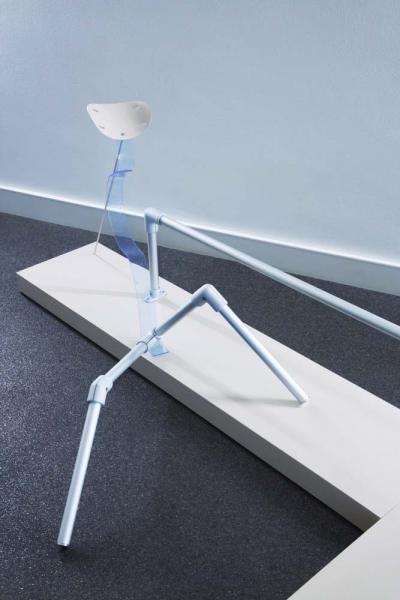
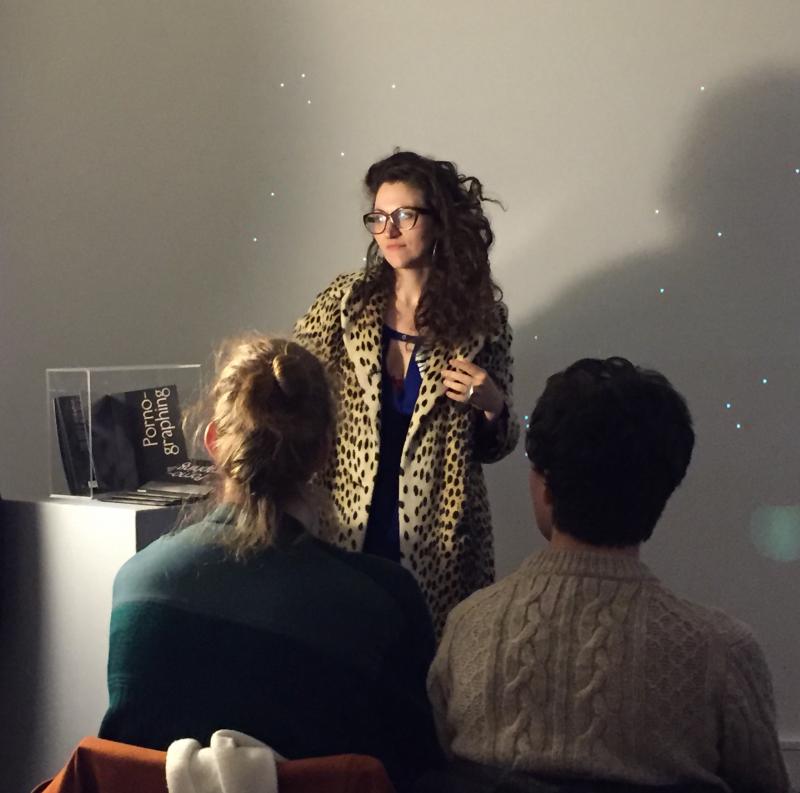
Porno-graphing
what do ’dirty’ subjectivities do to art?
AnnaMaria Pinaka
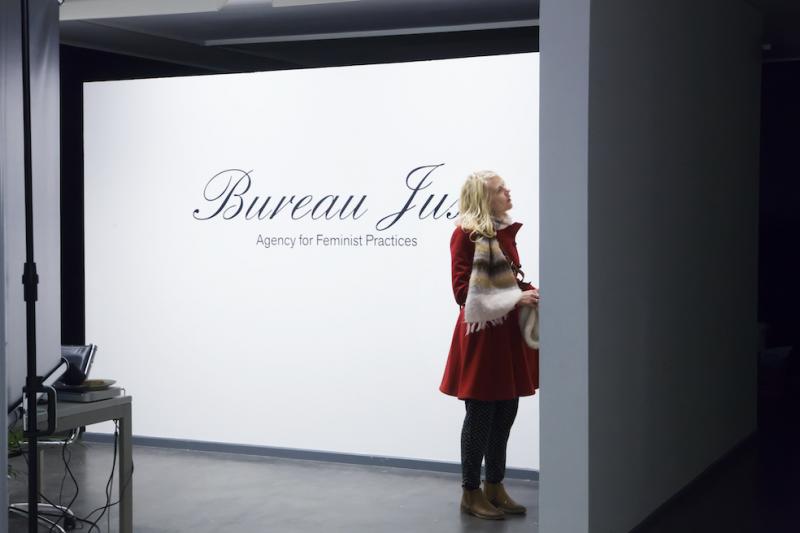
Bureau Just
Sense & Sensibility 3: Agency for Feminist Practices.
Hello world!
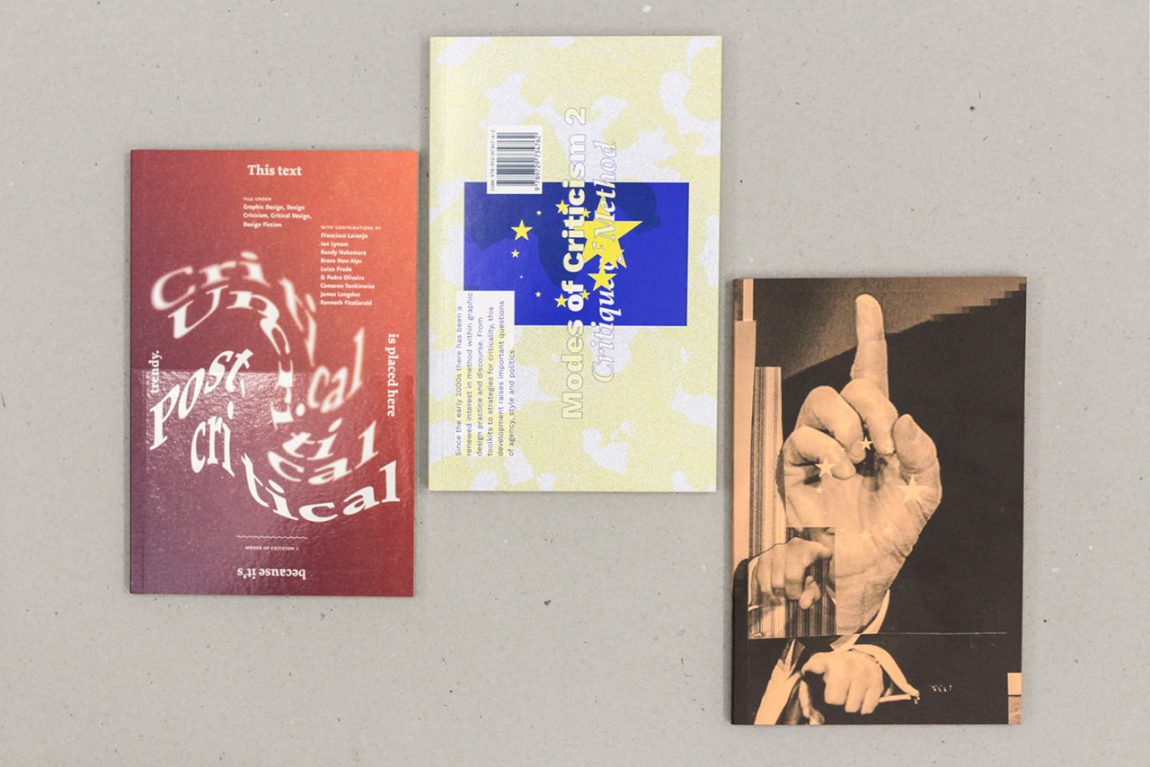
Modes of Criticism
a design criticism journal + public program at Onomatopee
Francisco Laranjo / Modes of Criticism (Ed.)
SENSE & SENSIBILITY
What a girl wants – what a girl needs
Pernilla Ellens (curator)
Evidence of very recent past
Hello world!
view project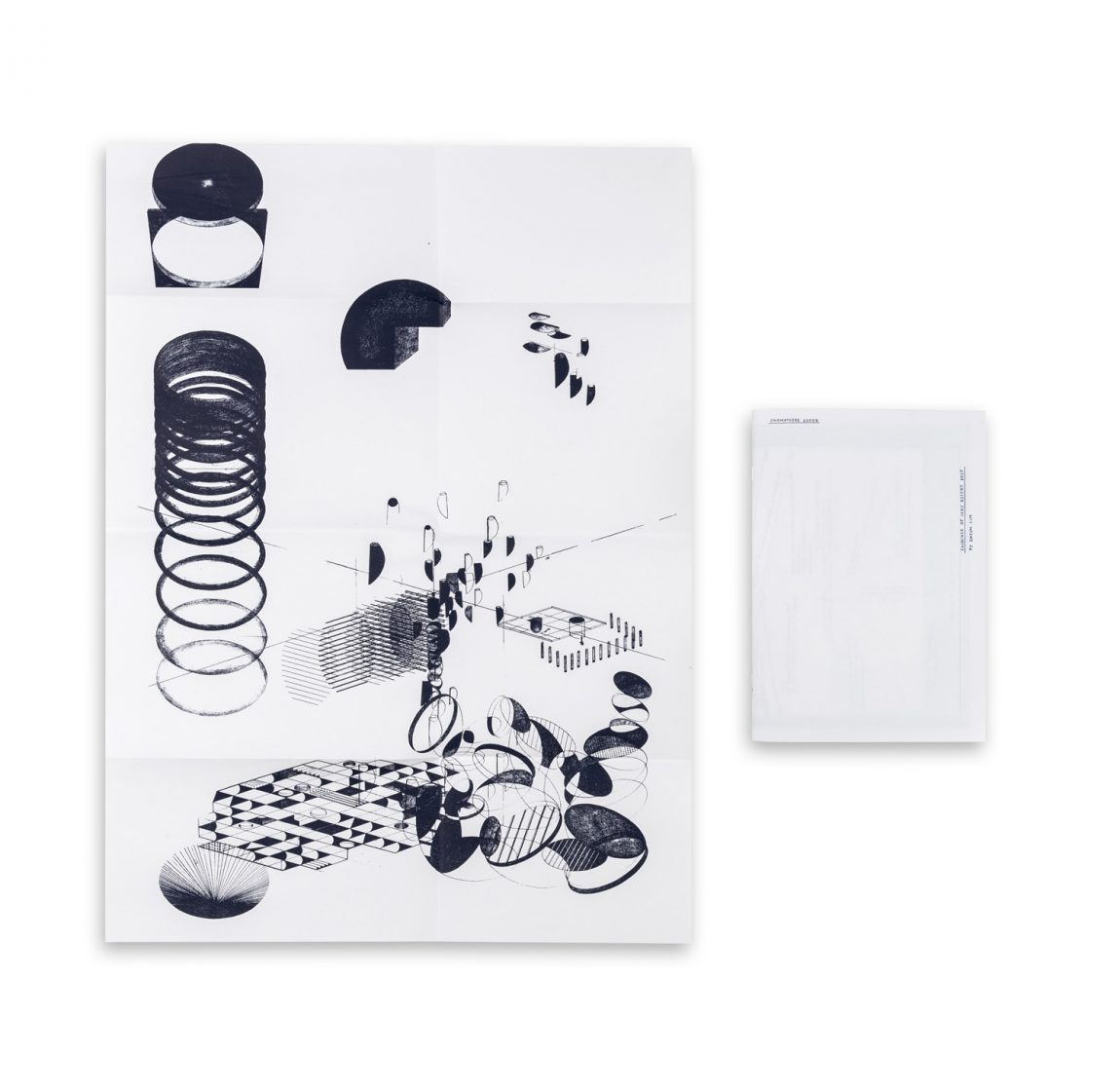
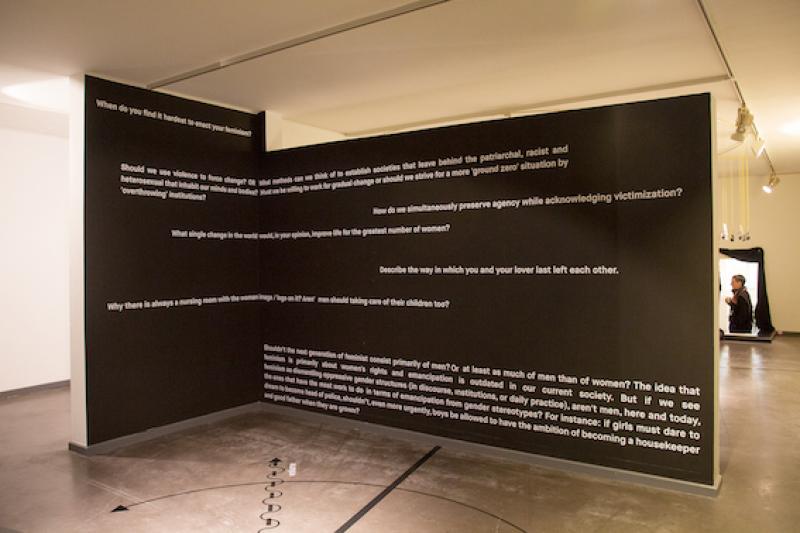
“__________________”
Sense & Sensibility #2 – Gabriel A. Maher, Roberto Pèrez Gayo, Carly Rose Bedford
Hello world!
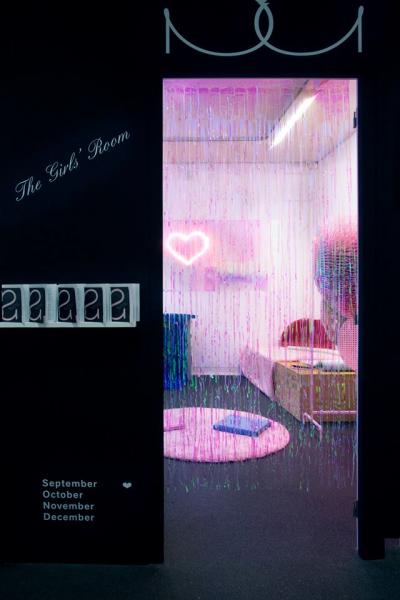
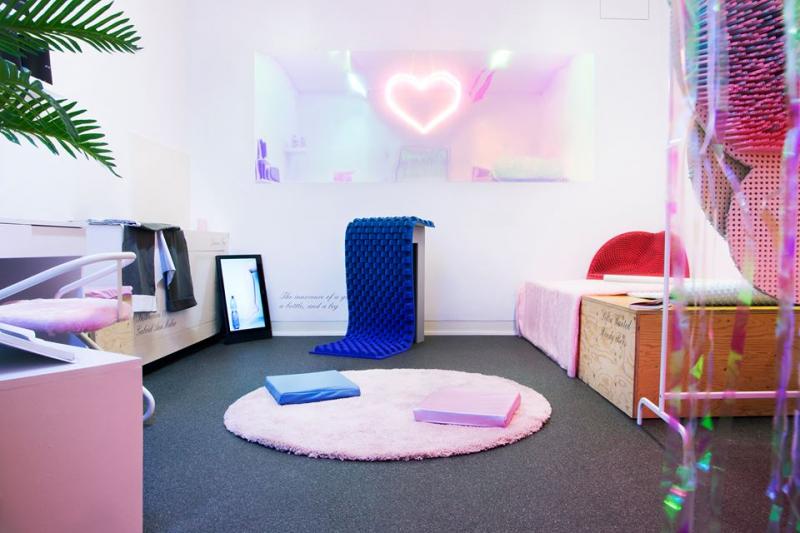
The Girls’ Room
Sense & Sensibility #1 – Mandy Roos
Hello world!
“I read the comments. I shouldn’t have read the comments, why do I read the comments”
Hello world!
view project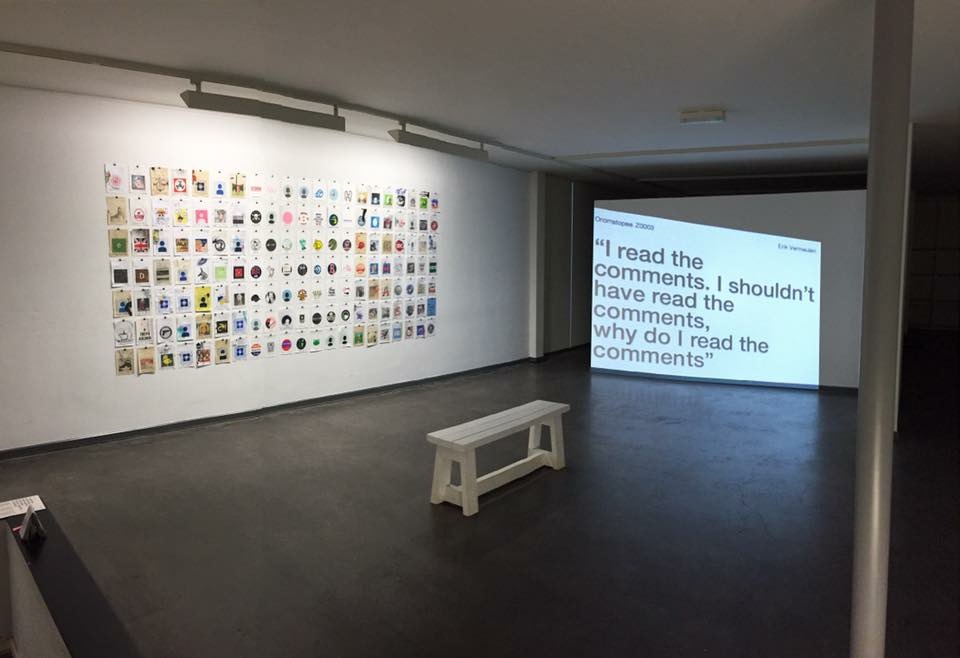
Homestead of Dilution
Marieke van Rooy, Domenico Mangano
view project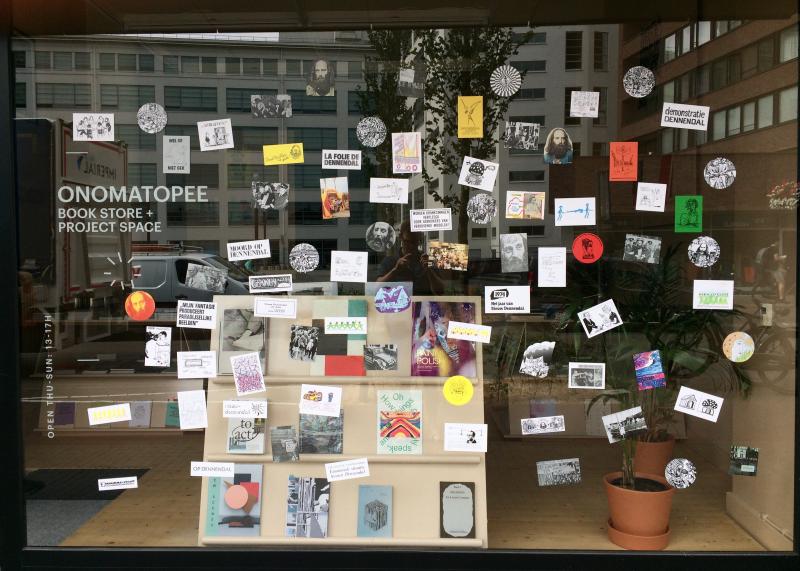
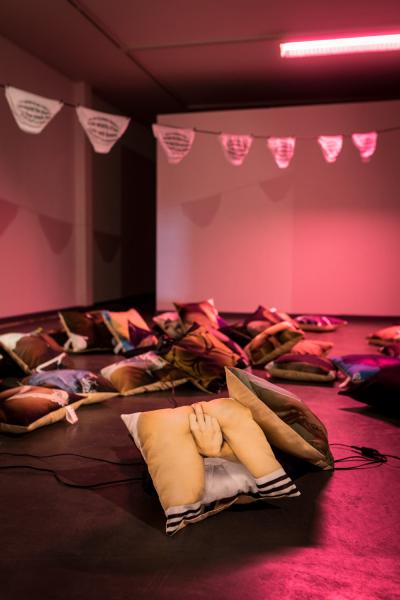
Post-Butt
The power of the image
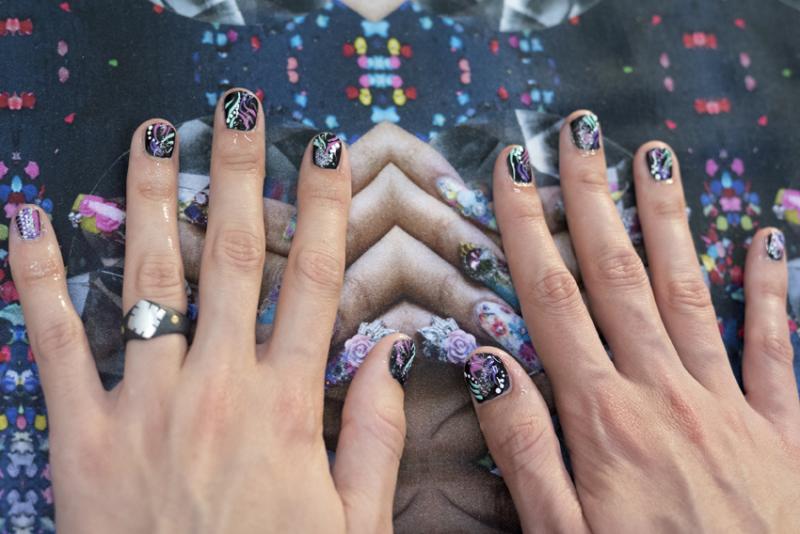
Paint & Polish
Cultural economy & visual culture from the Chicago West-side: a nail art studio and exhibition
Helen Maurene Cooper
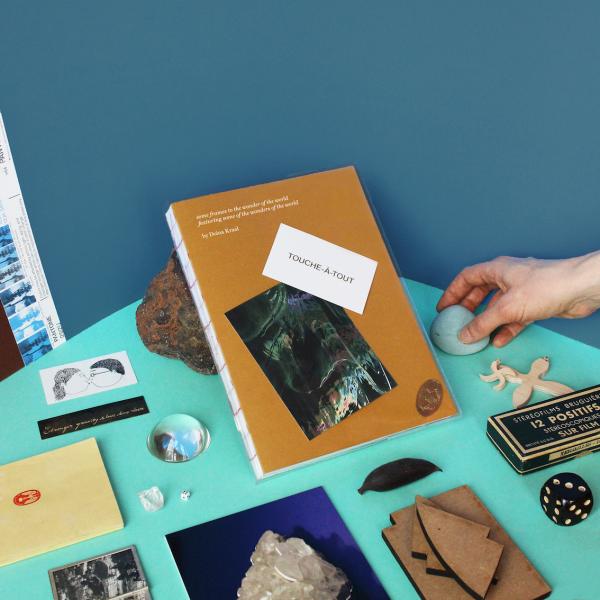
Touche-à-Tout
some frames for the wonder of the world, featuring some of the wonders of the world
Doina Kraal
Out of the Desert of the Real / Into the Desert of the Mind.
Paul Segers
view project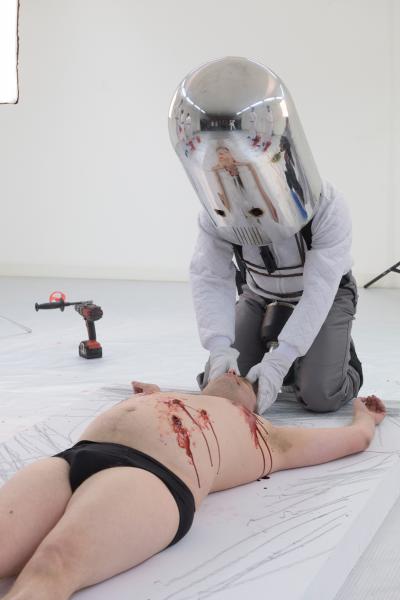
An illustrated guide to capitalism
Hello world!
view projectThat What Makes Us Human
Marjolijn Dijkman
view project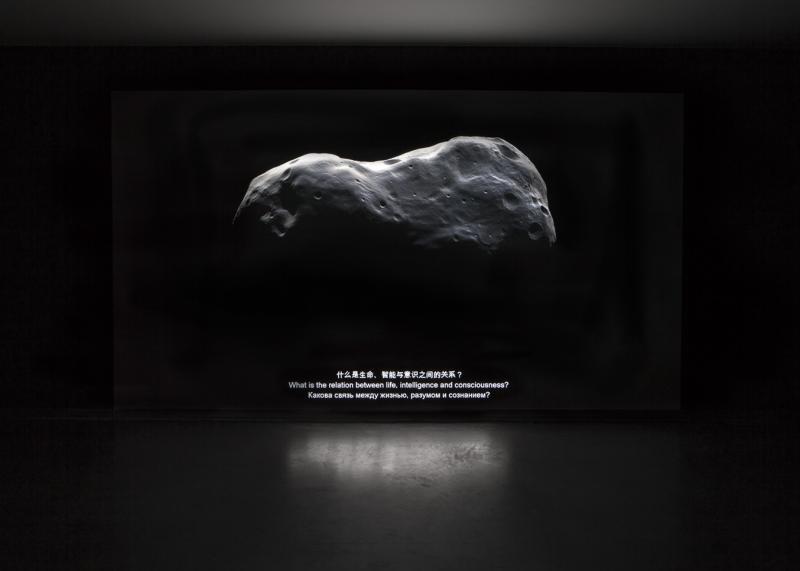
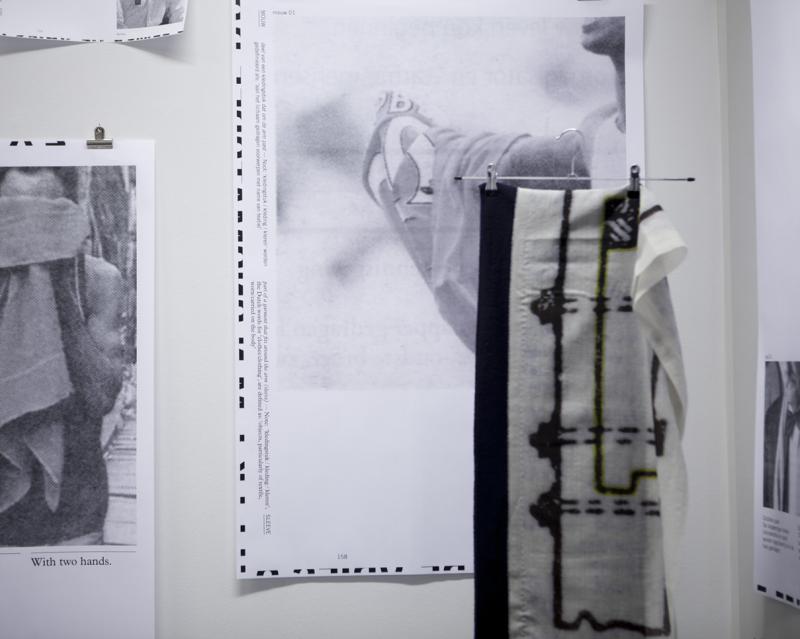
Dictionary Dressings
Re-reading clothing definitions towards alternative fashion perspectives
Femke de Vries
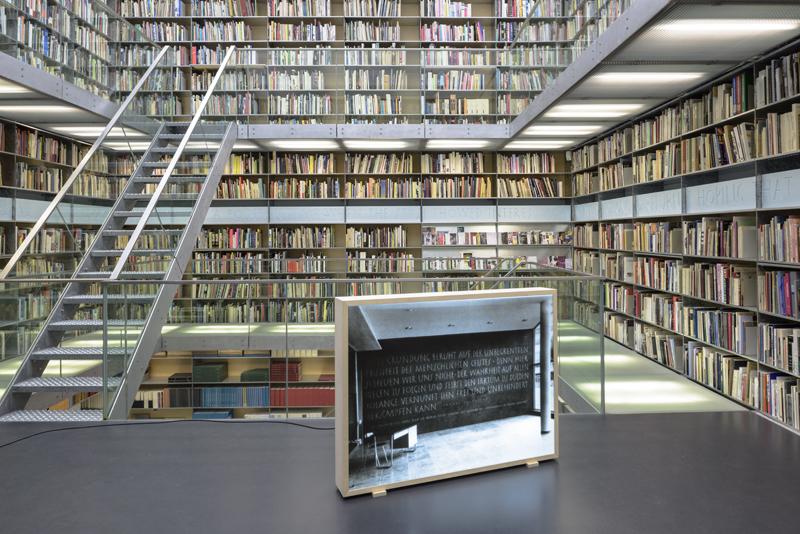
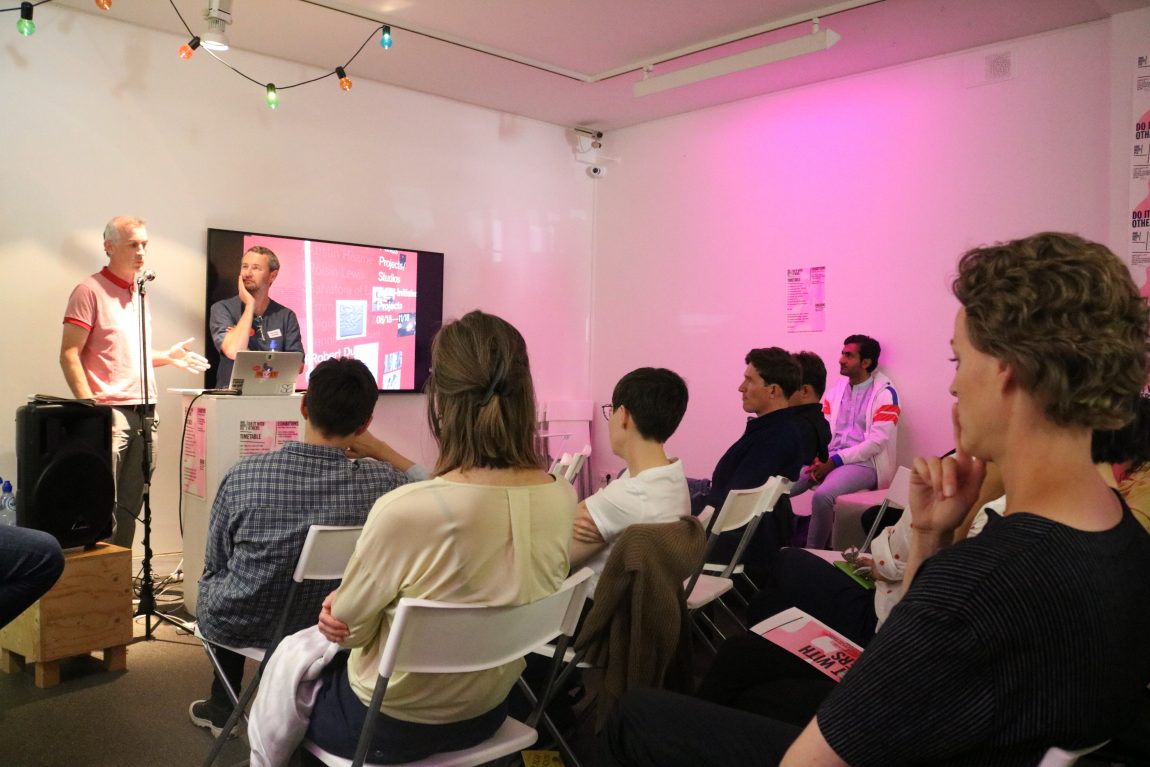
Romanian Vistas: The BB7 Travel Agency
Running up to the Bucharest Biennale 7
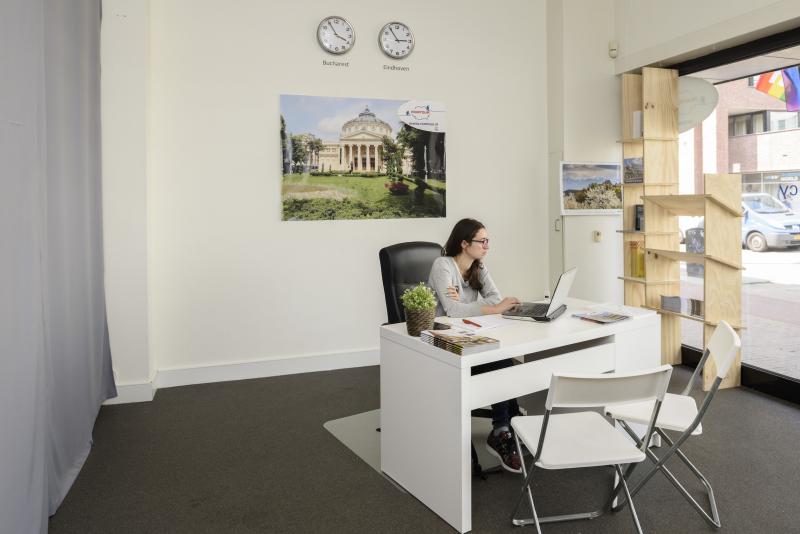
The Bungalow Book Presentation - presentation
view project
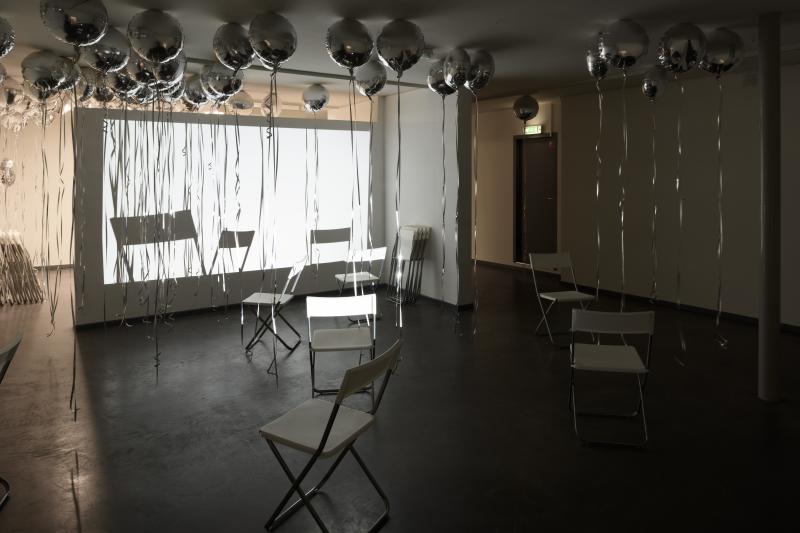
Paper is a leaf that will destroy us in its fall
view project
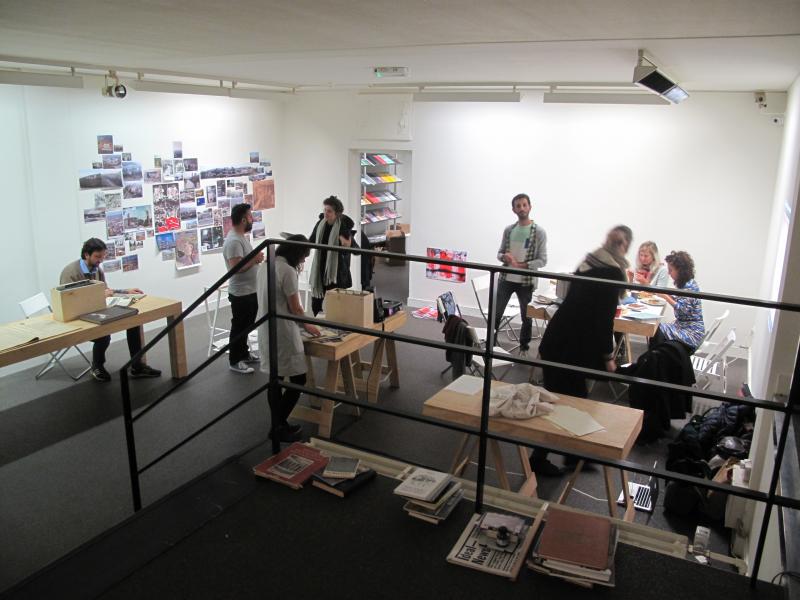
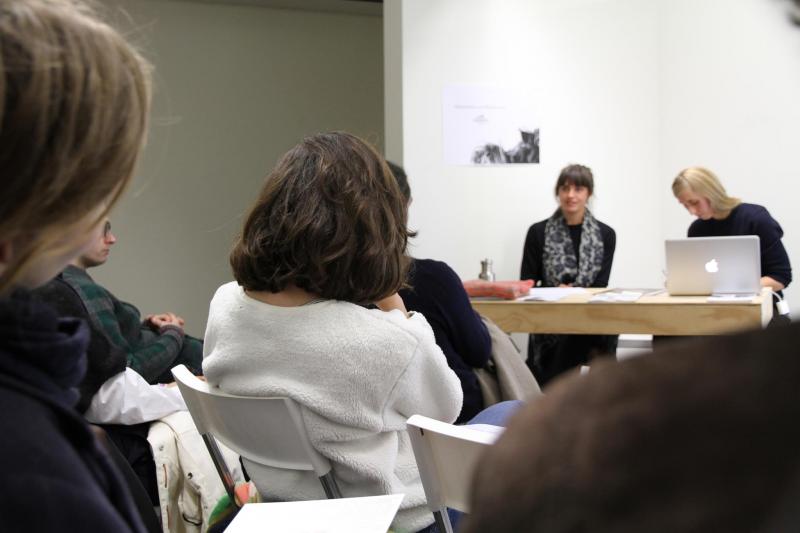
Sidewalk Salon- 1001 Street Chairs of Cairo.
view project
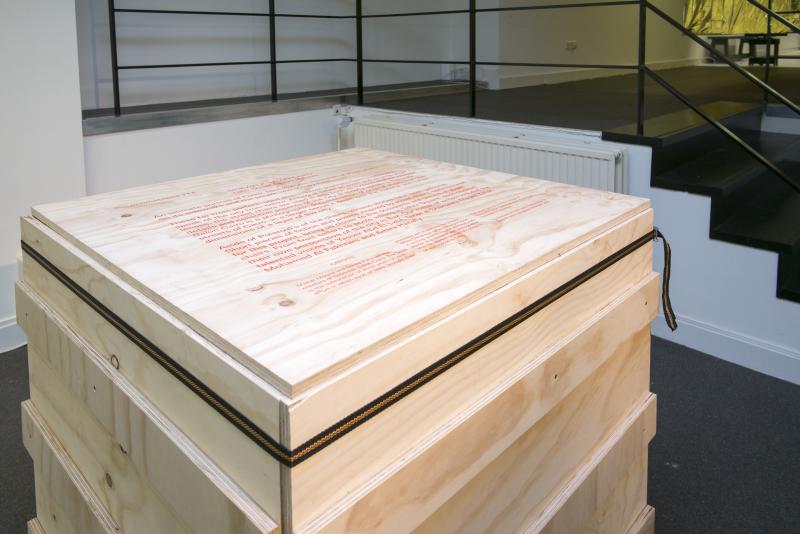
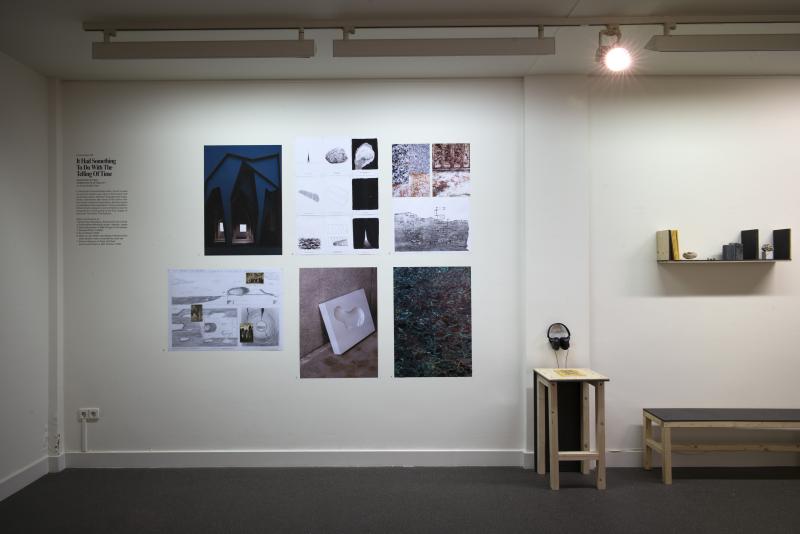
It Had Something To Do With The Telling Of Time
Spaces in fiction - Constructs of reality
Field Essays - Things that Happened. Brynjar Sigurðarson
Field Essays.
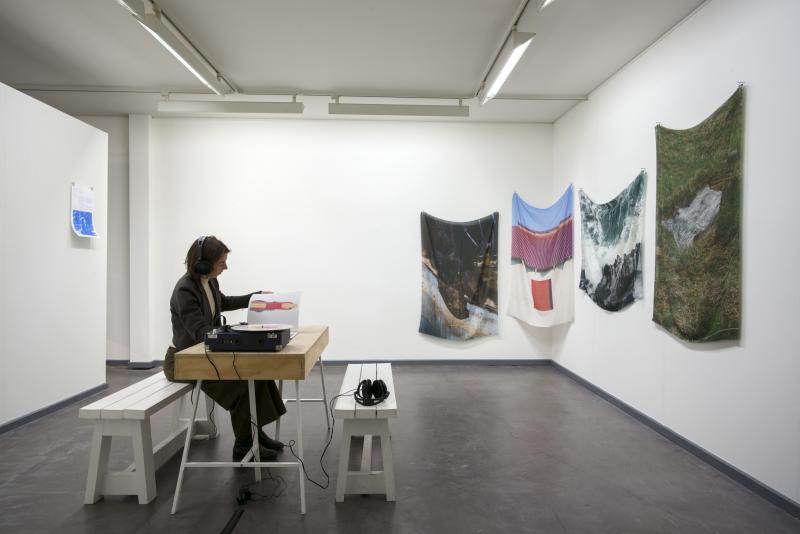
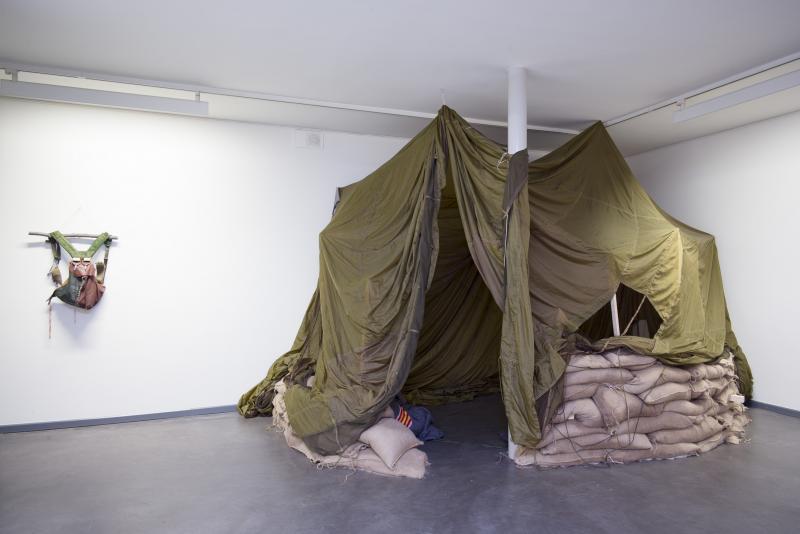
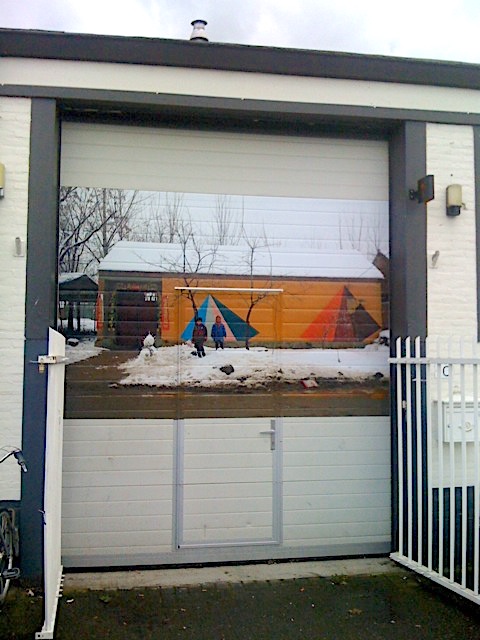
No Internet, No Art
A Lunch Bytes Anthology
Melanie Buehler
21 Objects for Hesitation and Reimagining Their Many Selves
Helen Cho
view project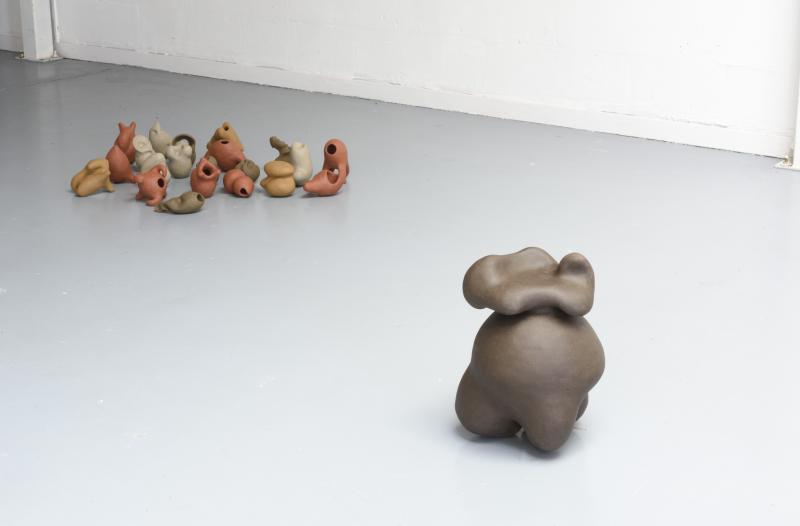
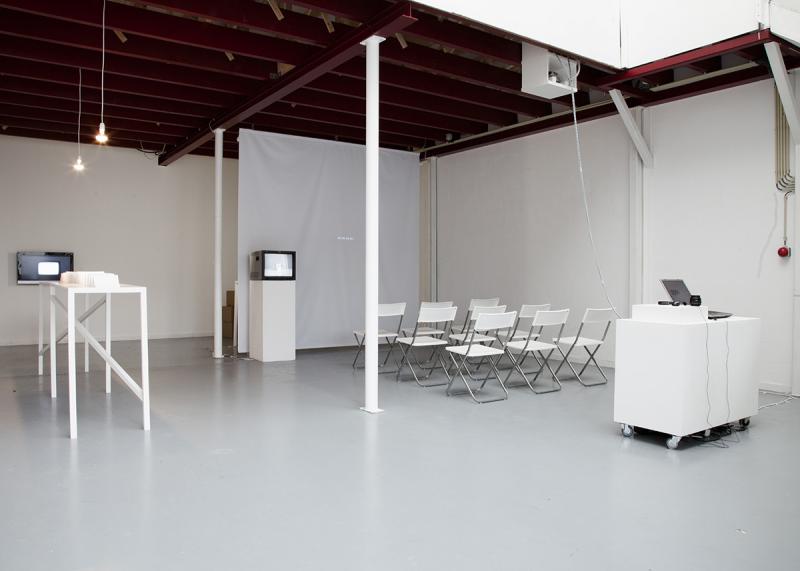
Can You Hear Me?
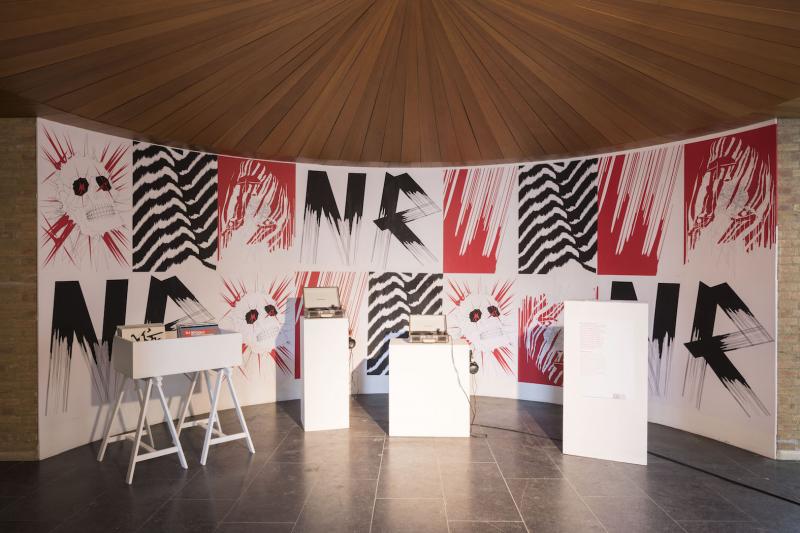
Music Labels by Visual Artists.
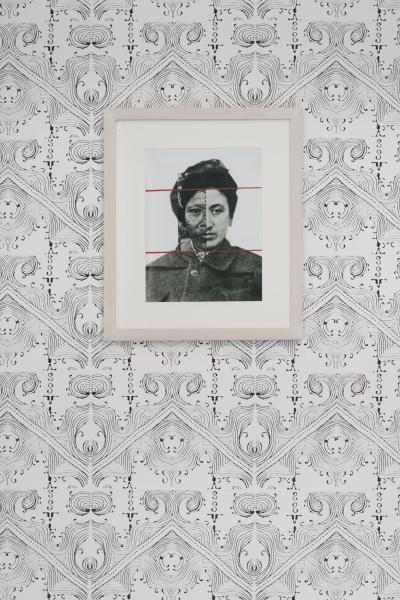
Passings to presents
Silence and golden in the work of Filippo Minelli
Filippo Minelli
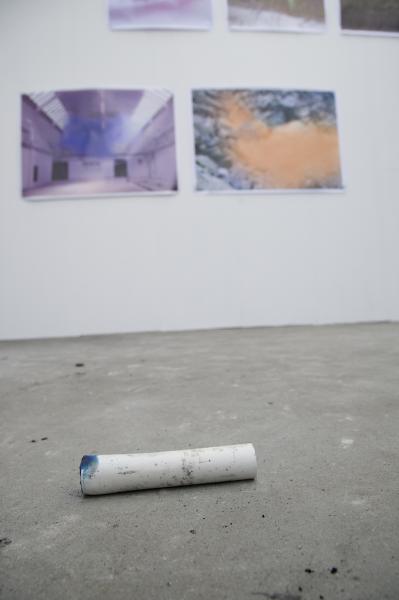
Didn’t Know But Knew It All Along
Aukje Koks
view project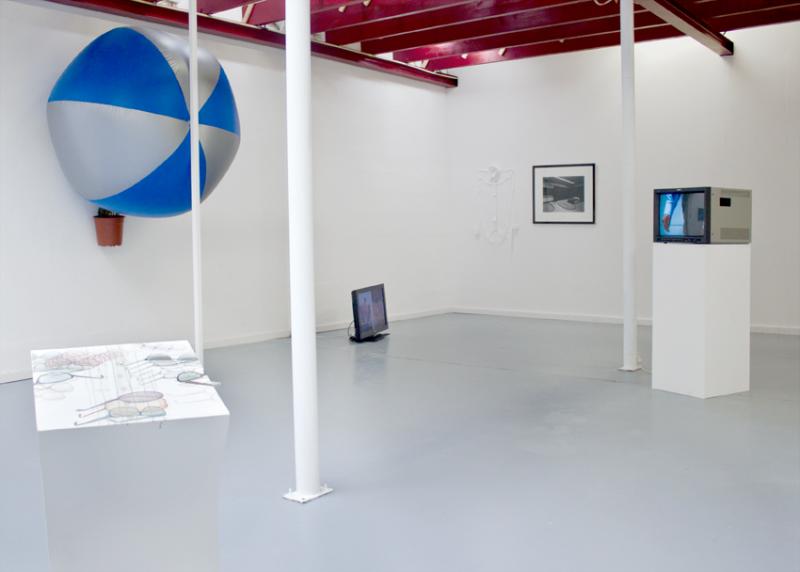
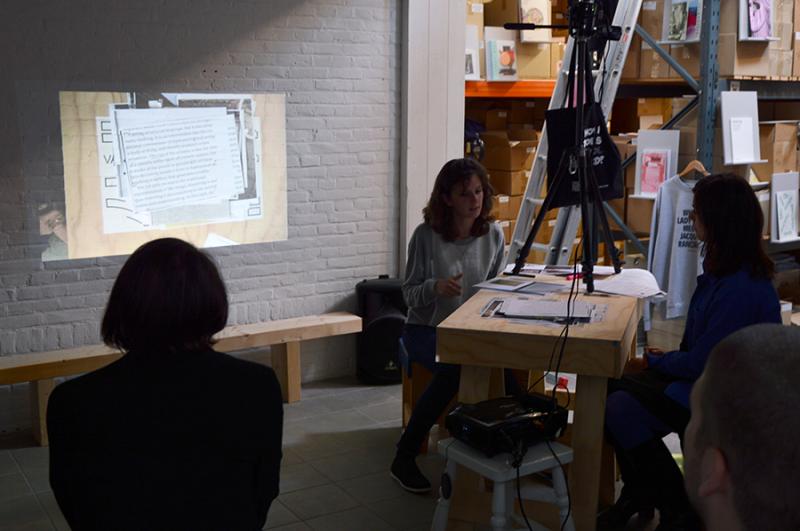
Occupy UBB
A.C.T. DEMOC[K]RACY exhibition in Onomatopee Eindhoven, curated by Altart from Cluj (RO)
Istvan Szakats (curator)
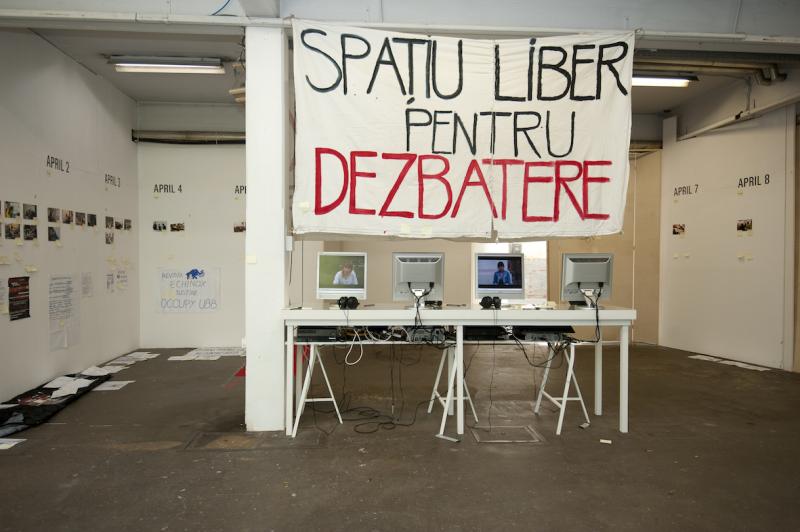
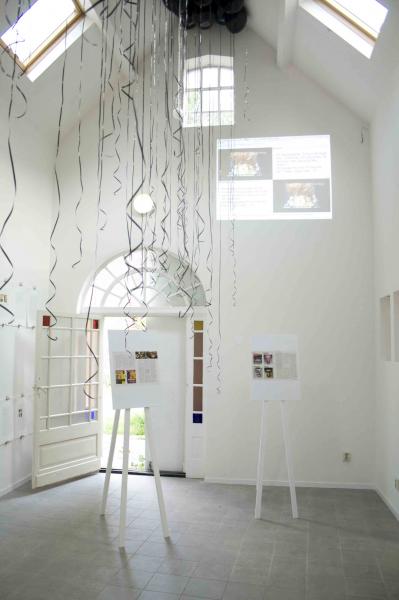
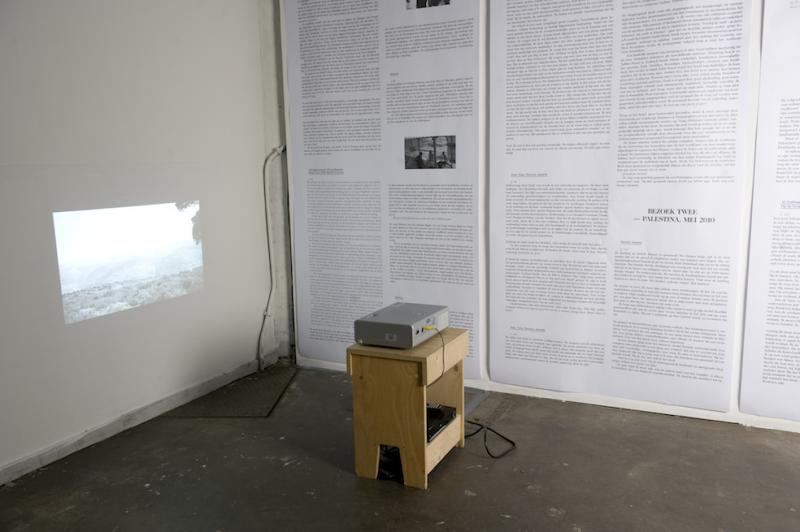
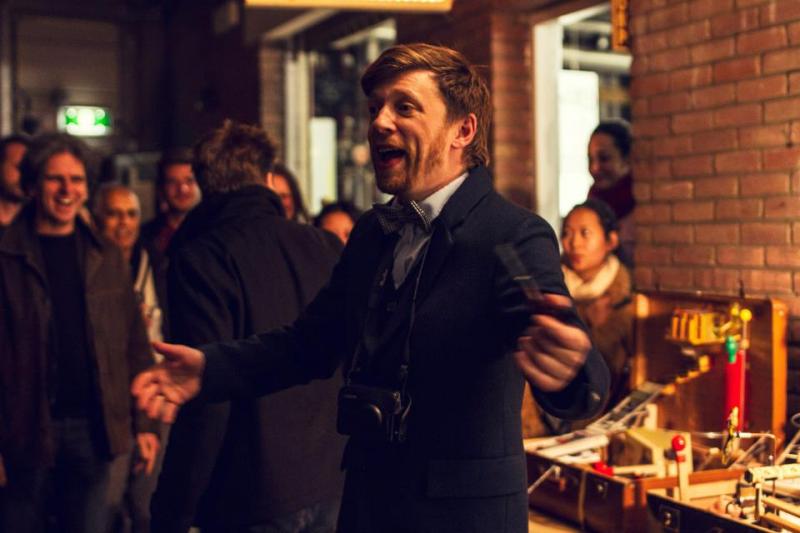
We Can Make It if We Try #3: Household Hacking
view project
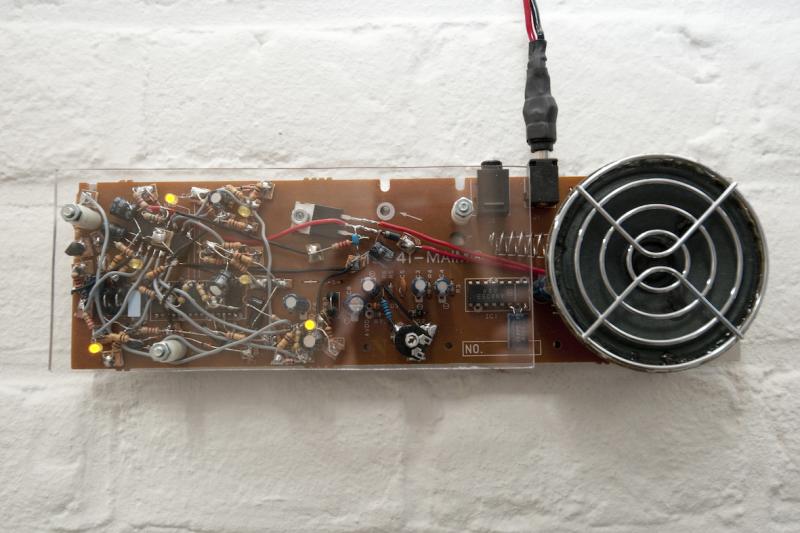
We Can Make It if We Try #4: A Global Facade
view project
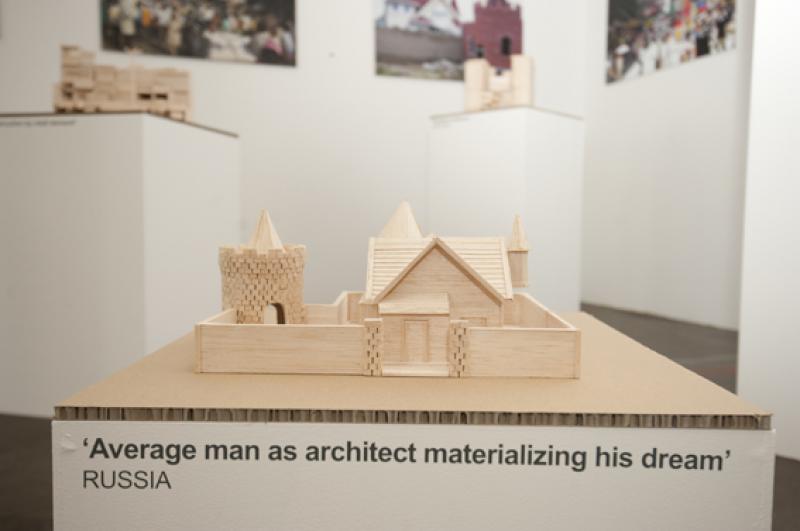
We Can Make It If We Try #2: Domestic Reuse
view project
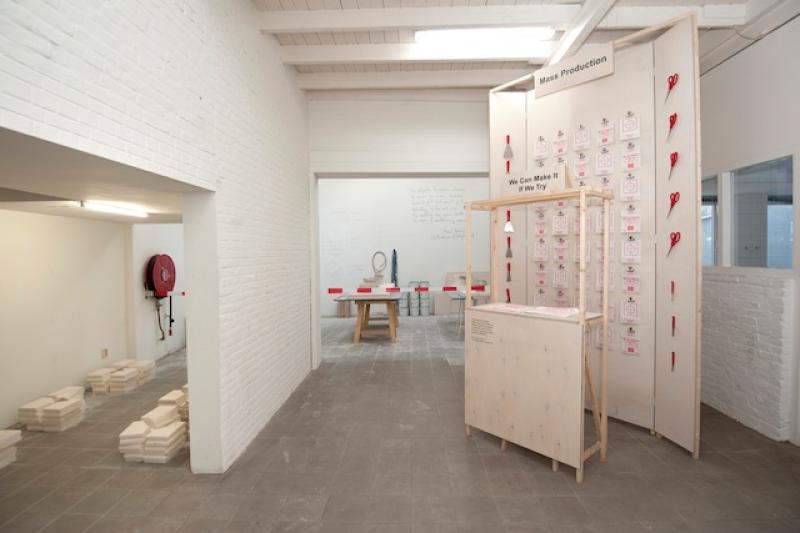
I haven’t been there, but it’s on my list.
Simon Kentgens
view project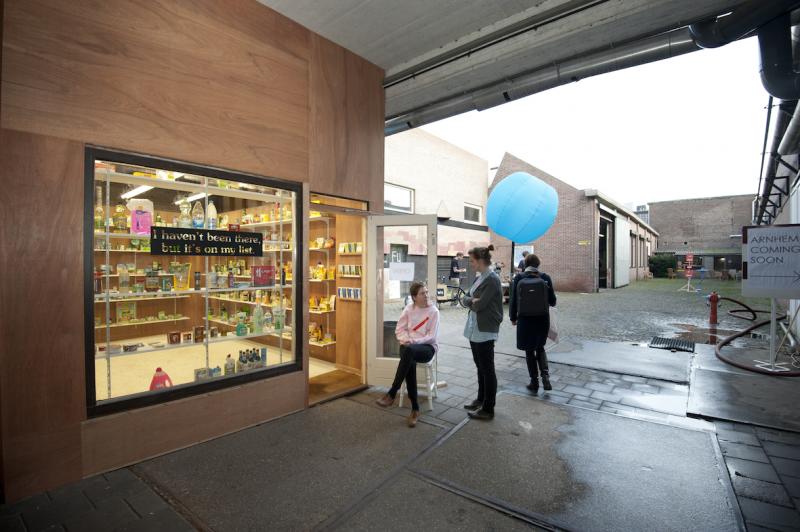
Field Essays - Jonathan Muecke and Bas Princen
The design process unveiled
Atelier Sophie Krier (Ed.)
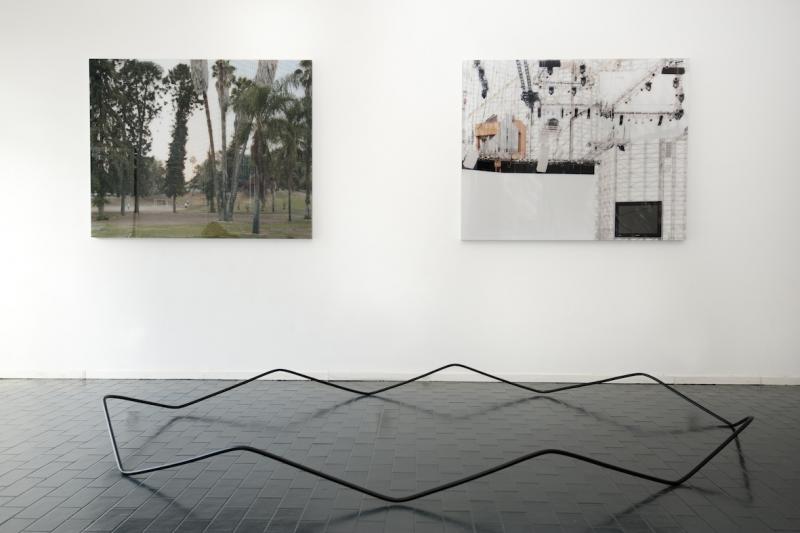
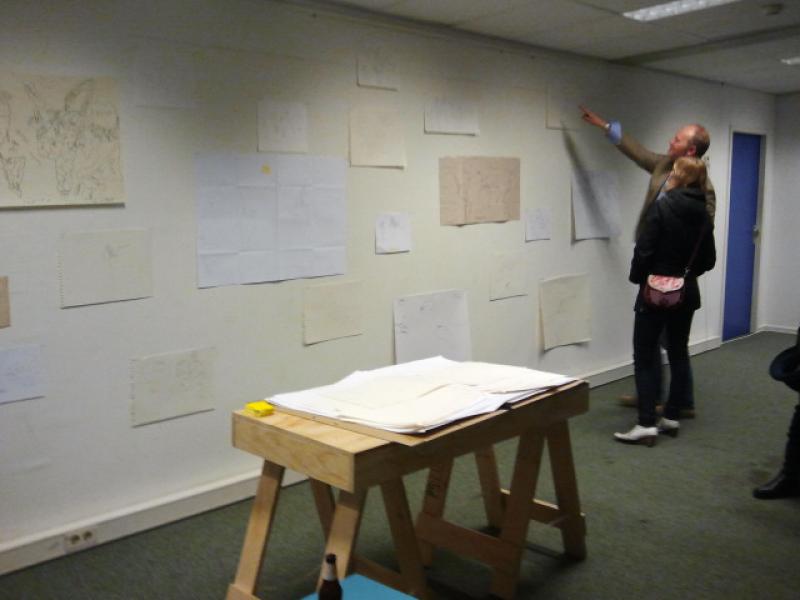
A.C.T. DEMOC[K]RACY
ART COOPERATION TRANSMISSION
We Can Make It If We Try #1: If Only I Were...
view project
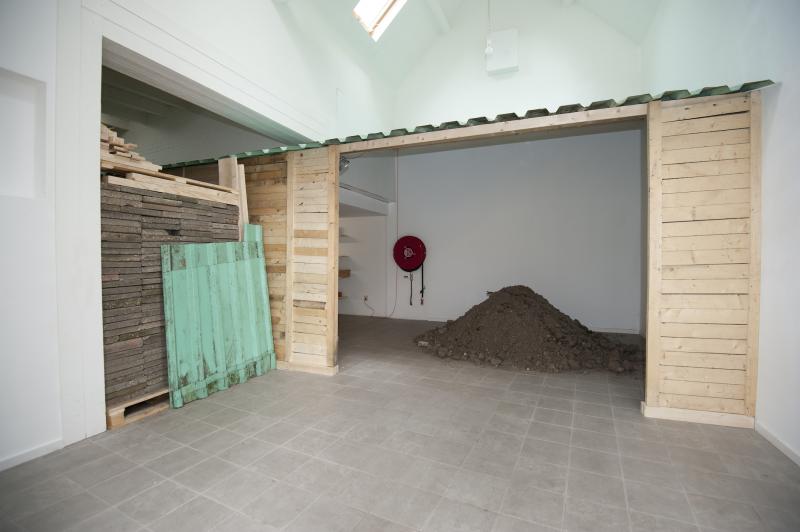
We Can Make It If We Try
Scenarios for design democracy
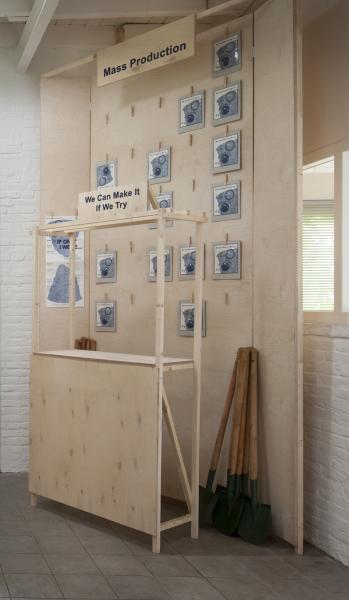
Post-Digital Print
– The Mutation of Publishing Since 1894
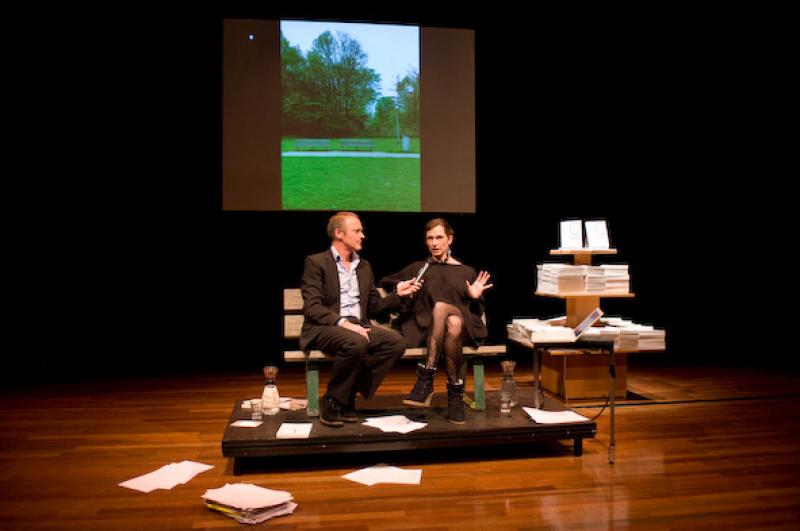
He Disappeared into Complete Silence
Rereading a Single Artwork by Louise Bourgeois
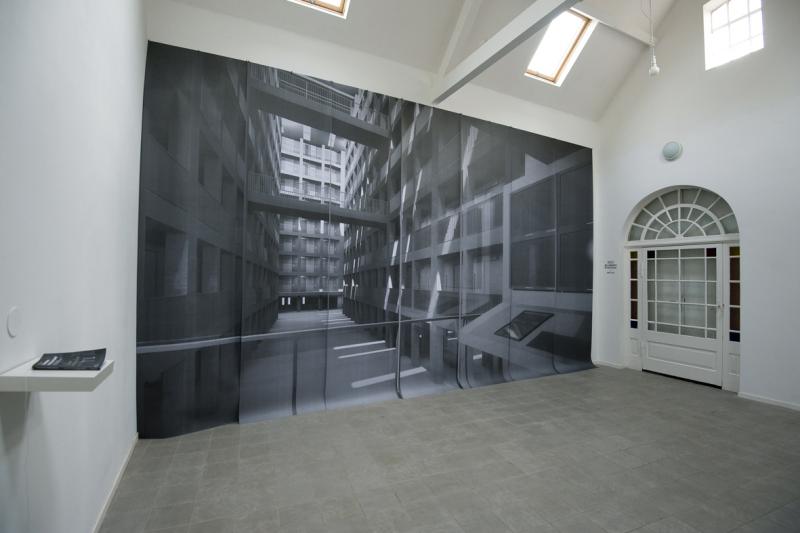
Closed Architecture / Gesloten Architectuur
Art, property of politics III
‘How things genuinely speak and sing...’
view project
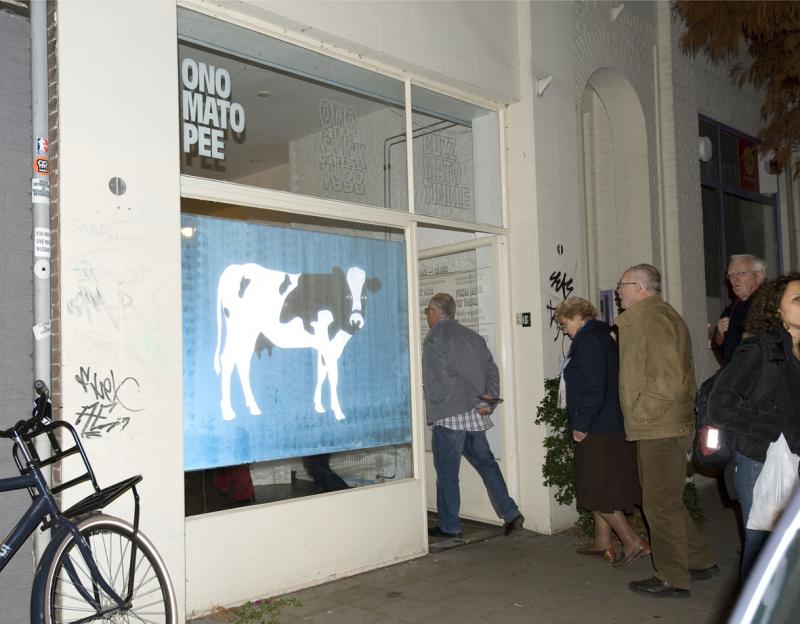
At how many lux… ?
When individuals encounter ’the system’
Hello world!
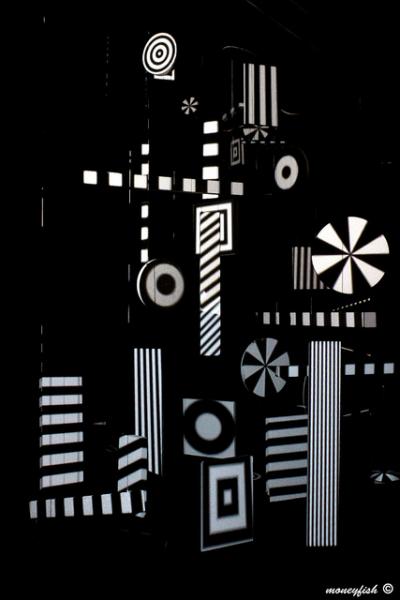
Act / OUT
A call for contact, a call for a clash
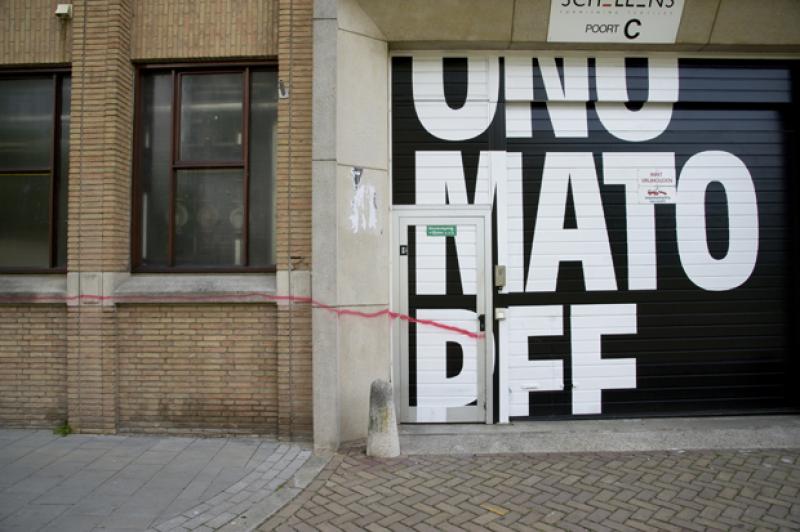
The Destructive Character / Het Destructieve Karakter
view project
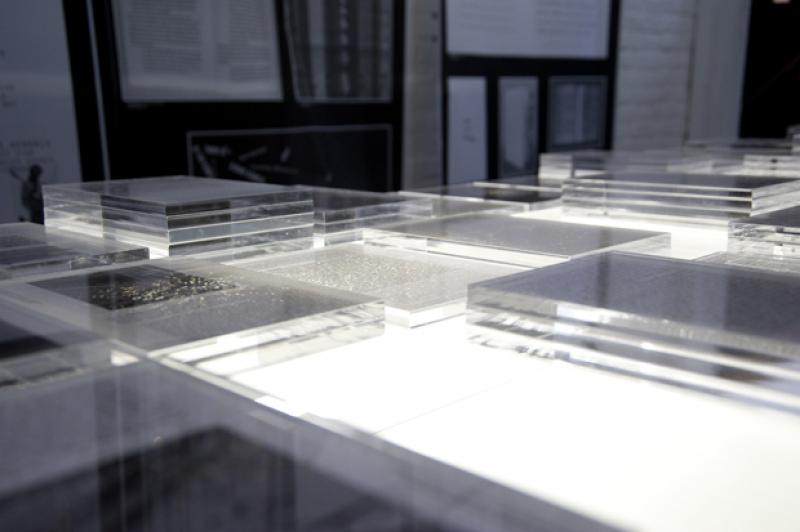
Ourhouse
+ Book A/MEGACOLON/For and Against Language
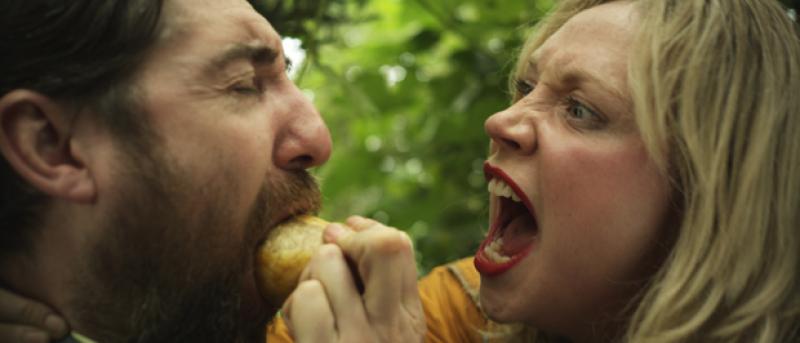
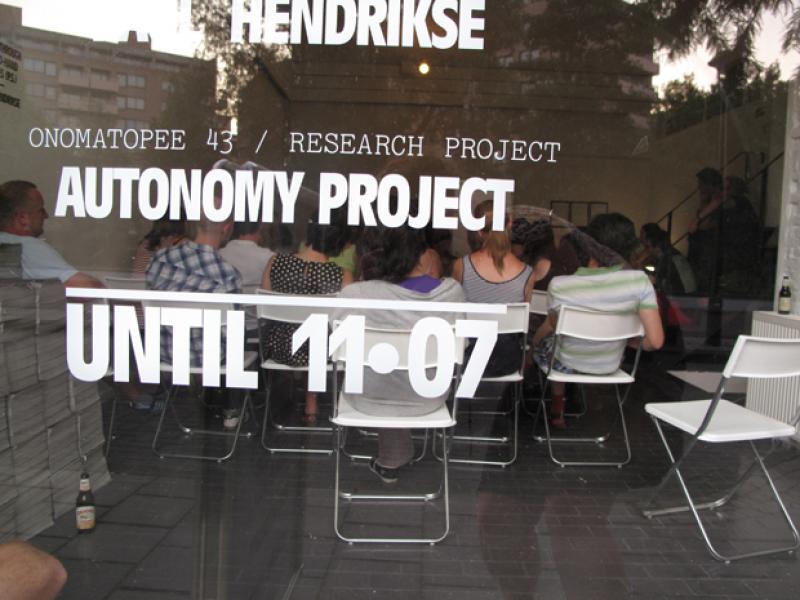
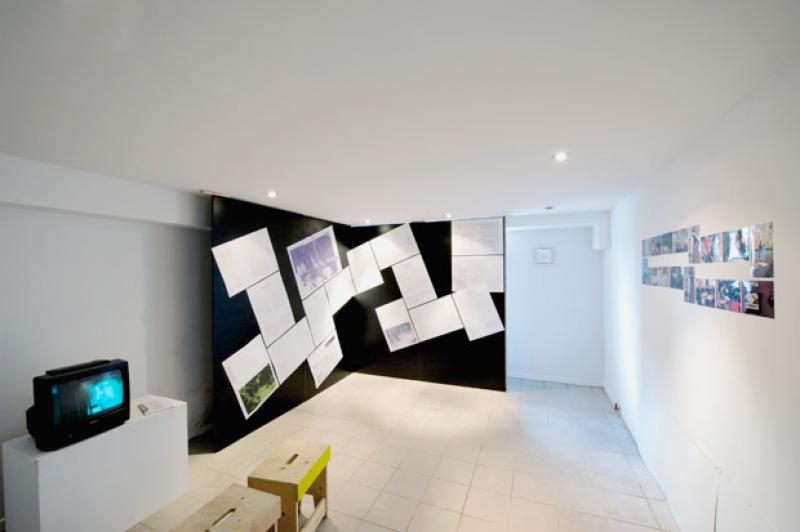
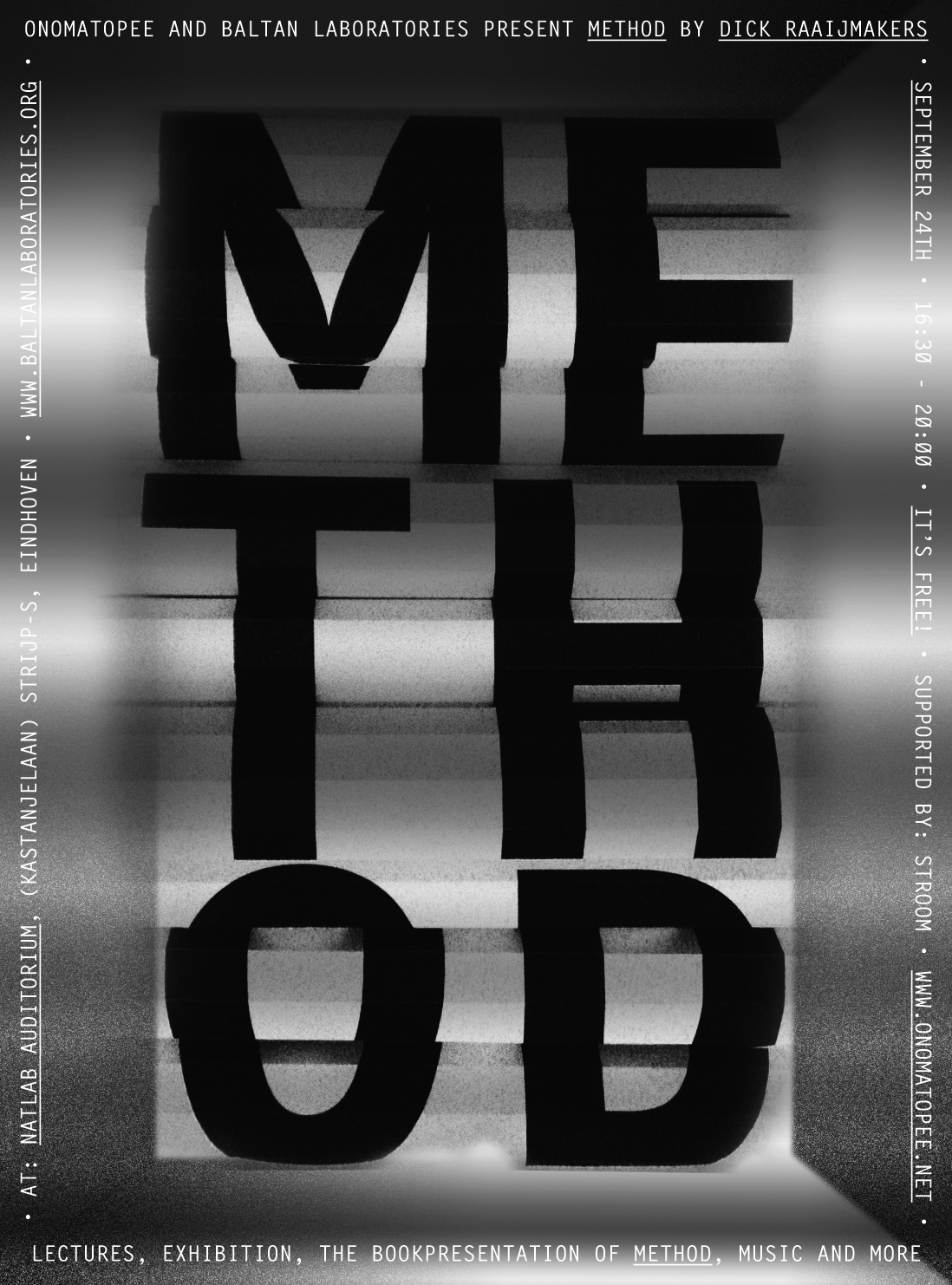
The Autonomy Project
redefining autonomy in contemporary art
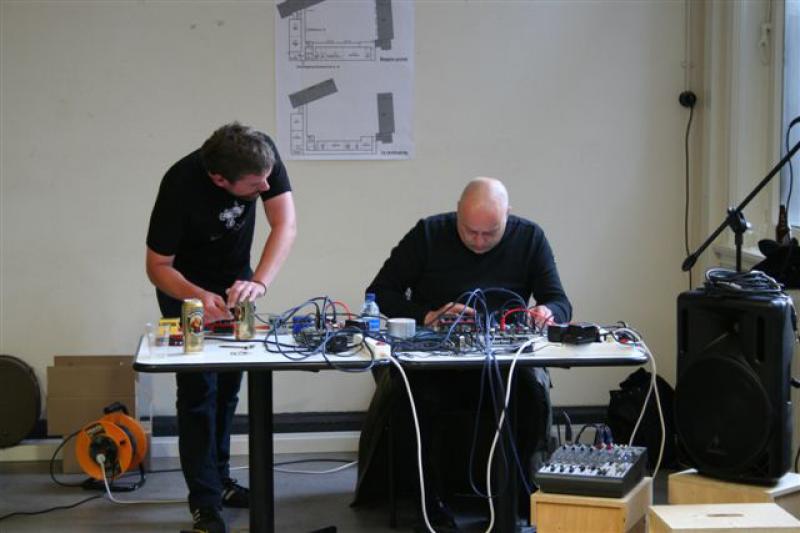
PIPTSJILLING
The audio-equivalent of a Frisian landscape
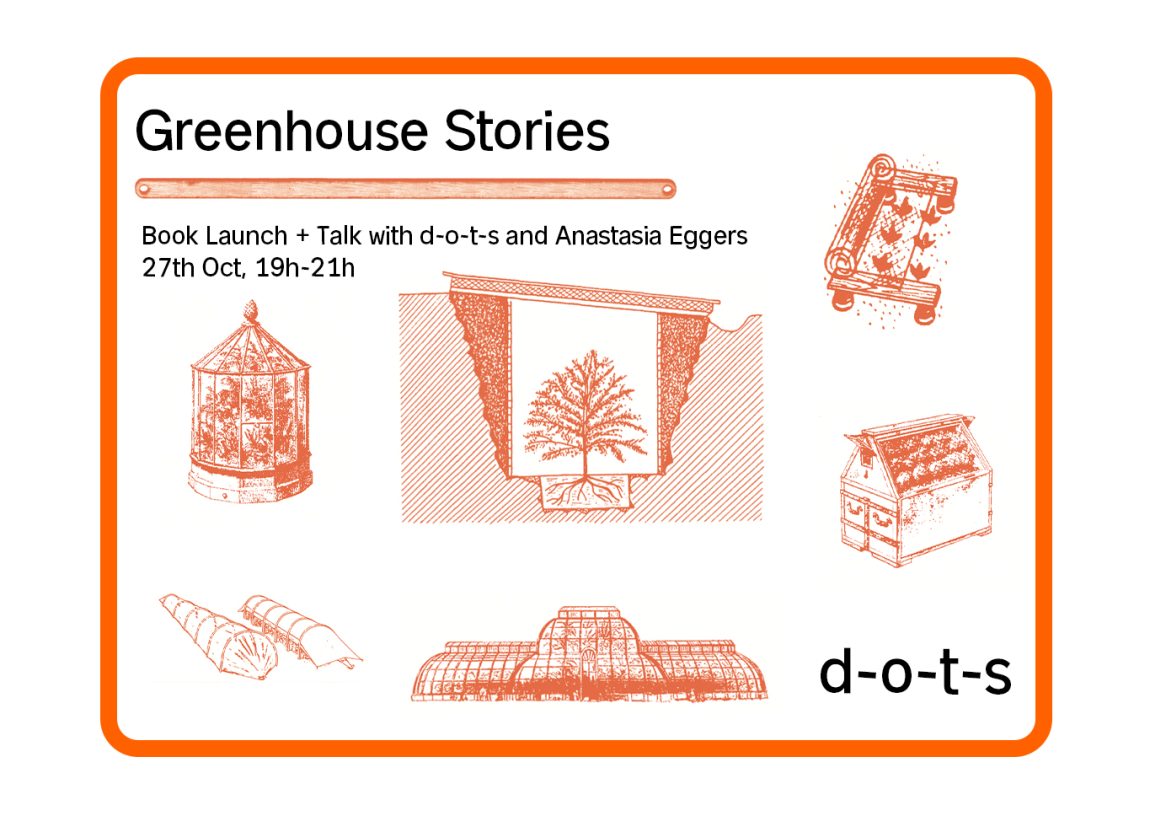
Book Launch "Greenhouse Stories" by d-o-t-s
A Critical Re-examination of Transparent Microcosms
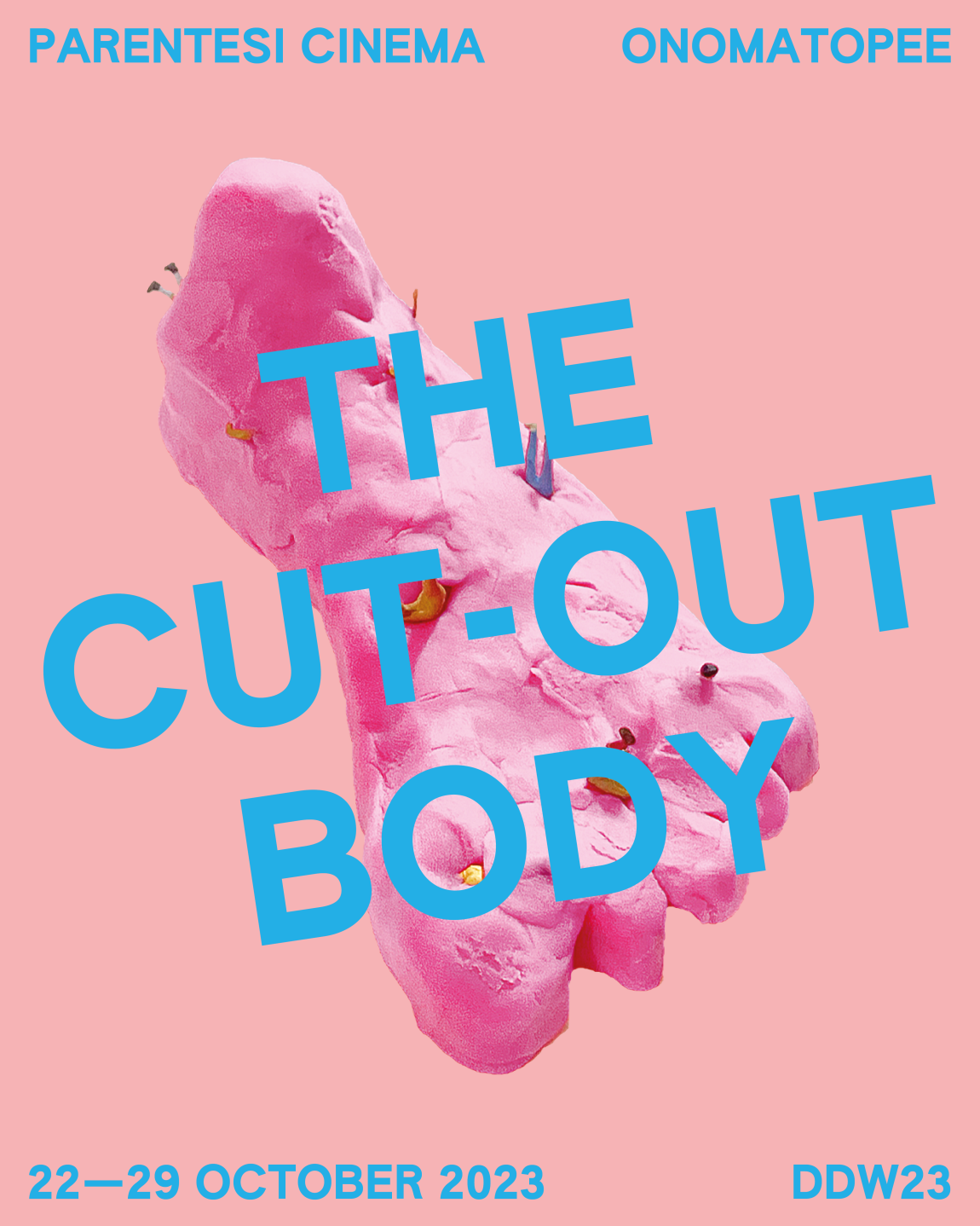
ITS (IM)POSSIBLE FORMATION Finissage & Book Launch
You are invited to join the exhibition's finissage, book launch, talk & performance
Folklore & Critical Research
A Tree, with a Bird, by a Woman, on Land, Under a Star, is a recipe or a spell with exit points that become chapters and grow into their own ecology of stories and actors
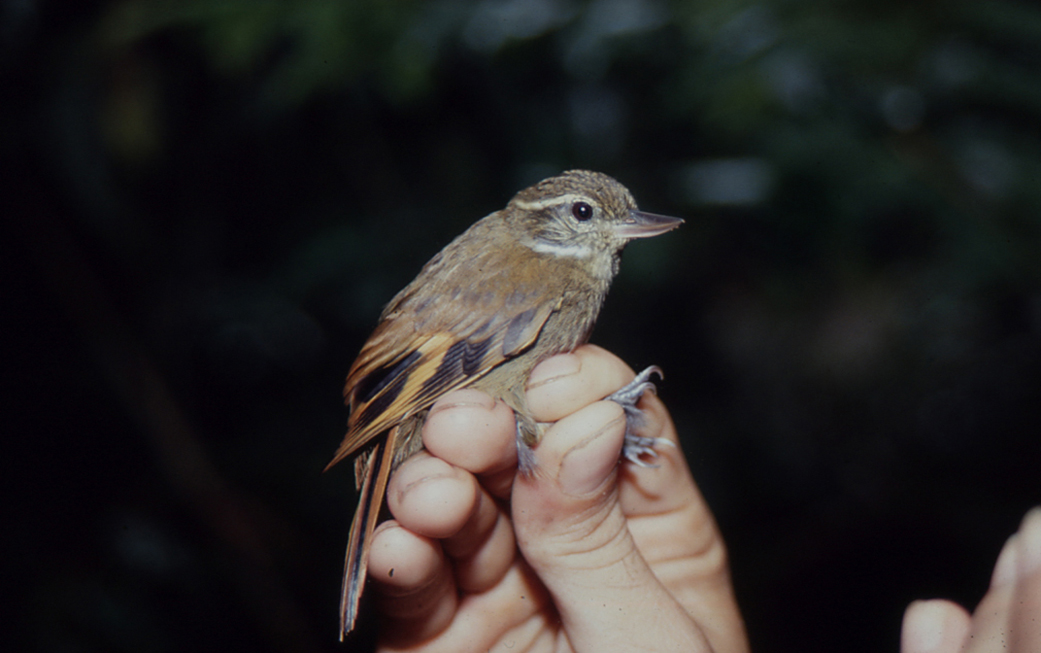
RISO Workshops
Join our RISO Masterclass and become a Riso printer yourself.
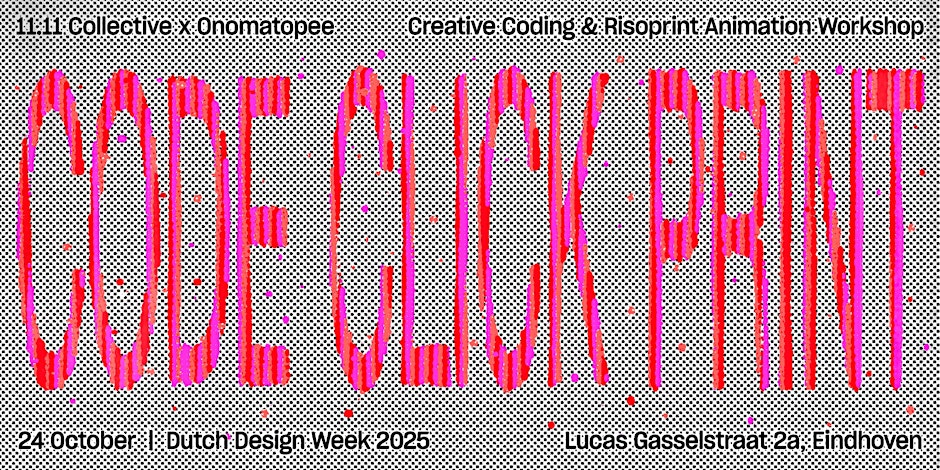
Book Presentations
Join us for engaging book presentations as Onomatopee presents its latest titles!